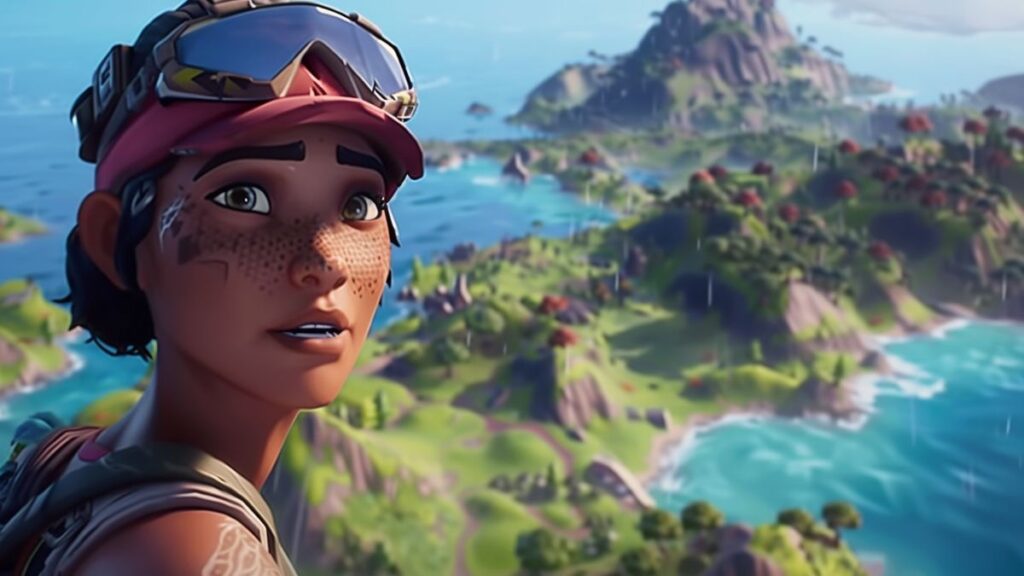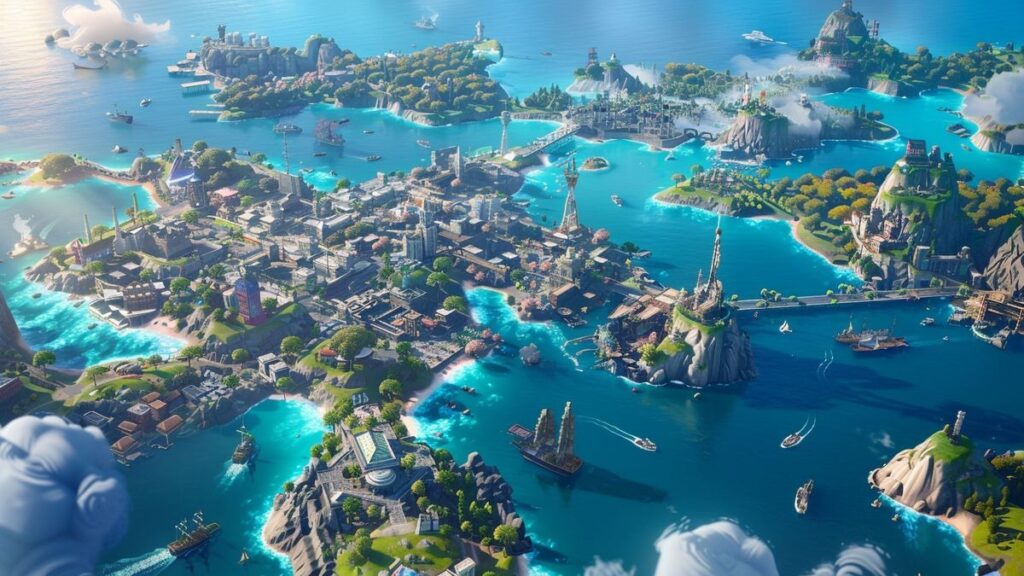
A new Fortnite experience is leaning into GTA-inspired gameplay without copying any specific story, characters, or assets. Think open-world mischief, street-level missions, and that familiar crime-sandbox vibe, reworked inside Fortnite’s toolset and safety rails. It’s a bold pitch, and yes, it knows exactly what it’s referencing. No coy winks.
The hook is simple: cars, chases, and chaos, paired with roleplay-friendly systems and mission loops that fit short sessions. I’ll say it plainly: players have been asking for a more grounded city sandbox in Fortnite, and creators are answering in their own words, with their own designs.
What matters is how it lands: a clear identity, clean boundaries, and gameplay that feels earned. If the map nails urban movement and vehicular play while keeping community guidelines front and center, this could be the start of a new lane for Fortnite Creative.
What does “GTA-inspired” really mean inside Fortnite UEFN?
When players say a map is GTA-inspired inside Fortnite, they’re usually talking about a specific mix: an *open-city layout*, missions that feel *street-level*, and a loop built around *choices* rather than a single battle bus drop. In the UEFN era, creators can stage “crime-drama” beats without copying any protected characters, storylines, logos, or recognizable lines. That distinction matters legally and creatively. You can borrow the genre language—the idea of a living city, cops-and-robbers tension, getaway driving, heists, job boards, black-market vibes—while keeping the writing, names, map geometry, and visual identity clearly original.
In practice, the new wave of roleplay Fortnite islands tends to lean on systems that GTA players recognize in spirit, not in specifics: earning cash, buying upgrades, switching “jobs”, and managing heat or consequences. I’ve tested early UEFN city builds where the fun comes from small routines—running deliveries, upgrading a garage, hustling for better wheels—then suddenly everything flips into a chase because someone got greedy. That’s the part that feels familiar. What’s different in Fortnite Creative is the tone control: creators can keep it teen-friendly and PG, focusing on *cartoon action* and *gamey consequences* instead of realism. If you’re worried about IP and copyright, the clean line is this: inspiration is a vibe; copying recognizable assets or story beats beat-for-beat is where people get burned.
And yeah, people ask whether Epic allows it. Epic’s ecosystem still expects creators to follow policy: no ripped music, no trademarked branding, no impersonation, clear disclosures, and age-appropriate choices. So the smart creators build their own city identity—original signage, custom factions, fresh mission text—while leaning into the open-world crime sandbox feel players are obviously craving right now.
Legality check, plain English : A creator can make an open-world city mode with *heists*, *cops gameplay*, and *getaway driving* — but must avoid any *copied characters, exact mission scripts, logos, or audio* tied to another franchise.
Which features will make it feel like GTA without copying?

The maps that “boldly embrace their roots” usually do it through systems, not surface-level references. If the upcoming GTA-flavored Fortnite experience is aiming for longevity, it’ll rely on *repeatable jobs*, *progression loops*, and *social friction*—the kind you get when one player wants peace and another wants trouble. A strong Fortnite UEFN city tends to include a cash economy (balanced, not pay-to-win), a reason to drive (deliveries, races, escapes), and readable rules so newcomers don’t bounce in ten minutes. You’ll also see creators pay attention to spawn safety and *anti-griefing design*, because nothing kills roleplay faster than nonstop spawn camping.
To capture the GTA vibe while staying clean on copyright, the best approach is building fresh “city culture”: original radio-style music (or no music), new factions with their own colors, and mission text written from scratch. Even the map silhouette matters. If a city’s districts mirror an existing real-world-inspired game map too closely, players notice, and that’s just asking for trouble. Smart creators pull from multiple references—real cities, classic action movies, comic-book themes—then remix it into something that stands on its own.
- Job-based loops : taxi, courier, security, repo, tow, bounty, each with *clear payouts*
- Heat and consequence : a *wanted meter* or alert state that nudges players to hide, bribe, or escape
- Vehicle progression : garages, tuning tiers, insurance timers, and *repair costs* to curb chaos
- Heist-style missions : multi-step objectives with *team roles* and timed escapes
- Roleplay tools : emote prompts, quick chat, safe zones, and *server rules posted in-map*
How will driving, heists, and police play work in Fortnite?
Driving is where a GTA-like mode either clicks or collapses. Fortnite vehicles already feel arcadey, so a creator chasing a GTA-inspired driving loop will likely lean into readability: wide lanes, clean sightlines, and predictable ramps instead of messy traffic puzzles. With UEFN, you can script checkpoints, timers, payouts, and “hot” zones—so the city becomes more than scenery. A good sign is when the island gives drivers meaningful decisions: do you take the highway for speed, or the alleys to break line-of-sight? Do you risk the bridge choke point, or swing around for a longer route and keep your cash safe?
Heists in Fortnite Creative usually work best when they’re modular. Think: breach a back door, grab an item, escape to a drop spot, then launder or bank the money. That structure is original enough to be safe, and it’s friendly to matchmaking chaos because anyone can understand it fast. The “cops” side is tricky, because creators need to avoid anything that feels like harassment or targeted behavior. The clean design is asymmetric gameplay where roles are opt-in: players choose to be law enforcement, security, or criminals, with balanced tools and boundaries. If the island supports *non-lethal mechanics*—stuns, trackers, temporary locks—it can keep the tone within Fortnite’s ratings while still delivering tension.
I’ve seen city maps where the best moments happen from simple systems: a player grabs a high-value package, the map pings them, and suddenly three cars are tailing them through neon streets. No edgy writing needed, no borrowed story. Just emergent gameplay, clean UI, and a city that rewards smart routes. That’s the lane where a GTA-leaning Fortnite mode can thrive: high energy, readable stakes, and short, replayable arcs that feel fresh every match.
What should players watch for before jumping into this mode?

Before you queue into any GTA-inspired Fortnite island, look for signals that the creator cares about stability and fair play. City modes can be heavy on memory, scripts, and NPC logic, so performance matters. If the island stutters, vehicles rubber-band, or objectives don’t track consistently, the “roleplay fantasy” breaks fast. Also check how the map communicates rules. The best experiences post them clearly: what counts as griefing, how arrests work (if they exist), how cash is earned, what happens on respawn, and where safe zones are. That’s not boring admin stuff; it’s what keeps the lobby from turning into noise.
On the safety side, keep expectations grounded. Fortnite is still Fortnite. Some players want deep RP, others just want chases and chaos. The best creators plan for that tension with systems that contain it: protected spawn areas, cooldowns on high-impact weapons, and incentives to do jobs rather than camp hot spots. If the island includes voice-heavy RP, it should also provide *mute-friendly* ways to play—pings, UI prompts, text callouts—so accessibility doesn’t get ignored. And yes, if the map markets itself with “GTA” in the title or uses lookalike branding, that’s a red flag. A smart creator sells the idea with original naming, clear tags, and a clean identity.
Real talk: when a city mode is done right, you feel it in the first five minutes. You spawn, you immediately see where to get a ride, you understand how to earn money, and you’ve got a reason to care. When it’s sloppy, you spend your whole session asking “what am I supposed to do?”. So keep an eye on mission clarity, *anti-grief structure*, and the overall tone. If it stays light, readable, and fair, it usually sticks.
How can creators embrace the vibe and stay copyright-safe?
Creators can channel the GTA-inspired energy by focusing on mechanics and original worldbuilding, not references. The practical checklist is straightforward: build your own city layout, write your own mission copy, create your own factions, and avoid using any trademarked names, logos, or recognizable quotes. Even “wink-wink” parody can be risky if it’s too direct, so the safer move is broad genre inspiration—*crime sandbox*, *cop drama*, *street racing*—with a distinct art direction. Fortnite’s toolset makes that easier than people think: lighting, signage, props, and UI can quickly form a brand-new identity if you’re consistent.
Moderation and age-appropriateness matter too. If you’re building heists, keep the tone within Fortnite’s ecosystem: avoid graphic content, avoid hateful or harassing roleplay prompts, and design consequences that feel game-like. A “jail” can be a time-out lobby with mini tasks; a “fine” can be a cash sink; an “arrest” can be a temporary role swap. That keeps things neutral and fun, without drifting into content that doesn’t belong on the platform. Also, don’t touch copyrighted audio. Use licensed tracks you actually have rights to, or go silent and let the action carry the vibe.
Here’s a quick, usable reference that teams can keep open while building a Fortnite UEFN open-world city :
| Design goal | Safe way to do it | What to avoid |
|---|---|---|
| City “crime sandbox” feel | Original districts, custom signs, *fresh faction names* | Map silhouettes or landmarks that closely match another game |
| Heists and chases | Multi-step objectives, timers, escape routes, *non-graphic tone* | Copying mission scripts, characters, or signature set pieces |
| Immersion and “radio” flavor | Original voice/text, licensed or self-made audio, *clean humor* | Unlicensed music, trademarked station names, or direct catchphrases |
Conclusion
A GTA-inspired experience in Fortnite can work when it leans on mood and pacing, not imitation. If the mode highlights street-level missions, getaway routes, and smart risk-reward loops, players get that familiar tension without copying any single franchise. And honestly, that’s what most people want, right? The feeling, not a carbon copy.
The best sign is a clear respect for the platform: Fortnite Creative tools, tight matchmaking, and age-appropriate boundaries keep it fun and compliant. If it stays focused on skill play, teamwork, and clean storytelling, this kind of mode can feel bold, fresh, and still true to its influences, sans any legal gray zone.
Sources
- Epic Games. « Fortnite Competitive ». Epic Games, s.d. Consulté le 2026-03-08. Consulter
- Epic Games. « Fortnite Island Creator Rules ». Epic Games, 2024-03-25. Consulté le 2026-03-08. Consulter
- Epic Games. « Fortnite Community Rules ». Epic Games, s.d. Consulté le 2026-03-08. Consulter
- Epic Games. « Epic Games Content Guidelines ». Epic Games, s.d. Consulté le 2026-03-08. Consulter
Source: www.gamespot.com

Inima, 35 years old, passionate about Fortnite. Always ready to take on challenges and share intense moments in the gaming world.