Resident Evil Requiem on Switch 2 is the kind of port that shuts down the usual Nintendo skepticism fast. You boot it up and, frankly, it just looks right : sharp image, steady feel, and atmospheric lighting that keeps the horror mood intact. *Native Switch 2 versions* are starting to show what developers can pull off when they really learn the hardware, not just squeeze a game through with compromises.
That said, the story isn’t spotless. Some Switch 2 ports still arrive rough : shaky frame pacing, input lag, uneven handheld performance. It’s a work in progress, and buyers can feel that risk at checkout. Still, when a release like Requiem lands looking this clean, *the porting ceiling* suddenly feels a lot higher than anyone expected.
How good does Resident Evil Requiem look on Switch 2?
Resident Evil Requiem is the first Switch 2 game that made me stop mid-session and literally think, « ok, Nintendo ports are entering a new phase ». On this hardware, the game lands with clean image quality, convincing atmospheric lighting, and a level of polish that doesn’t scream “compromise port”. What surprised me most wasn’t one flashy scene, but the consistency: grim corridors, wet reflections, ash-coated city blocks, and those nasty close-up details that horror games live on. Even cutscenes had me second-guessing whether I was watching real-time rendering or something pre-baked. That’s a good sign, because when a port forces obvious visual shortcuts, you usually feel it immediately in horror: shadows flatten out, textures smear, faces lose expression. Here, the tension holds because the visuals don’t fight the mood.
Performance-wise, it’s not presented as a lab test with hard numbers, but the feel is there: high frame rate gameplay that stays readable during chaotic moments, with lighting effects intact. Handheld mode does take a hit compared with docked, and you can sense the system breathing harder in certain camera setups. I also noticed that first-person view performance seems steadier than third-person at times, likely because the field of view is tighter and the scene load shifts. Still, for a modern, effects-heavy survival horror title running natively on a hybrid console, this is the kind of result that changes the conversation. It’s not “good for Nintendo”. It’s just good-looking Switch 2 graphics, full stop, and that’s what makes it exciting.
What proves Switch 2 ports can match current-gen visuals?
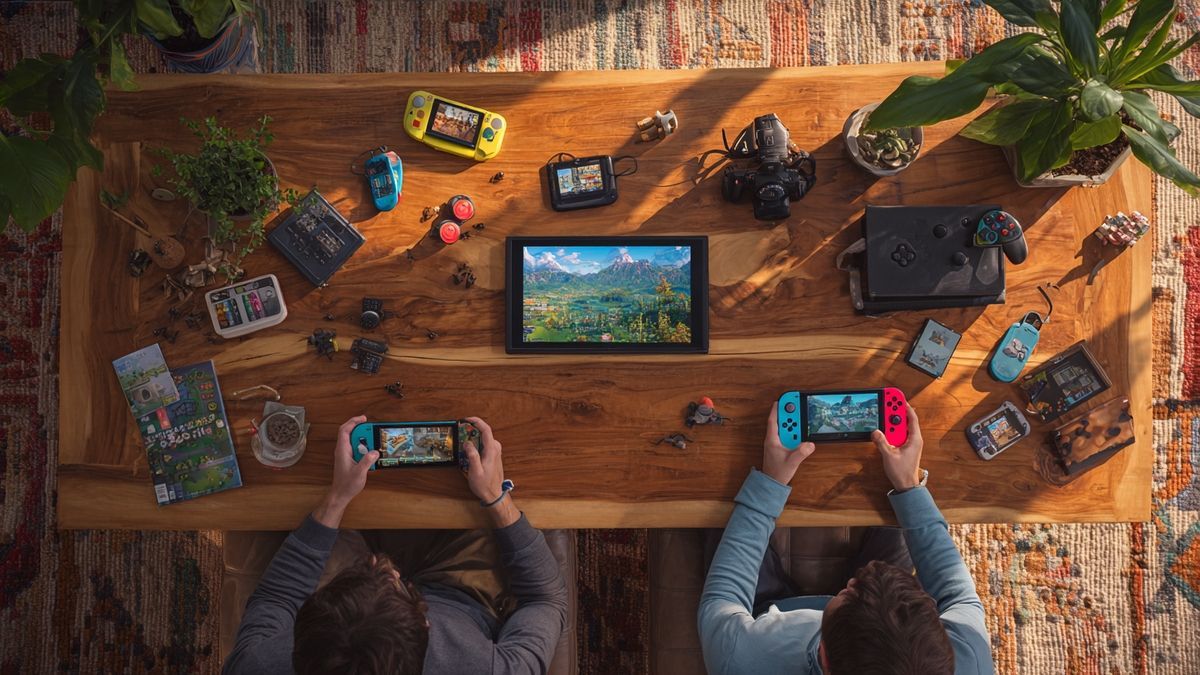
The strongest argument isn’t a single game, it’s the pattern: Switch 2 is getting native releases that used to require streaming workarounds on the original Switch. When Capcom brings multiple titles leveraging the RE Engine, and they don’t arrive as cloud versions, it tells you the baseline capability is there for serious rendering and stable performance. The same goes for Square Enix launching a sharp Final Fantasy VII Remake port on Switch 2, with Rebirth lined up on the calendar. These aren’t tiny experiments, they’re high-profile games that push file size, effects, and scene complexity. And the result, when handled well, is a Switch 2 library that looks closer to modern consoles than most people expect from a tablet-style device.
Western studios are joining the party too, which matters because that’s traditionally where Nintendo platforms saw fewer “showpiece” ports. Ubisoft’s large-scale open-world releases, including Assassin’s Creed Shadows and Star Wars Outlaws, reportedly run far better than anyone would’ve guessed a few years back. CD Projekt Red is another telling example: the original Switch version of The Witcher 3 was impressive technically, but the cutbacks were obvious on the screen. With Cyberpunk 2077 on Switch 2, the impression shifts toward something far more “legit” visually, closer to the game’s intended identity rather than a heavily trimmed reinterpretation. That’s the real milestone: when a port keeps its signature look—lighting, density, character detail—without turning into a blur-fest, it shows the console’s headroom is real.
- Native Switch 2 ports replacing cloud editions for large games.
- Engines like RE Engine delivering consistent visual results across titles.
- Big publishers treating Switch 2 as a serious target, not a side project.
- Better preservation of each game’s visual identity, not just “it runs”.
- More evidence that image clarity and frame pacing can hold up.
Why do some Switch 2 ports still feel unfinished today?
For every Requiem-level win, there’s a port that lands with rough edges, and it usually comes down to time, budget, and how deeply a studio learns the system. Optimization isn’t magic, it’s labor. That’s why you’ll see weird results like an older game shipping with bad input feel or frame rate drops that shouldn’t be there in 2026-era releases. Skyrim on Switch 2 is a perfect example of the “how did this happen?” category: a game that’s been re-released forever still arrived with disappointing performance and input lag, even if patches later improved things. On the flip side, Fallout 4 on Switch 2 showing 40 fps and 60 fps modes demonstrates what happens when the work is funded and scheduled properly. It’s not that the console is “random”. It’s that port quality mirrors how much care a publisher is willing to buy.
There’s also the problem of surprise announcements. I love the energy of frequent drops, but the downside is that some releases feel like they shipped with a question mark attached. Players end up asking, « is this stable in handheld? is docked mode smoother? did they cap the frame rate? ». Reports of unstable performance for certain ports, frame rate cuts in handheld modes, missing graphical settings, or content edits all feed that uncertainty. And yeah, some titles can be rescued—patches sometimes turn a mess into something decent—but nobody wants to pay full price and wait for “eventually.” If Switch 2 wants to keep momentum, publishers need to treat performance optimization and input responsiveness as launch-day basics, not a post-launch plan.
Which signs show Switch 2 developers are improving fast?
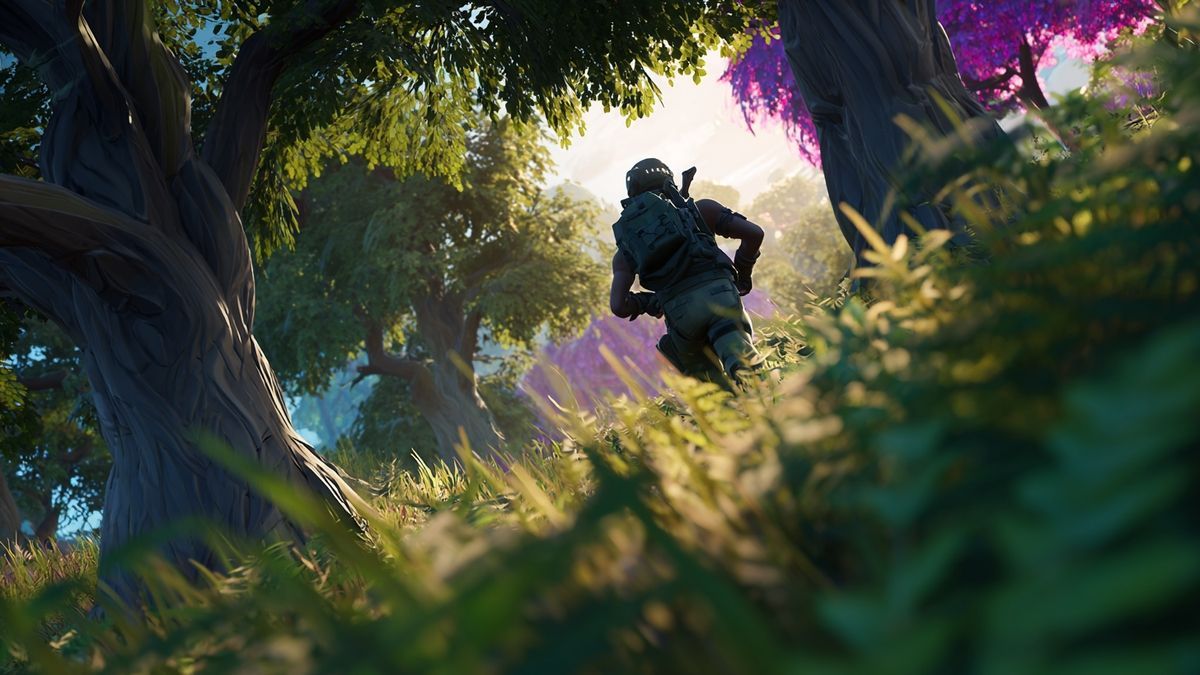
The fastest progress shows up when you compare Switch 2 versions with the same games on Switch 1. You’re not debating taste or art direction anymore, you’re seeing measurable upgrades: higher resolution, steadier rendering, stronger draw distance, and more reliable frame pacing. In games where timing matters—shooters, racers, action RPGs—you feel it immediately. As someone who plays Fortnite often, I’ll say it plainly: the Switch 2 boosts in Fortnite frame rate and visual clarity can help you track targets better and react sooner. It’s not just “prettier”, it changes how matches play out. If you care about account safety while you’re grinding ranked and buying cosmetics, Epic’s own ecosystem is worth treating seriously too, and this guide on how to secure your Epic Games and Fortnite account fits naturally into that reality.
Outside of shooters, the Switch 2 seems better positioned to keep up with games that evolve over time. No Man’s Sky on Switch 2 is a great case: multiple free updates stack up, and extra headroom helps the game maintain a smoother feel while rendering richer environments and more complex effects. Then you get titles where the upgrade is blunt and obvious: Ys X: Proud Nordics reportedly doubles performance up to 120 fps, which is wild for a handheld-capable system, and it changes the texture of combat and traversal. Even Nintendo’s own catalog benefits: recent Zelda releases gaining performance bumps, a Musou-style Hyrule Warriors entry with a steadier frame rate, and a Metroid Prime 4 mode targeting 120 fps all indicate a platform that can deliver speed as well as style.
That said, not every “enhancement” is automatically a win. Some upgrades, such as aggressive AI upscaling choices in certain releases, can introduce artifacts that make the image look worse to sharp-eyed players. The encouraging part is that we’re already seeing the market react: strong ports get praised, shaky ports get called out, and studios learn quickly when the audience compares versions side by side. That feedback loop—plus the sales incentive of an expanded install base—is how you go from messy early ports to a late-generation library where people buy third-party games on Nintendo without hesitating.
What should players check before buying a Switch 2 port?
If you want to avoid buyer’s remorse, a quick pre-purchase checklist saves money and frustration. I’m not talking about obsessing over pixel counts, I mean practical stuff: does the port hold a stable target frame rate, is handheld performance meaningfully worse than docked, and are there any known issues like input lag or stutter during combat? Also check whether the game is truly native or a streaming edition, because that changes what “performance” even means. For open-world titles, look for notes on resolution scaling, texture clarity, and how busy scenes hold up. For competitive games, prioritize responsiveness and frame pacing over fancy shadows. And if preview builds looked rough but later footage improved, that’s a sign the studio is still tuning the release—sometimes that ends well, sometimes it doesn’t.
| What to verify | Where to look | Why it matters |
|---|---|---|
| Frame rate target (30, 40, 60, 120) | Performance reviews, patch notes | Affects combat feel, aiming, and overall smoothness |
| Handheld vs docked differences | Side-by-side videos, forum reports | Helps you predict real usage, not showroom visuals |
| Input latency and stability | Technical analysis, gameplay clips | Prevents “floaty” controls and inconsistent timing |
Conclusion
Resident Evil Requiem on Switch 2 is the kind of port that makes you stop and stare. The clean image quality, steady high frame rates, and confident lighting and atmosphere don’t feel “good for a handheld”, they just feel good, period. I caught myself thinking, « ok, they really got this one right ».
That said, the broader story is still mixed. Some releases show input lag, unstable performance, or big gaps between docked vs. handheld quality, which tells you many teams are still learning the hardware. Switch 2 ports clearly have real headroom, but the results depend on time, budget, and serious optimization.
Sources
- PCMag. « Resident Evil Requiem Looks So Good on Nintendo Switch 2, It’s Scary ». PCMag, 2025-06-18. Consulté le 2026-03-08. Consulter
- Capcom. « RE ENGINE ». Capcom, s.d. Consulté le 2026-03-08. Consulter
- Nintendo. « Nintendo Switch 2 — Features and Hardware Overview ». Nintendo, s.d. Consulté le 2026-03-08. Consulter
- Epic Games. « Fortnite Patch Notes ». Epic Games, s.d. Consulté le 2026-03-08. Consulter
- 0kill-7assists.com. « Fortnite Update 39.51 ». 0kill-7assists.com, s.d. Consulté le 2026-03-08. Consulter
Source: uk.pcmag.com

Inima, 35 years old, passionate about Fortnite. Always ready to take on challenges and share intense moments in the gaming world.