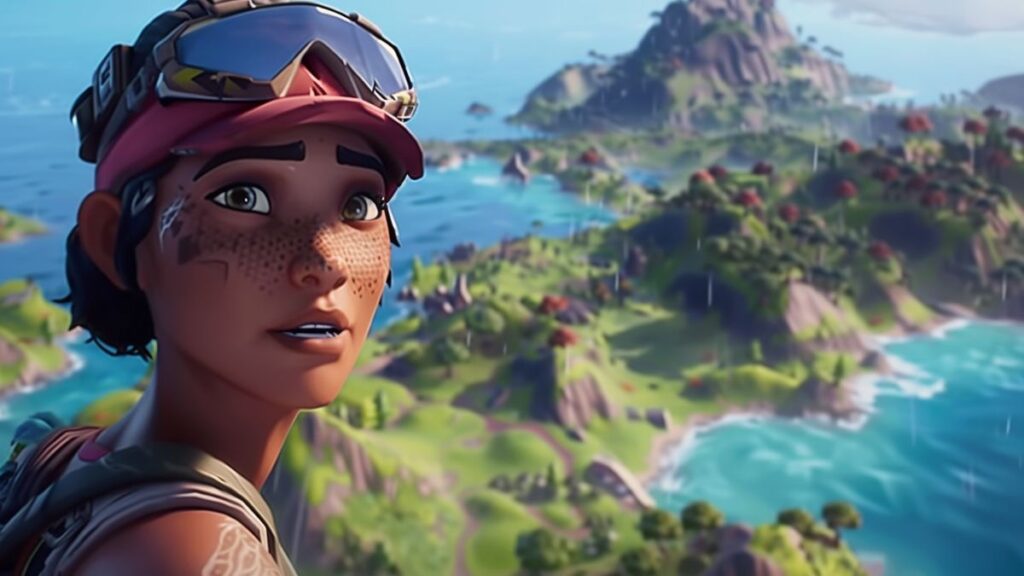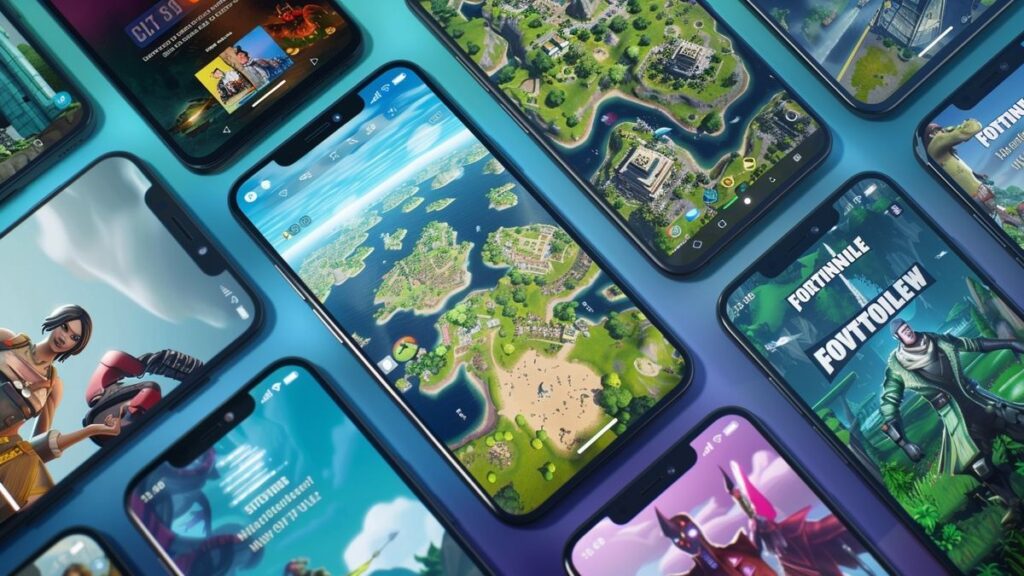
Fortnite on Android is set for a broader return to the Google Play Store later this week, with Epic pointing to March 19, 2026 as the rollout date. After a long, messy stretch tied to the Google vs Epic legal fight, the game’s Play Store presence is moving from “it depends where you live” to a more global availability story. It’s not hype, it’s a practical change for anyone who just wants to install the app without extra steps.
Some players will say, “Wait, I already saw it in December.” Fair point. The clearer read is that the earlier listing wasn’t fully worldwide, and this week is when that gap closes. For Android users, that means fewer workarounds, fewer mixed messages, and a cleaner path back into Battle Royale and Zero Build.
When will Fortnite be available on Google Play worldwide again?
March 19, 2026 is the date Epic Games has pointed to for a broader rollout of Fortnite on the Google Play Store. If you’ve been following Android players for the last couple of years, you’ve probably heard mixed reports like, “My friend in the U.S. can download it, but I can’t.” That mismatch is the key detail here. Epic’s messaging this week strongly suggests the game is about to be available globally through Google Play again, not just visible in certain regions or on certain devices. Android users who previously had to rely on alternate installs may see the Play Store version become the straightforward option, the way most people expect mobile apps to work.
What makes this news feel bigger than a routine app update is the context: Fortnite has been away from the Play Store for nearly six years, and the timing lines up with the end of the long-running Google vs Epic legal dispute. Epic has also said publicly (including via social posts and a video update) that “Fortnite is back on Google Play” as of that Thursday. Now, if you’re thinking, “Didn’t it already show up in December ?” you’re not imagining it. There were signs of a return back then, but the most reasonable read is that December’s availability wasn’t truly universal. This week’s change looks like the moment the Play Store distribution becomes consistent for more countries, which is what players outside the early-access regions have been waiting on. If you’re the type who likes planning ahead, it’s worth keeping an eye on upcoming seasons too; Epic tends to pair platform news with fresh content beats, and the roadmap chatter around Fortnite Chapter 7 release is already getting attention in the community.
Why did Fortnite leave Android’s Play Store for so long?
The short version is business and policy conflict, not a technical limitation. Fortnite didn’t vanish because Android can’t run it; it left because Epic and Google clashed over distribution terms and payments, which escalated into a highly public court fight. That dispute dragged on long enough that many players got used to the “side-install” routine, even if it was never everyone’s favorite. Plenty of folks prefer the Play Store because it feels cleaner: one tap to install, one place for updates, fewer prompts, fewer doubts. From a mobile security standpoint, that comfort matters, because scammers love to mimic big games. When an official listing is missing, fake download pages and shady APK links tend to spread faster than anyone would like.
During the hiatus, Epic kept Fortnite accessible on Android through other official channels, but it wasn’t the same experience as a normal Google Play app install. Updates could feel less “automatic,” and some players worried about whether they grabbed the right file. I’ve seen it firsthand in group chats: someone says they installed Fortnite, then another friend asks for a screenshot of the installer screen to verify it’s legit. That’s not a fun pre-game ritual. A global return to Play Store availability reduces that friction, especially for casual players who just want to drop in for a few matches and move on with their day. It also lines up with how Epic tends to market Fortnite as a living platform, where seasonal beats, limited-time modes, and cosmetics rotate constantly. When the install path is simpler, more people can keep up with rotating content like Fortnite cosmetics; if you like tracking legitimate ways to collect items, this guide on free Fortnite cosmetics is a handy reference to keep bookmarked for when offers change.
What should Android players do before March 19, 2026?
If your Play Store already shows Fortnite today, you’re likely in one of the regions where access has been live. Still, it’s smart to prep for a broader rollout with a few practical checks that help avoid typical Android headaches: storage, OS updates, and account sync. Fortnite updates can be chunky, and nothing kills the mood faster than starting an install right before your squad is ready, only to get a “not enough space” message. Another thing people overlook is how permissions and login methods behave when you switch installation sources. If you previously used an Epic-provided installer or another official path, moving to a Play Store listing should be smooth, but it’s worth confirming that your Epic Games account is linked the way you want, especially if you bounce between console, PC, and mobile.
On the safety side, stick to official storefronts and official publishers. The moment Fortnite becomes widely searchable again on Google Play, there can still be copycats trying to ride the keyword traffic. That’s not a Fortnite-only issue; it’s an app-store reality. So, when you search, look carefully at the publisher name and the listing details before you hit install. And yes, I know that sounds obvious, but people get tricked when they’re excited and impatient, especially around big reinstatements.
- Update Android and Google Play services to reduce install errors and crashes.
- Free up space for Fortnite Android updates, textures, and cached files.
- Verify your Epic account login method (email, console link, 2FA) before reinstalling.
- Only install from Google Play Store or other official Epic channels, not random APK sites.
- Check in-game settings for performance mode after installing, since defaults may reset.
Will the Play Store return change updates, purchases, or access?
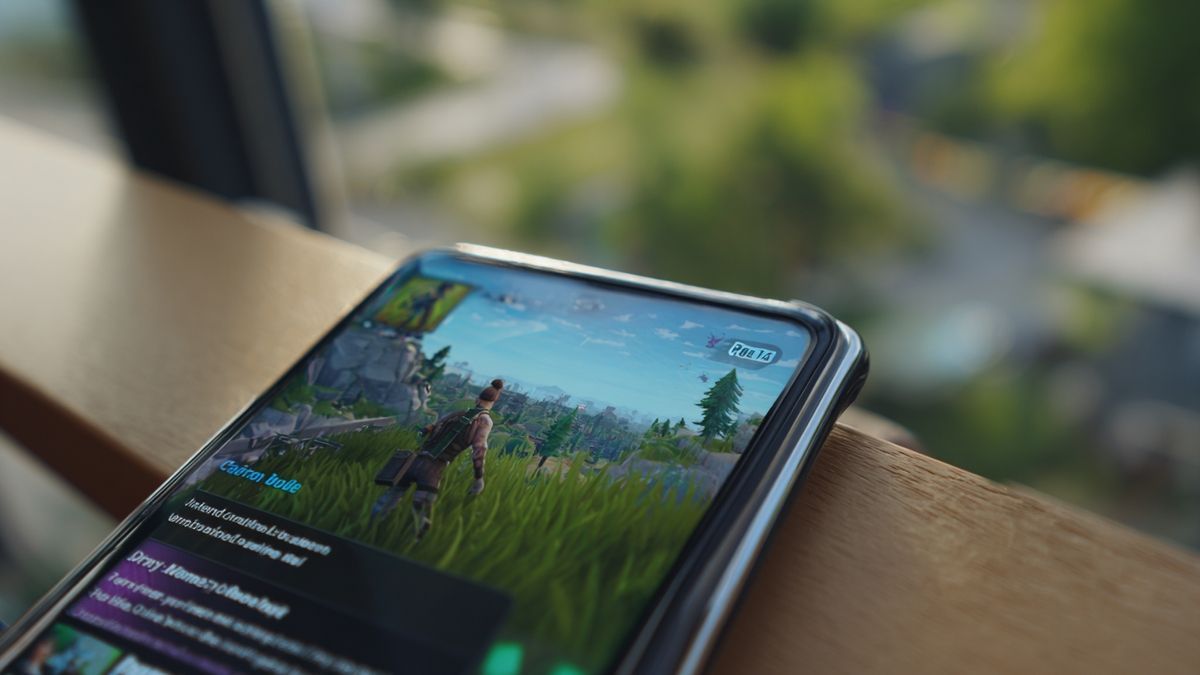
Yes, mostly in “quality of life” ways. The biggest day-to-day difference for Android players is that Fortnite updates on Google Play should feel more routine: the game appears in your update queue, and you’re less likely to hunt for the latest installer. That matters because Fortnite patches aren’t rare event drops; they’re part of the regular seasonal rhythm. If you play frequently, the Play Store pipeline can make it easier to stay current, which is especially helpful when a hotfix lands and matchmaking versions are split across users for a few hours. In practical terms: fewer “I can’t queue, my version is outdated” messages in group chat.
For purchases and access, the details depend on how Epic and Google align post-case, and Epic hasn’t laid out every technical nuance in a single public checklist. What we can say, without guessing, is that the return follows the end of the court case between Google and Epic, and that suggests the distribution path is now viable again at scale. Players should still keep an eye on official patch notes and store listing info for exact billing behavior, because payment flows can vary by platform and region. If you’re primarily a PvE player, it’s also a good time to verify how your mode access is set up; there’s a lot of chatter online that can get messy, so I prefer pointing friends to a single clear explainer on Fortnite Save the World free questions rather than relying on rumors.
And speaking of rumors: the Play Store comeback will almost certainly fuel speculation cycles, because any big platform shift tends to trigger that. It’s fine to read leaks for fun, just keep them labeled as leaks in your head. If you want to see how those discussions usually unfold, this write-up on a Breaking Bad Fortnite leak is a good example of how quickly collab talk can spread, even before anything is confirmed.
How can you confirm Fortnite is the real Play Store listing?
Here’s the practical checklist I use, especially when a major game returns and search results get noisy. First, confirm you’re in the Google Play Store app (not a browser page that looks like it). Then check the publisher, the app’s ratings history, and whether the listing links out to official Fortnite/Epic resources. If anything feels off—odd spelling, weird screenshots, broken grammar, or a “lite” clone vibe—back out. Real listings for global games are usually polished, and the permission prompts should align with what a legitimate online game needs. For parents and younger players, it’s also reasonable to set Play Store install restrictions and require approval, because high-profile titles attract impersonators.
Because availability has appeared uneven across regions, it can also help to verify “real” status by checking whether the app supports standard Play Store features: update history, verified developer indicators where applicable, and consistent version notes. If Fortnite doesn’t show up for you on March 19, 2026, it may be a staged rollout, a device compatibility flag, or a regional timing gap. In that case, the safest move is patience and official channels—not searching for “Fortnite APK latest” and rolling the dice.
| Check | What you should see | If it looks wrong |
|---|---|---|
| Publisher / developer | A clear, consistent official publisher identity | Don’t install; report the listing if needed |
| Listing quality | Professional screenshots, clean text, stable ratings history | Assume it’s a clone or scam; exit immediately |
| Update + version notes | Regular updates matching current Fortnite season timing | Wait for official confirmation; avoid external APK searches |
If you’re already thinking ahead to how Fortnite’s side modes tie into mobile convenience, I get it. Racing and quick sessions tend to shine on phones, and the community’s been talking a lot about Fortnite racing crossovers lately; this piece on racing Fortnite Usain Bolt captures that vibe without pretending it’s anything other than what it is: fast-moving esports-adjacent chatter and content buzz.
Conclusion
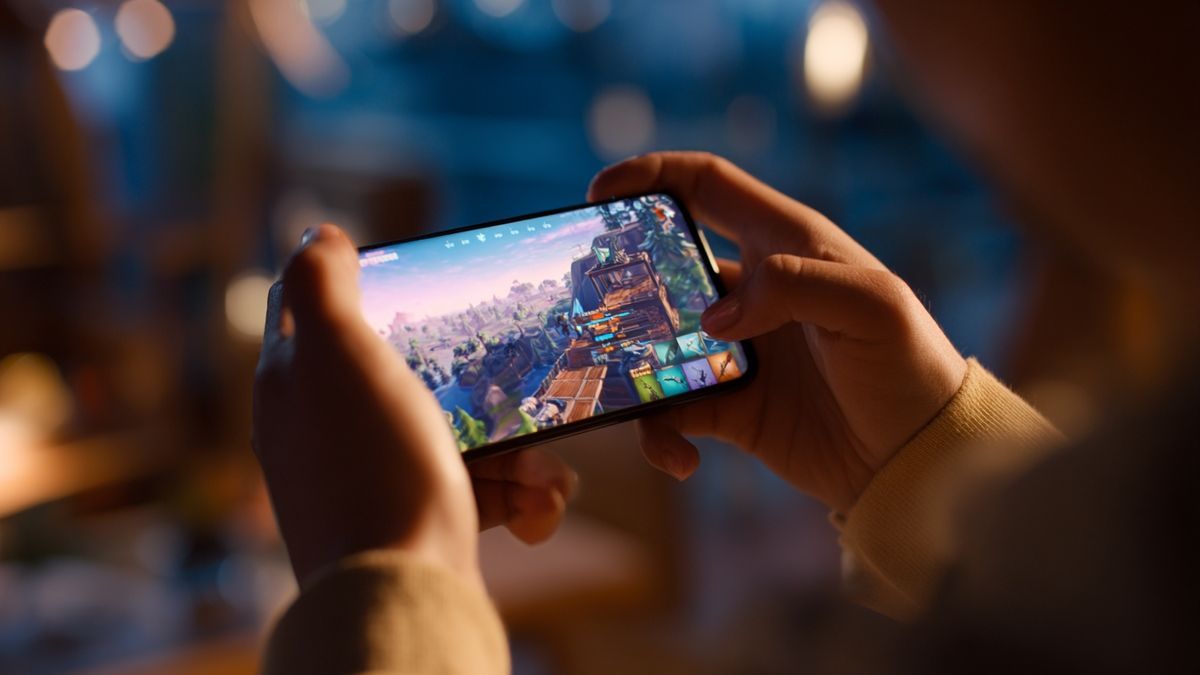
With Fortnite returning to the Google Play Store on March 19, 2026, Android players should see a smoother, more familiar install path after years of workarounds. I’ll be real, having it back in the store just feels cleaner, especially for updates and account sign-ins.
Epic’s messaging suggests this rollout may be regional, so availability can still vary depending on where you live. If you didn’t see it in December, this week may be when Play Store access really lines up for everyone. Keep an eye on the listing, verify the publisher, and you’re set.
Sources
- Epic Games. « Fortnite is coming back to Google Play ». Epic Games Newsroom, 2026-03-18. Consulté le 2026-03-18. Consulter
- Epic Games. « Fortnite is back on Google Play (March 19, 2026) ». YouTube, 2026-03-18. Consulté le 2026-03-18. Consulter
- United States District Court for the Northern District of California. « Epic Games, Inc. v. Google LLC (CourtListener docket) ». CourtListener (Free Law Project), s.d. Consulté le 2026-03-18. Consulter
Source: 9to5google.com

Inima, 35 years old, passionate about Fortnite. Always ready to take on challenges and share intense moments in the gaming world.