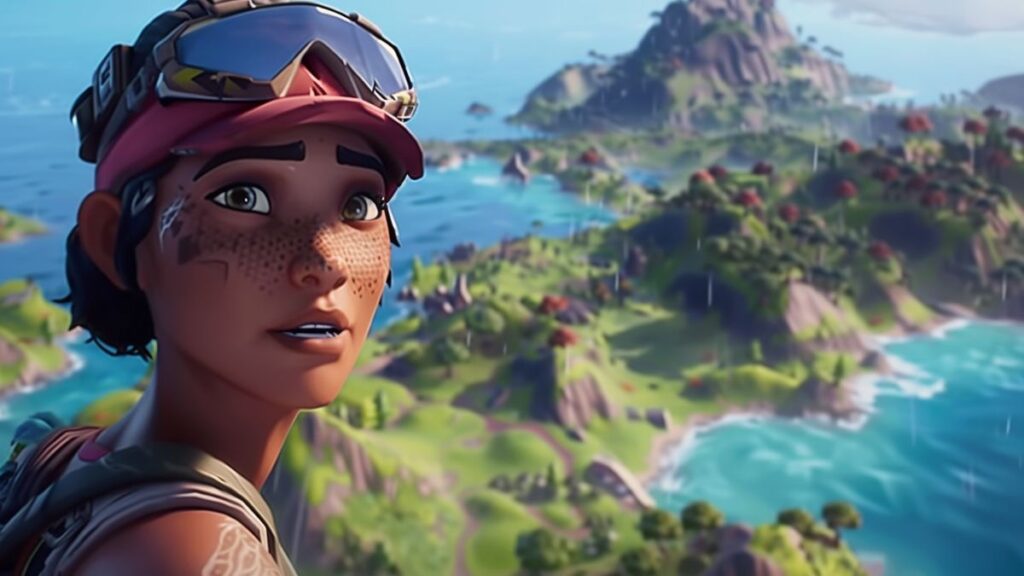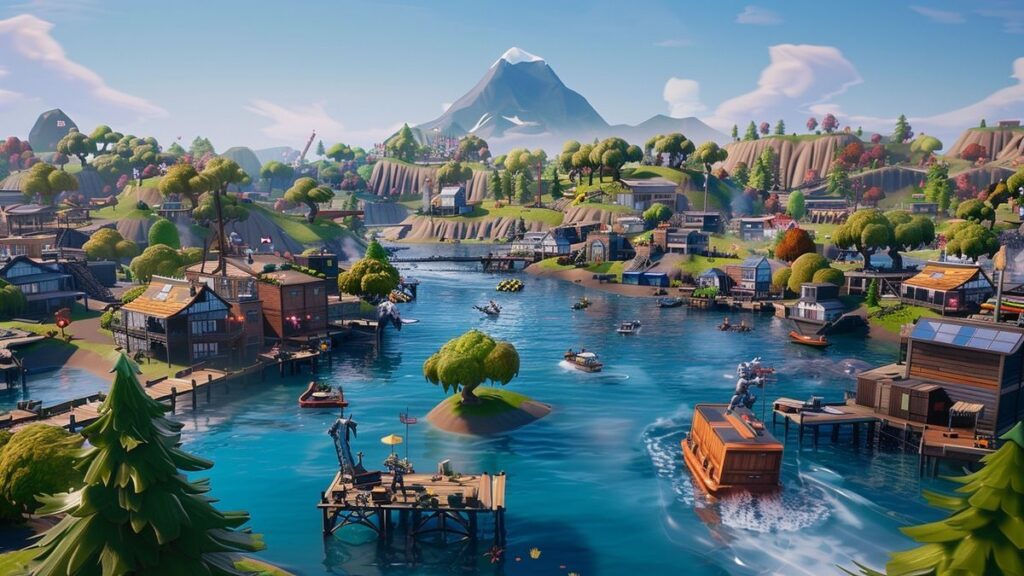
Fortnite is reportedly preparing its first AI-driven characters, and the names making the rounds are Tung Tung Tung Sahur and Ballerina Cappuccina, two figures tied to the Italian brainrot meme trend. If this lands in-game, it marks a real shift: not just another collab skin, but generative AI characters entering a mainstream live-service ecosystem. It’s the kind of move that can change how players read “canon” inside Fortnite, whether Epic intends that or not.
These characters are typically associated with AI-generated visuals and text-to-speech narration, built around surreal, anthropomorphic designs. For Epic, the clean path is clear: keep the rollout respectful, stay neutral on cultural references, and handle rights management with care, especially since Fortnite hasn’t leaned on public domain characters in the past. Frankly, if licensing is involved, say it plainly and keep it tidy.
What’s behind Fortnite’s first AI-driven character skins?
Seeing Fortnite flirt with generative AI characters is a real shift for the game’s content pipeline. Up to now, Epic’s biggest crossovers have leaned on familiar, clearly credited IP: movies, comics, musicians, sports icons. This new move sits in a different lane, because it touches the messy internet ecosystem where AI-generated meme culture spreads fast, gets remixed endlessly, and often lacks a clean paper trail. Reports circulating via well-known leakers in the Fortnite community mention two incoming skins tied to “Italian brainrot” characters: Tung Tung Tung Sahur and Ballerina Cappuccina. If you’ve never seen that genre, it usually pairs an AI-made image (often an anthropomorphic object) with a short narrated verse through text-to-speech audio. It’s low-budget, hyper-shareable, and it mutates daily across TikTok, YouTube Shorts, and repost accounts.
From a legal and platform-trust angle, the big question is not “are these characters funny or weird”, it’s whether Epic can reliably verify who owns what, and what rights attach to the designs, names, and catchphrases. A lot of AI meme characters feel “ownerless” because they aren’t from a studio or a known artist, but that doesn’t automatically make them public domain, and it doesn’t guarantee there isn’t a rights holder behind the scenes. Epic typically avoids ambiguity, so the fact that these skins are even rumored has fueled a reasonable suspicion: there may be a licensing deal in place, even if the underlying meme started in a chaotic, community-driven way. If Epic is careful, you’d expect a trail of internal approvals, brand safety checks, and content policy reviews before anything hits the Item Shop.
Who are Tung Tung Tung Sahur and Ballerina Cappuccina?
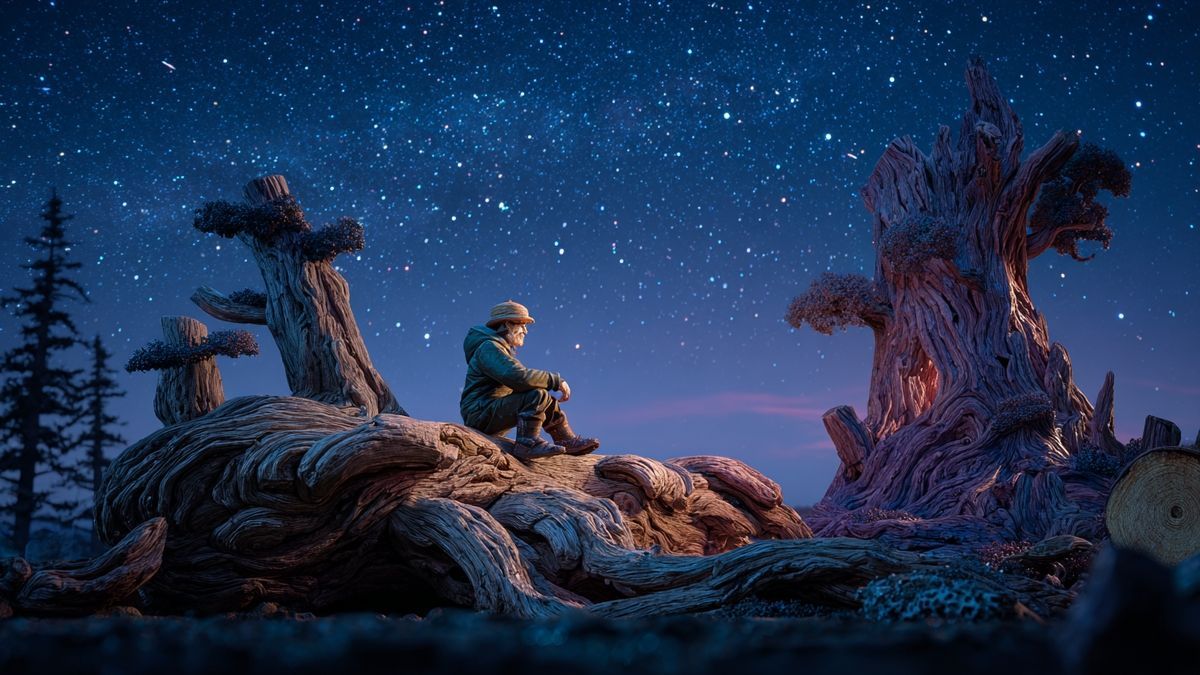
Tung Tung Tung Sahur is often described in meme circles as an anthropomorphic log character associated with a bat and a rhythmic chant. The “Sahur” reference points to the pre-dawn meal during Ramadan (a real religious practice), and the meme’s framing can come off as a spooky, exaggerated “he’ll come get you” warning. For a mainstream game like Fortnite, that context matters: Epic generally tries to stay neutral and avoid targeting any faith group, so if this skin arrives, the safest approach is that it’s treated as a fictional meme persona without leaning into religious mockery, stereotypes, or threats. Put plainly, a cosmetic can exist without the surrounding internet narration that made it spread in the first place, and that’s likely the lane Epic would choose. Players will still recognize the reference, but the in-game presentation can stay more sanitized, closer to a quirky character model than a “message”.
Ballerina Cappuccina is usually depicted as a teacup or cup-shaped face on a ballerina body, another example of that anthropomorphic AI character style. The appeal is basically the contrast: something ordinary turned into a stylized “person” with a dramatic vibe. If the skin is real, it fits Fortnite’s history of mixing silly with stylish, where the joke is the silhouette and the animation potential. And honestly, that’s where Epic can make this work without drama: let the skin be about the look, not about any edgy caption or voiceover. In practical terms, if you’re a player thinking “what will this be like in matches”, you’re probably looking at a cosmetic with a memorable outline, room for themed emotes, and plenty of synergy with back bling and pickaxes. The key is that the in-game asset has to stand on its own, with clear ownership and clean language, because Fortnite’s audience includes teens, families, and streamers who don’t want content headaches.
Are these AI meme skins public domain or actually licensed?
Here’s the tricky part: people often assume AI-generated characters mean “no copyright” or “free for anyone”, and that’s just not a safe assumption. Copyright rules vary, and even where AI output itself can be hard to protect, there may be human authorship in the selection, editing, compositing, naming, or the specific narrative that made the character recognizable. There can also be trademark issues if a name is used commercially. Epic is a massive company that tends to avoid gray areas, so the more realistic scenario is that they either (1) negotiated a license with whoever is positioned as the rights holder, or (2) they built “inspired-by” skins that are legally distinct from any specific, claimable design. If the rumor mill is right that Epic has “never added public domain characters before,” that’s not proof of anything, but it does match Epic’s general pattern: do deals, document permissions, ship content with minimal legal ambiguity. And yes, leaker chatter has included speculation that licensing happened. It’s speculation, though, until Epic confirms details.
What usually gets overlooked is how many different rights can be involved even in a meme. A single viral character might touch:
- Character design rights (final look, distinctive elements, iteration history)
- Name and branding concerns (potential trademark filings or prior commercial use)
- Audio and catchphrases (text-to-speech scripts, recognizable lines)
- Source asset disputes (training data claims are complex and jurisdiction-dependent)
- Platform policies (Fortnite’s own standards for harassment, threats, and protected groups)
How could Epic ship AI-themed cosmetics without legal risk?
Epic doesn’t need to “solve AI” to ship a skin responsibly; they need a documented path that reduces uncertainty. Practically, that means making sure the art team’s final model is either fully owned by Epic or covered by a clear contract, and that the marketing avoids implying ownership they can’t support. Also, the safest approach is to keep the cosmetics focused on original 3D assets built internally, even if they’re tied to a meme reference. That reduces exposure compared to importing any external AI images directly. In other words, you can nod to an internet trend without dragging the whole internet’s baggage into your pipeline. And if there’s licensing, it should specify what’s being granted: the name, visual traits, and any related promotional rights. That’s how big brands usually handle meme-based collaborations when they want to keep the launch clean.
There’s also the community safety side. Fortnite can be chaotic, but it’s not a free-for-all: Epic moderates content and tries to keep the ecosystem brand-safe for creators, sponsors, and younger players. So if a meme’s “lore” includes religious intimidation or violent framing, the game doesn’t have to reproduce that tone. A skin can arrive with neutral flavor text, standard rating-compliant presentation, and no voice lines. I’ve watched enough Item Shop drops to know Epic often takes the “quiet rollout” route when something might spark debate. No grand speech, no wink-wink marketing, just a cosmetic that appears and either finds its audience or fades. That approach also gives Epic room to adjust quickly if feedback spikes, without turning the release into a bigger controversy.
How might these skins affect Fortnite’s AI content roadmap?
If Fortnite truly adds AI-driven character collaborations, it could set a precedent for how the game treats internet-native creations that don’t come from a traditional studio pipeline. That doesn’t automatically mean Fortnite is filling the locker with AI memes, but it does show Epic is watching where culture forms now: short-form video loops, remix accounts, and fast-spreading character gags. For players, the immediate impact is cosmetic variety. For creators and brands, the impact is more strategic: it suggests Fortnite is willing to test partnerships outside classic entertainment licensing, as long as the rights situation is manageable and the content fits the game’s standards. And yeah, from a pure gameplay perspective, a new skin is “just a skin,” but cosmetics shape the social layer of Fortnite: squads matching, stream thumbnails, TikTok clips, and the micro-trends that spin out of emote combos.
Here’s a clean way to think about what could change if Epic keeps going in this direction:
This kind of drop can push Fortnite cosmetics toward faster “culture response” cycles, but it also raises the bar for rights clearance and moderation. The more internet-native the reference, the more careful Epic has to be about what the game is actually endorsing.
| What players notice | What Epic must manage | What it could lead to |
|---|---|---|
| New meme skins in the Item Shop | Licensing clarity and ownership docs | More internet-native crossovers |
| Short-form trend energy on social media | Brand safety and audience suitability | Faster cosmetic cycles |
| Fresh emote pairings and squad themes | Policy compliance for sensitive references | New rules for AI-adjacent collabs |
Conclusion
Fortnite testing AI-driven characters such as Tung Tung Tung Sahur signals a clear shift in how skins and personas might be sourced and presented. These figures come from an AI meme format, which raises real questions about rights management, even when a character feels “internet-made” and hard to pin to one creator. Honestly, that gray area is where issues start.
If Epic is moving forward, the safest path is visible licensing clarity and consistent content moderation, so players know what they’re getting and why it’s in the shop. For the community, it’s a mixed vibe: some will laugh and equip it, others will side-eye the precedent. Either way, generative content is now at the door of mainstream Fortnite.
Sources
- Epic Games. « Fortnite Chapter 5 Season 3: Wrecked — Battle Pass ». Epic Games, 2024-05-24. Consulté le 2026-04-02. Consulter
- Epic Games. « Fortnite Island Creator Rules ». Epic Games, 2024-03-20. Consulté le 2026-04-02. Consulter
- Epic Games. « Fortnite EULA ». Epic Games, s.d. Consulté le 2026-04-02. Consulter
Source: gameranx.com

Inima, 35 years old, passionate about Fortnite. Always ready to take on challenges and share intense moments in the gaming world.