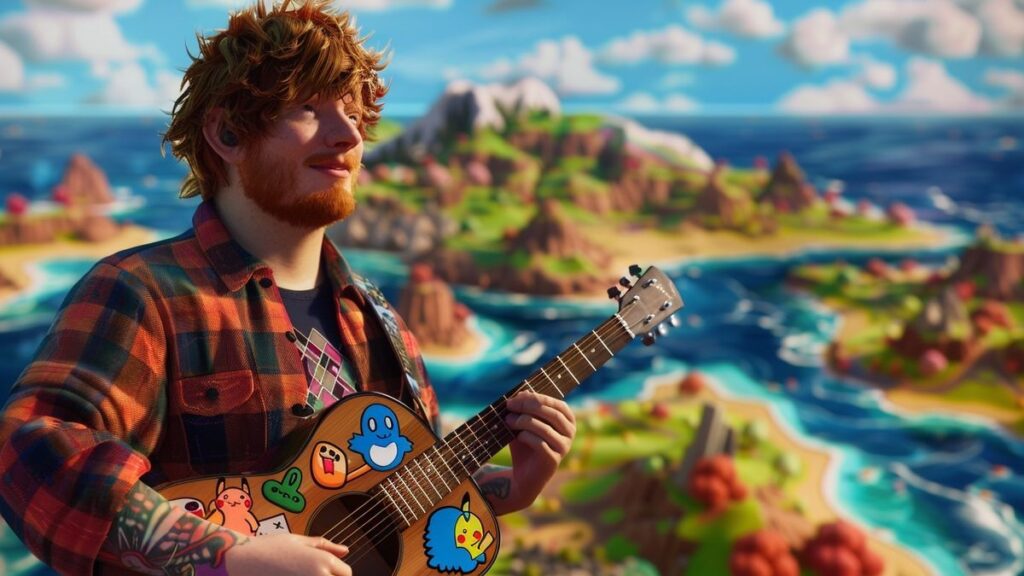
Ed Sheeran declined a Fortnite appearance, not out of drama, but out of consistency. On a recent podcast, he said his team pitched an in-game cameo, yet he passed because he doesn’t play Fortnite. His point was simple: he prefers brand tie-ins that match what he actually uses or enjoys, and he didn’t want his face attached to something that felt off. Authentic celebrity collaborations were the line he drew, plain and clear.
That “no” helped steer a different path. Sheeran has said he plays Pokémon, and that connection led to a 2022 collaboration with The Pokémon Company, including a music video built around the franchise. Meanwhile, Fortnite music content still carries his presence through licensed tracks and an emote, even without a full character skin.
Why did Ed Sheeran say no to a Fortnite appearance offer?
Ed Sheeran recently explained, on a podcast interview, why he passed on a proposed Fortnite collaboration even though the game has already welcomed major music crossovers. His answer was blunt and, honestly, pretty relatable : he doesn’t play Fortnite, and he doesn’t want his name attached to something he doesn’t genuinely use. In his words, when people see his face tied to a product or a brand moment, he wants it to feel real, not like a random marketing slot. That mindset lines up with how he’s handled endorsements before, from gear he actually uses to partnerships built around things he truly likes. There was even a casual reference to his well-known love of ketchup, used as an example of the kind of deal he’ll say yes to when it matches his day-to-day reality. Authenticity in celebrity branding can sound like a talking point, but here it came across as a simple boundary : no playtime, no skin.
It’s worth noting that saying no to an in-game appearance doesn’t mean Sheeran is “anti-Fortnite”. The game still features official music content connected to him, including in-game music tracks and an emote players can buy. That detail matters, because it shows he’s not blocking his music from the ecosystem; he’s just not comfortable being presented as someone who actively drops into lobbies and runs matches. If you follow Fortnite’s partnership history, that distinction is normal : Epic’s ecosystem supports everything from concerts to cosmetics to licensed audio. Some artists go all-in with a full avatar. Others keep it to audio licensing, which is closer to how radio and streaming already work. If you’re tracking how Fortnite’s platform footprint keeps shifting, including mobile distribution talk, this timeline also sits alongside broader platform discussions like Fortnite’s path toward a potential return to Google Play, which keeps the conversation around visibility and reach very live.
How did Pokémon become Ed Sheeran’s next big gaming tie-in?
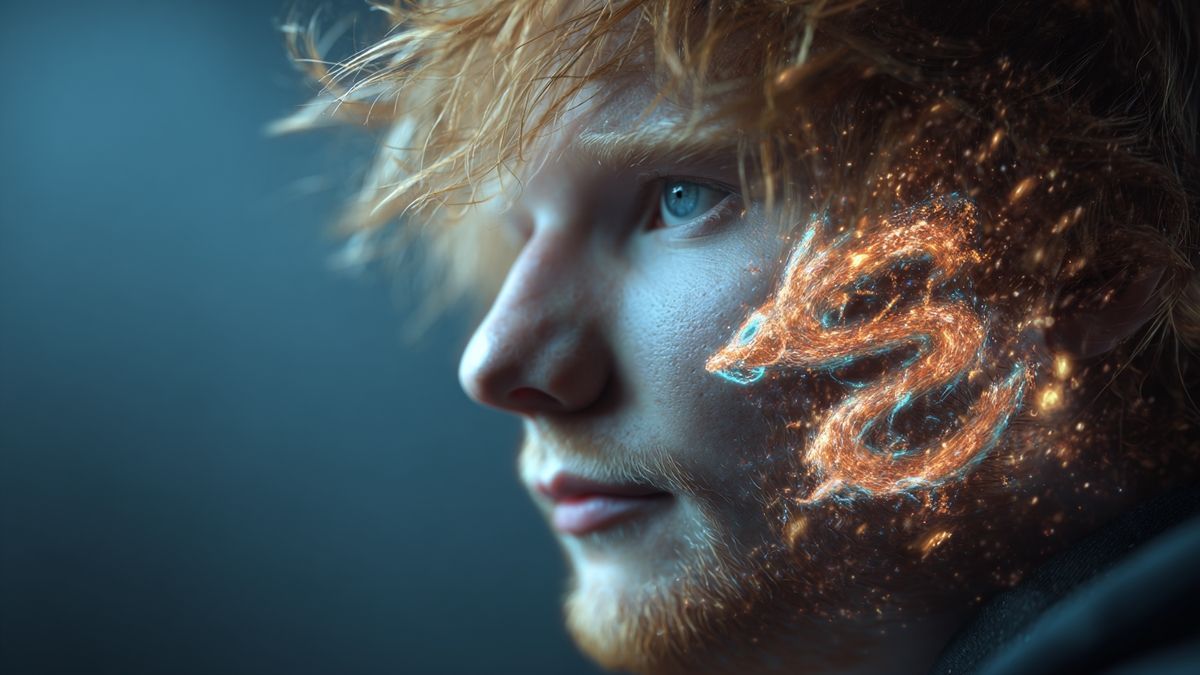
After declining the Fortnite option, Sheeran pointed out something he actually does play : Pokémon. That one detail became the bridge to a legitimate partnership with The Pokémon Company. The result was his 2022 collaboration tied to the song “Celestial”, accompanied by a Pokémon-themed music video that leaned into the franchise’s imagery and tone. From a deal-making standpoint, it’s a clean example of alignment : the artist is already a fan, the IP has cross-generational recognition, and the creative output doesn’t feel forced. Music-and-gaming collaborations often get judged in the first ten seconds; if it feels like a billboard, audiences bounce. If it feels like a real fandom moment, it lands.
There’s also a practical angle that gets overlooked : gaming partnerships can range from “full avatar and event” to “soundtrack placement” to “social campaign”. Pokémon’s choice here was a music-forward roll-out that still carried strong brand DNA, while letting Sheeran stay in his lane musically. It’s not a diss toward Fortnite; it’s simply a different format that better matches his personal habits. And, speaking as someone who spends a lot of time watching how these ecosystems collide, Pokémon’s approach tends to be tighter on narrative and art direction, while Fortnite tends to be broader, faster, and more remix-heavy. If you’re watching the wider rhythm of Fortnite collaborations right now, there’s a steady stream of speculation and leaks in adjacent spaces, whether it’s TV crossovers or unexpected drops, similar to the chatter you see around things like a Breaking Bad Fortnite leak that fuels community conversations even before anything is officially confirmed.
- Brand authenticity : partnerships feel stronger when the artist already uses the product or plays the game.
- Creative control : a music video can preserve an artist’s identity more than an in-game avatar.
- Audience overlap : Pokémon spans kids, teens, and adults, which widens reach without changing tone.
- Format fit : not every collab needs a skin; licensing and visual storytelling can hit just as hard.
What does this reveal about authenticity in game collabs?
When a huge game offers a cameo, there’s pressure to say yes. Fortnite has built a reputation for making culture feel playable, and plenty of artists have taken that route, with Fortnite skins and performance-style events becoming a modern badge of visibility. Sheeran’s “no” is interesting because it highlights a softer truth : fans can smell a mismatch. If an artist doesn’t touch the game, the marketing starts to feel like cosplay, and not the fun kind. In the long run, that can damage trust more than it helps reach. Celebrity authenticity isn’t about being “pure”; it’s about being consistent. Saying, “I don’t play it” is almost disarmingly honest, and that honesty is probably why the story resonates.
From the Fortnite side, the ecosystem doesn’t depend on any single celebrity. The game keeps rolling with seasonal updates, new modes, and a pipeline of crossover content that ranges from music to major TV and film brands. What keeps Fortnite strong is the constant refresh : a player can log in today and see a totally different cultural footprint than they saw last month. That’s also why Fortnite’s community pays close attention to timing around major updates and resets, because crossovers often land near new chapters or big seasonal beats. If you want a sense of how those major shifts get framed, and why they matter for collaborations and visibility, this breakdown of the Fortnite Chapter 7 launch gives a useful view of how Epic tends to package “new era” moments that brands love to anchor onto.
How does Fortnite handle artists who skip full in-game skins?
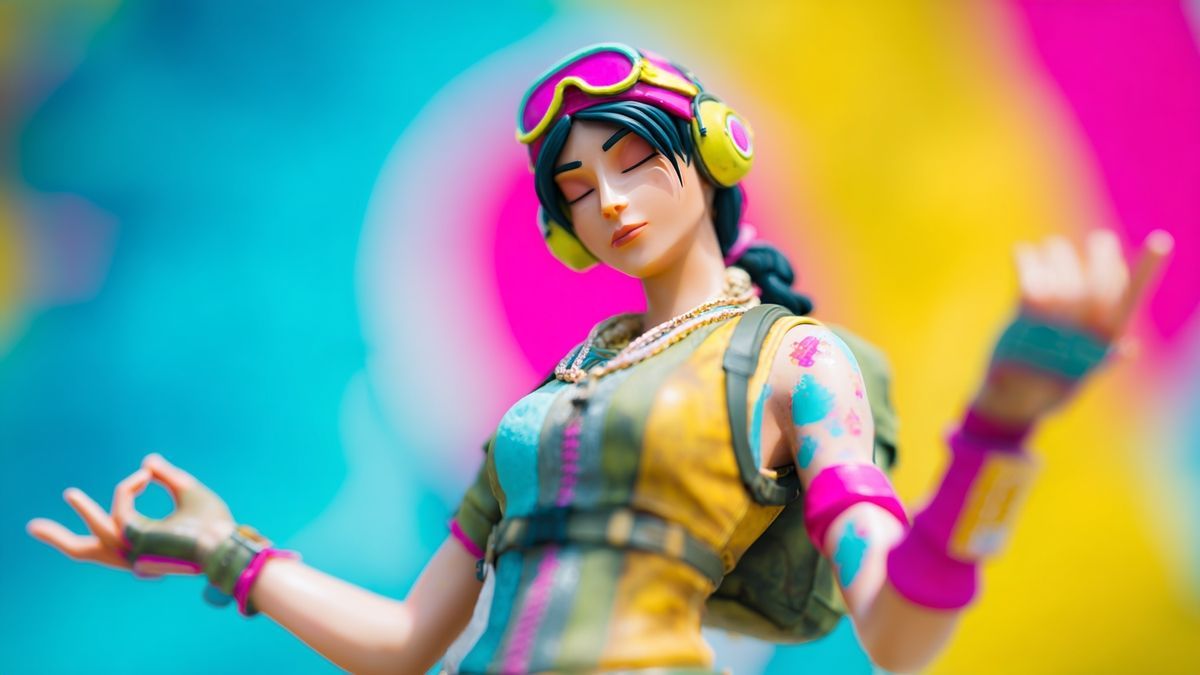
Fortnite’s licensing model is flexible. An artist can show up as a full-on avatar skin with cosmetics, or they can appear through licensed music and interactive items without being “present” as a character. In Sheeran’s case, his music is still available in Fortnite in forms players recognize : buyable tracks and an emote attached to his catalog. That’s a middle-ground approach, and it’s honestly common. A lot of artists want the reach of Fortnite’s player base without creating the impression they’re grinding ranked every night. In-game music monetization is also cleaner legally and creatively : there’s clear rights management, clear consumption, and less risk of the artist’s likeness being used in ways they wouldn’t personally endorse.
What’s also fascinating is how Fortnite balances official content with community speculation. One week it’s music, the next it’s a TV franchise, and sometimes it’s athlete or creator tie-ins that feel like they came out of nowhere. That constant flow is why Fortnite’s partnership beat never really slows down, even if one celebrity declines. If you track crossover patterns, you’ll notice Fortnite frequently syncs with broader entertainment cycles : anniversaries, new seasons of shows, or big release windows. The conversation around television properties stays lively too, with long-running franchises getting new attention in gaming spaces. For a wider snapshot of how TV storytelling and game crossovers intersect right now, this piece on The Walking Dead in gaming gets into the ways these IPs keep finding new formats that don’t always require celebrity avatars to work.
And, yeah, from a player perspective, it’s kind of refreshing when someone just says, “Not my thing.” Fortnite already has plenty of artist skins in circulation, and those cosmetics can be fun without needing every musician on the planet to sign up. The platform is big enough to host different levels of participation : full skins, soundtrack placements, timed quests, branded hubs, or nothing at all. That optionality is what keeps the ecosystem from turning into one long ad break. If Fortnite ever did land Sheeran in the future, it would probably require the one thing he already told us matters most : him actually picking up the game and wanting to be there.
What should fans expect from Fortnite’s next collab wave?
Collabs are likely to keep stacking up across Fortnite crossover events, music drops, and TV or sports tie-ins, because that’s how Epic sustains momentum between gameplay updates. That said, not every headline will be a confirmed partnership; a lot of the internet noise is driven by leaks, rumor cycles, and wishlists. For fans, the healthiest move is to separate “confirmed in-game content” from “community chatter”, then watch official channels for the real release notes. If you’re curious about how varied these tie-ins can get, from athlete storytelling to unexpected celebrity moments, this feature on Fernando Mendoza and Alysa Liu in Fortnite shows how wide the collaboration umbrella can stretch.
| Collab format | What fans usually get | Why it’s used |
|---|---|---|
| Full skin + cosmetics | Outfit, back bling, pickaxe, emote bundle | High visibility, strong merchandising, social shareability |
| Music track / emote | Playable audio, dance emote tied to a song | Lighter likeness use, easier licensing, quick in-game impact |
| IP characters (TV/film) | Recognizable characters, themed quests or items | Cross-promo with entertainment releases, long-tail fandom appeal |
Conclusion
- IGN. « Ed Sheeran Turned Down Fortnite Appearance Because He Doesn’t Play the Game ». IGN, 2026-03-31. Consulté le 2026-04-01. Consulter
- Epic Games. « Fortnite Festival ». Epic Games, s.d. Consulté le 2026-04-01. Consulter
- Epic Games. « Fortnite x Game of Thrones ». Epic Games, s.d. Consulté le 2026-04-01. Consulter
Source: me.ign.com

Inima, 35 years old, passionate about Fortnite. Always ready to take on challenges and share intense moments in the gaming world.