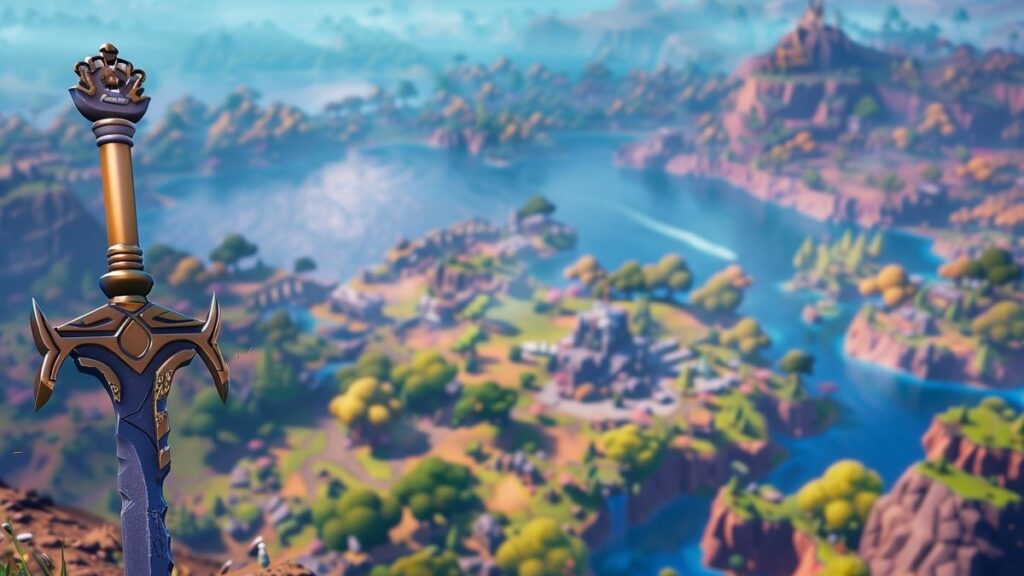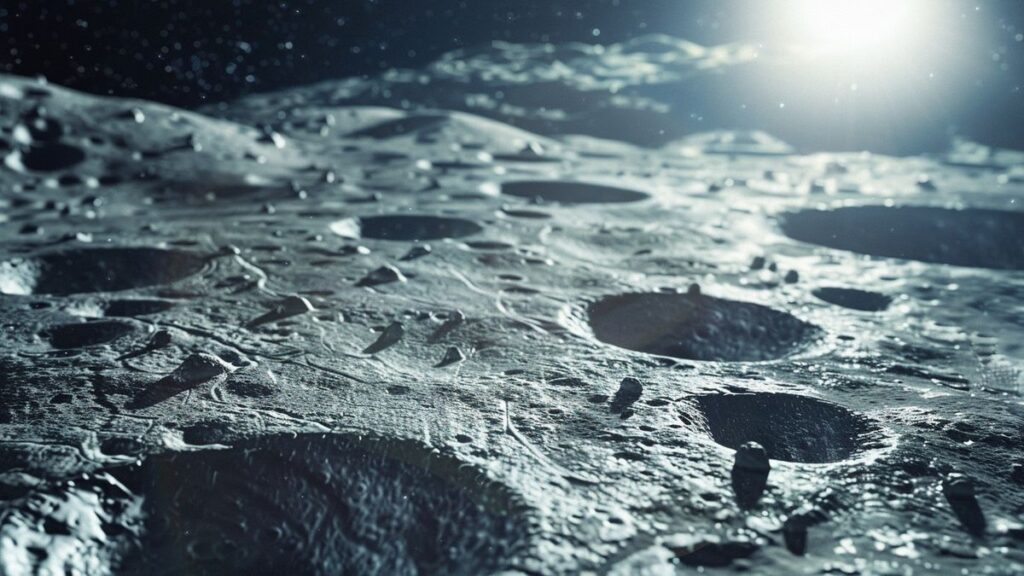
celebrating artemis ii doesn’t mean you need a rocket seat. open fortnite and drop into lunar horizons, a clean, science-forward island built with the european space agency and tested by trainee astronauts. it’s a calm, hands-on moon surface simulation set near the south pole, where low-gravity movement changes how you read every slope and shadow.
you’ll place modules for a lunar habitat base, drive robotic rovers, and stop at info plaques that keep the facts short and readable. watch the clock, though: solar storms can roll in without warning. honestly, it’s the kind of session where you say “ok, one more run”, then you’re still there ten minutes later.
How does Fortnite celebrate Artemis II without copying NASA content?
Getting hyped for Artemis II is easy, but staying accurate matters. Fortnite isn’t recreating a NASA mission step-by-step and it doesn’t need to. What it offers right now is a themed, educational Creative experience that lets you hang around a stylized lunar setting while the real-world conversation about crewed lunar flight is happening. The best example is Lunar Horizons in Fortnite Creative, a collaboration between Epic Games and the European Space Agency (ESA). It’s presented as a learning-focused simulation of the Moon’s South Pole region, built with gameplay-first choices rather than documentary footage or mission audio. That distinction keeps things respectful, avoids confusion, and makes it safe to enjoy if you’re following space news closely.
What I appreciate, as someone who spends a lot of time in Fortnite, is that the “tribute” vibe comes from atmosphere and interaction, not from lifting real mission assets. You roam across dusty terrain with low-gravity movement, you read informational markers, and you see how agencies talk about lunar research, surface operations, and constraints like power, shelter, and communications. There’s also a playful tension: a solar storm can show up and force you to react. It’s not a scare tactic; it’s a game mechanic that nudges you to think about hazards astronauts plan for. If you want the most honest way to celebrate Artemis-era Moon goals inside Fortnite, this is it: a grounded learning map that keeps the line clear between entertainment and real spaceflight, while still feeling immersive enough to talk about with friends after a match.
Where can you find the Lunar Horizons Moon map in Fortnite?
If you’re trying to jump in today, the path is straightforward, and you don’t need any special pass beyond having the game installed. Lunar Horizons island lives inside Fortnite Creative via the Discover and Search flow. On PC it’s the same Fortnite client you get through the Epic Games ecosystem, and on console it’s the standard download from your device’s storefront. Once you’re in, you’ll scroll through the usual mix of modes until you reach the Search option, where you can type the map name or enter a code. For this specific lunar experience, the published island code is 3207-0960-6428. I’ve shared that code in party chat more than once because it saves time; typing “Lunar Horizons” works too, but search results can shift depending on what’s trending.
One practical note that avoids disappointment: this is not an Artemis II mission simulator with official NASA tasks. It’s an educational Moon surface simulation built in the Creative ecosystem, with ESA framing and Fortnite-friendly systems. Treat it like a themed field trip you can do with your squad, not a checklist of real mission events. That mindset makes the experience smoother, and honestly, more fun.
- Install Fortnite on PC or console so Creative maps load properly.
- Open Discover and locate Search in the menu flow.
- Enter 3207-0960-6428 or search Lunar Horizons by name.
- Queue in solo or with friends to compare notes on Moon facts you find.
- Adjust audio and brightness; lunar terrain details can be subtle.
What can you actually do on the Moon island in Fortnite Creative?
The immediate draw is movement and scale. Fortnite’s low-gravity feel turns simple traversal into a satisfying rhythm: you’ll do long hops, line up careful landings, and cover ground in a way that makes the Moon feel different from any standard Battle Royale POI. The map leans into lunar surface simulation through interactive learning points: informational plaques, agency references, and context about why the Moon’s South Pole is discussed so often in science news. It’s the area tied to long-term research conversations around illumination conditions and resources, and the map uses that real-world curiosity as a backdrop without pretending to be a perfect scientific tool. That balance is healthy, because Fortnite is still Fortnite: it needs flow, readable objectives, and moments that keep players moving.
What keeps people from just doing a quick lap and leaving is the set of systems layered on top. You can build out a sterile lunar habitat concept, interact with astronaut-themed NPCs aligned with ESA, and mess around with robotic rovers that make the place feel operational rather than empty. The “danger” element is handled through the possibility of a solar storm, which adds a gentle urgency. You’re not getting a lecture; you’re getting prompts that make you react, regroup, and continue learning. I’ve watched teammates who normally skip story text pause to read plaques here, mostly because the info is short, well-placed, and tied to what they’re doing in the moment.
From an SEO standpoint, if you’re searching terms like Fortnite Moon map, Lunar Horizons code, ESA Fortnite collaboration, or educational Fortnite Creative, this island is the one that matches those queries cleanly. From a player standpoint, it’s a change of pace: fewer sweaty reflex checks, more “walk around, notice details, share screenshots, talk space stuff for five minutes,” then jump back into your usual modes.
Is Lunar Horizons accurate, or just a fun sci‑fi theme map?
It sits in the middle, and that’s not a bad thing. Lunar Horizons is framed as an educational simulation, and it was tested and played with input from ESA trainee astronauts, which gives it more credibility than a random sci-fi build. Still, accuracy here means “aligned with real concepts” rather than “a scientific instrument.” The environment is designed for clarity and playability: terrain reads cleanly, the learning points are digestible, and the interactive pieces are there to keep you engaged. That approach helps players absorb real ideas: the Moon isn’t just gray dust; it’s a place with operational constraints, risk planning, and long-term research goals tied to international space agencies.
Where it’s especially honest is how it avoids claiming it’s tied to a live Artemis II mission inside Fortnite. There’s no official “Artemis II questline” you’re completing, and that’s worth stating plainly so nobody confuses fiction with current events. What you get instead is contextual learning: plaques that mention lunar research themes, interactions that echo real planning topics like habitats and rovers, and hazards such as a solar storm event that pushes you toward shelter and regrouping. The map uses recognizable spaceflight ideas without borrowing protected media, mission audio, or anything that would blur ownership or editorial lines.
If you’re watching the broader Artemis narrative and you want a companion experience that’s safe, neutral, and not sensational, this is a solid pick. And if you’re playing with kids or younger teens, it’s one of the rare Fortnite spaces where you can actually say, “Read that sign, it’s short,” and they might do it. That’s not a miracle, it’s just decent design. The takeaway is simple: educational Fortnite content can be entertaining without pretending to be official mission coverage.
What’s the best way to enjoy Artemis II hype with friends today?
If your group is already in Fortnite most nights, the easiest plan is to treat Lunar Horizons as a shared side activity: short session, voice chat on, everyone pointing out what they notice. Set expectations: you’re not chasing Victory Royales here, you’re messing with low gravity, scanning plaques, trying rovers, and reacting if the solar storm kicks off. That shift in pacing is honestly refreshing. I’ve done it after a run of intense matches, and it resets the mood; people talk more, joke more, and you end up swapping real facts you didn’t expect to hear in a Fortnite lobby. “Wait, the South Pole is the big topic?” Yep, and the map gives you enough context to understand why without dumping a textbook on you.
| Goal in Fortnite | What to do on Lunar Horizons | Keyword angle for search |
|---|---|---|
| Learn Moon basics fast | Read plaques, follow the path, compare facts in chat | Fortnite educational map, Moon facts |
| Play co‑op without sweat | Move as a group, try rovers, build habitat pieces together | Lunar Horizons Fortnite, Creative co‑op |
| Add a challenge moment | React to the solar storm, regroup, then continue | Fortnite Moon island, solar storm event |
Conclusion
Celebrating Artemis II in Fortnite is a fun way to get closer to lunar science without pretending it’s a real mission. The Lunar Horizons island focuses on the Moon’s South Pole terrain, mixing gameplay with short facts you can actually use, and yeah, it feels surprisingly calm at times.
You can set up a sterile lunar habitat, drive robotic rovers, and react to hazards like a solar storm. If you want to join, just open Fortnite’s Discover search and enter 3207-0960-6428. Honestly, it’s a clean, respectful nod to real space work, with enough interactivity to keep it moving.
Sources
- NASA. « Artemis II ». NASA, s.d. Consulté le 2026-04-13. Consulter
- European Space Agency (ESA). « Lunar Horizons ». European Space Agency, 2024-02-22. Consulté le 2026-04-13. Consulter
- Epic Games. « Fortnite Creative ». Epic Games, s.d. Consulté le 2026-04-13. Consulter
Source: tech.yahoo.com

Inima, 35 years old, passionate about Fortnite. Always ready to take on challenges and share intense moments in the gaming world.