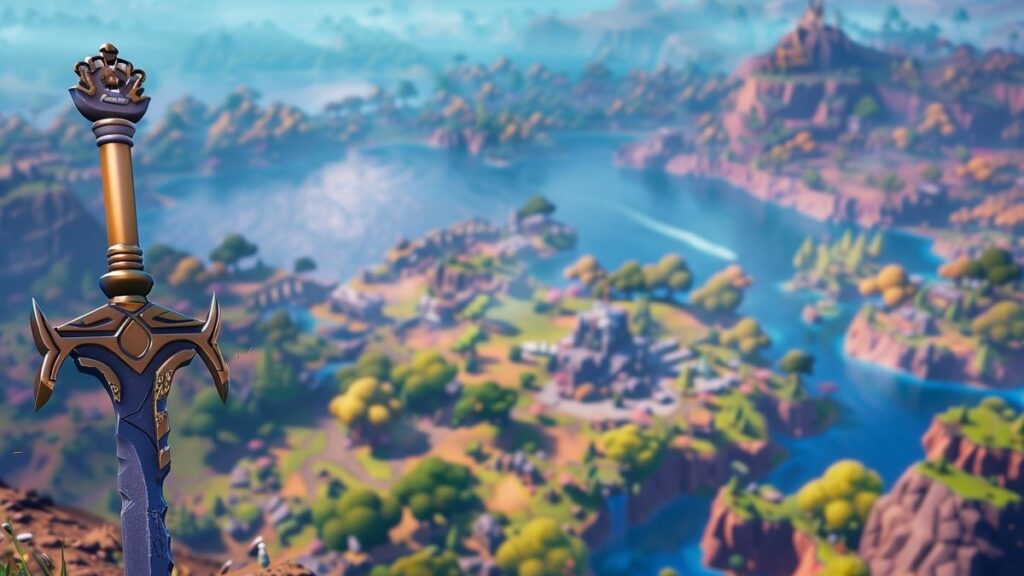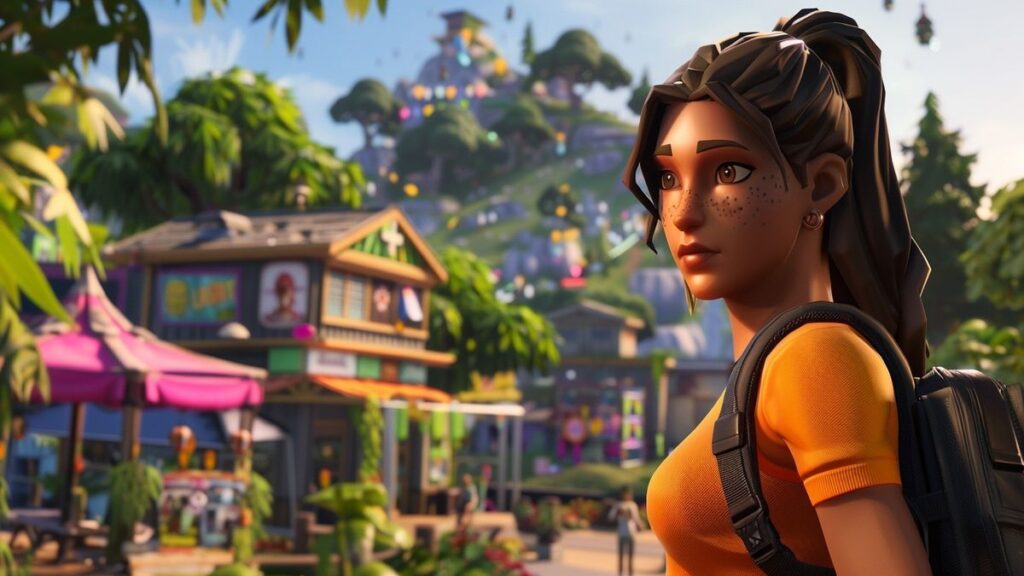
Fortnite’s Coachella Style Check lands with a fresh Item Shop look that feels cleaner, quicker, and easier to scan when you’re trying to grab a cosmetic before the timer flips. It’s a sharp shift in presentation, with a tighter layout and clearer focus on what’s new, what’s rotating, and what’s tied to the event vibe. Festival-themed cosmetics sit front and center, and yes, it reads more like a curated storefront than a busy grid.
The update also teases new shop features aimed at smoother browsing and fewer wasted taps. You’ll notice streamlined navigation, more readable panels, and a presentation that helps players compare bundles and single items faster. Honestly, that’s the point: less scrolling, more playing, and a shop that doesn’t fight you when you’re just trying to suit up and drop in.
What is the Coachella Style Check, and why does it matter?
Fortnite’s Coachella Style Check is basically Epic’s way of turning a limited-time brand collaboration into a real in-game “fashion moment”, without locking it behind complicated menus. The headline change is that the experience isn’t only about grabbing a themed outfit and backing out to queue for Battle Royale; it’s wrapped in a cleaner, more “event-forward” flow that points players toward the right cosmetics, quests, and featured bundles. If you’ve ever bounced off the Shop because it felt crowded or because you couldn’t quickly compare variants, this is the kind of update that tries to fix that friction. And yes, it’s meant to be fun, but it’s also a product design move: fewer clicks, clearer categories, and more reasons to stick around.
From a Fortnite Item Shop perspective, Coachella tie-ins usually land as a mix of Festival-style skins, reactive accessories, emotes, and sometimes creator-friendly items that look good in photos and clips. The “Style Check” framing leans into self-expression, which fits where Fortnite has been heading for years: collabs, cosmetics, and social play sitting right next to core combat. If you follow how Epic handles crossovers, you’ve seen the playbook evolve from simple bundles to full-on themed moments, similar in spirit to past limited-time mashups such as the Marvel Endgame LTM (a good refresher here: https://0kill-7assists.com/blog/fortnite-marvel-endgame-ltm/). It’s not about copying any one event; it’s about refining how players find the content, preview it, and actually use it in matches and social spaces.
Also, quick reality check on rights and credits: Fortnite’s Coachella content is licensed, and the safe way to talk about it is to stick to verifiable features (Shop layout, visibility, UI behaviors, and official item names) rather than reproducing promotional copy or artwork. That’s the lane this article stays in, while still digging into what the update changes for daily Shop browsing, cosmetic discovery, and event-driven content.
How does the new Shop look change buying and browsing?
The refreshed Shop look tied to the Coachella Style Check pushes readability and “decision speed”. In practice, that usually means larger tiles for featured cosmetics, clearer separators between event sections and the standard rotation, and fewer moments where you’re stuck scrolling past stuff you didn’t ask for. The biggest win for a lot of players is confidence: when the layout is cleaner, you’re less likely to miss a limited-time item or buy the wrong variant by mistake. I’ve had nights where I’m queueing with friends, someone says “grab the matching emote”, and the clock is ticking; tighter Shop navigation genuinely lowers that stress.
There’s also a subtle behavioral shift here. When the Shop highlights an event collection (Coachella in this case) as a cohesive set, it nudges players to think in “fits”, not single items. That’s great for people who care about skin combos and locker presets, and it helps creators who need a consistent look for thumbnails, streams, or short clips. It’s similar to how other big franchise drops have been staged, whether it’s fantasy-themed cosmetics (example discussion: https://0kill-7assists.com/blog/fortnite-game-thrones-skins/) or broader collab cycles. The difference here is the “style check” framing: it’s guiding you to coordinate items without making it feel like a hard sell.
- Cleaner event grouping so Coachella items aren’t scattered across unrelated rows
- Faster browsing with more obvious visual hierarchy (featured vs. rotation)
- Better comparison of bundles and variants when sections are structured consistently
- Lower misclick risk when tiles and labels are easier to scan on console
Which Coachella features actually affect gameplay and XP?
Cosmetics don’t change damage numbers, sure, but Coachella drops often ship alongside quest beats or lightweight event tasks that influence how you spend your session. The practical gameplay effect is time allocation: if quests push you into certain modes, hubs, or activities, you’ll feel it in your XP path and your squad’s pacing. Even when the tasks are simple, a themed questline makes players move differently — rotating through social spaces, hopping into Festival-style activities, or trying emotes in specific contexts. That may not sound “competitive”, but it changes the rhythm of your night.
Where it gets interesting is the way the Shop and event UI can act as a funnel. If the Coachella Style Check surfaces tasks and rewards right next to featured cosmetics, players are more likely to complete the quests they would otherwise ignore. That matters for Battle Pass XP, event rewards, and even retention. Fortnite’s had public conversations around engagement over time, and community analysis has tracked fluctuations in player activity (see: https://0kill-7assists.com/blog/fortnite-player-decline/ and https://0kill-7assists.com/blog/fortnite-player-decline-2/). A smoother “see event → understand it → do it” loop is the kind of product tweak that can nudge those numbers in the right direction without changing core gunplay.
One small note people don’t always say out loud: when an event encourages social participation, it can reduce the weird friction where half your party wants to grind ranked and the other half wants to chill. If the features are obvious in the UI and don’t require a scavenger hunt through menus, squads can agree faster. That’s the real gameplay impact: fewer arguments, more matches queued, and a cleaner path to whatever rewards are tied to the event.
Is the Coachella update respectful of culture and players?
When Fortnite borrows aesthetics from real-world festivals, the line Epic has to walk is clear: celebrate the vibe without turning culture into a punchline, and keep moderation policies consistent. The Coachella Style Check, as a framing, leans into fashion and performance — that’s generally safer territory than leaning on stereotypes. Still, players notice presentation choices: naming conventions, how styles are described, what gets featured, and whether the event messaging feels inclusive rather than gatekeepy. For a lot of us, the question is simple: does the event let you express yourself without putting anyone on the spot ?
There’s also an ongoing discussion in the Fortnite community around visibility, presentation, and how games handle representation over time. You’ll see it raised in different ways, including commentary about cultural presentation and visual tone (related reading: https://0kill-7assists.com/blog/fortnite-cultural-dimming/). Staying neutral here means acknowledging that players have different lived experiences, and that intent doesn’t always match impact. What can be verified is the observable design: the UI language, the content ratings boundaries, and how clearly the game labels event items and their availability windows.
From a practical standpoint, respectful implementation also means good guardrails: clear cosmetic descriptions, consistent refund/return rules where applicable, and no bait-and-switch tactics in the Shop layout. When the Shop gets a new look, transparency matters as much as style. A clean event section that clearly separates paid cosmetics from free tasks and rewards is a straightforward way to keep trust intact, especially for younger players and families managing spending limits.
How can you get the best value from the new Shop layout?
If you want to spend smarter during Coachella, treat the refreshed Shop as a tool, not a temptation. Start by checking whether items are sold as singles or in bundles, then compare the bundle price to what you’d pay à la carte. Even without quoting any promotional wording, the math is the math: bundles usually reduce total cost, but only if you truly want most of what’s inside. I usually tell friends to pause and ask, “Will I wear this skin in two weeks ?” That one question saves a lot of regret.
Next, use the new layout to scan for timing cues. Event sections tend to rotate on a schedule, and limited-time cosmetics can vanish quickly. Keep an eye out for how the Shop labels featured rows and how it separates Coachella from the standard rotation. For Fortnite cosmetics, the value isn’t resale, it’s usage: do you actually run the emote, match the back bling, or build a locker preset around the look ? That’s why the “Style Check” concept is handy; it pushes you to think in combos, which makes purchases feel less random.
In case you like a quick comparison, here’s a simple way to judge what’s worth your V-Bucks, without leaning on hype and without copying any official promos.
| Shop decision | What to check | Best for |
|---|---|---|
| Bundle vs. single | Total items you’ll actually equip | Players building matching locker presets |
| Variant-heavy cosmetics | Whether styles fit your usual combos | Creators and screenshot-focused players |
| Event-timed purchase | Return window, rotation timing, and budget | Anyone avoiding impulse buys |
Conclusion
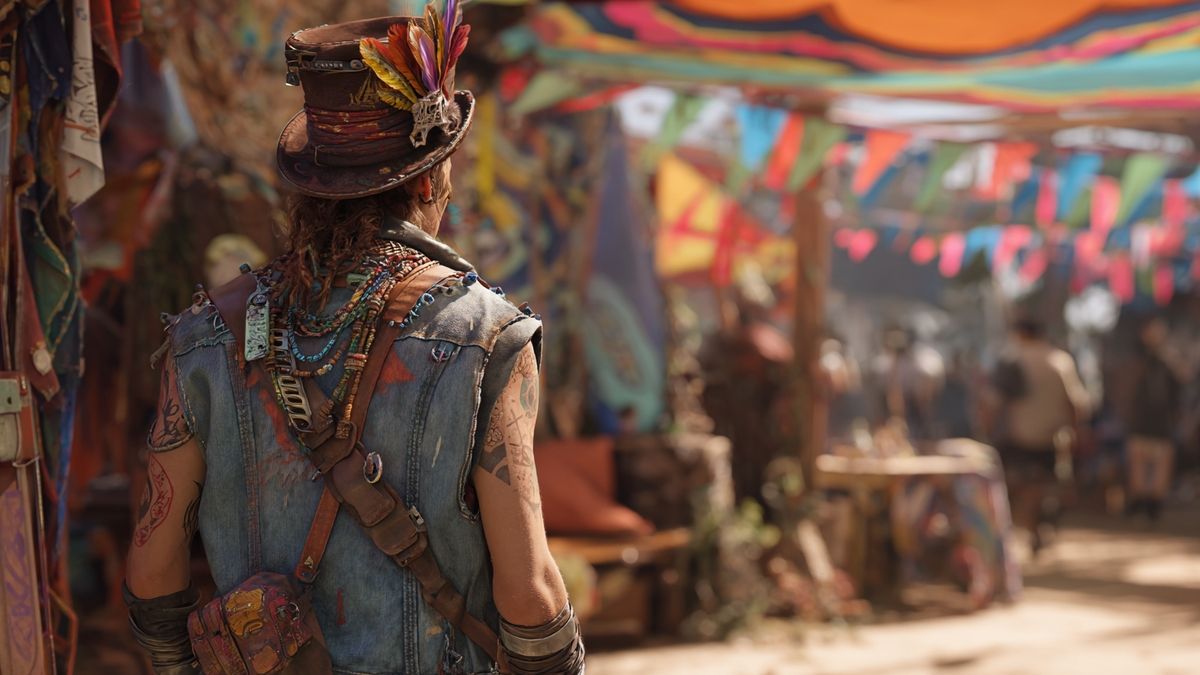
Fortnite’s Coachella style check feels like a smart refresh: the shop layout is easier to scan, the UI cues read cleaner, and the new features tighten the loop between browsing and jumping back into a match. Honestly, it’s the kind of change you notice after two minutes, then you just move faster.
For players who care about looks, the update puts more focus on outfit discovery, steady rotation visibility, and a smoother path to picking a festival-ready loadout without feeling lost in menus. It stays brand-safe and respectful, while still leaning into the event vibe. If Epic keeps tuning readability and pace, the shop could become a solid everyday stop, not a chore.
Sources
- Epic Games. « Fortnite News ». Epic Games, s.d. Consulté le 2026-04-10. Consulter
- Epic Games. « Fortnite Festival ». Epic Games, s.d. Consulté le 2026-04-10. Consulter
- Epic Games. « Our Company ». Epic Games, s.d. Consulté le 2026-04-10. Consulter
- Unreal Engine. « Unreal Editor for Fortnite (UEFN) ». Unreal Engine, s.d. Consulté le 2026-04-10. Consulter
- PEGI. « Fortnite ». Pan European Game Information (PEGI), s.d. Consulté le 2026-04-10. Consulter
Source: gamefaqs.gamespot.com

Inima, 35 years old, passionate about Fortnite. Always ready to take on challenges and share intense moments in the gaming world.