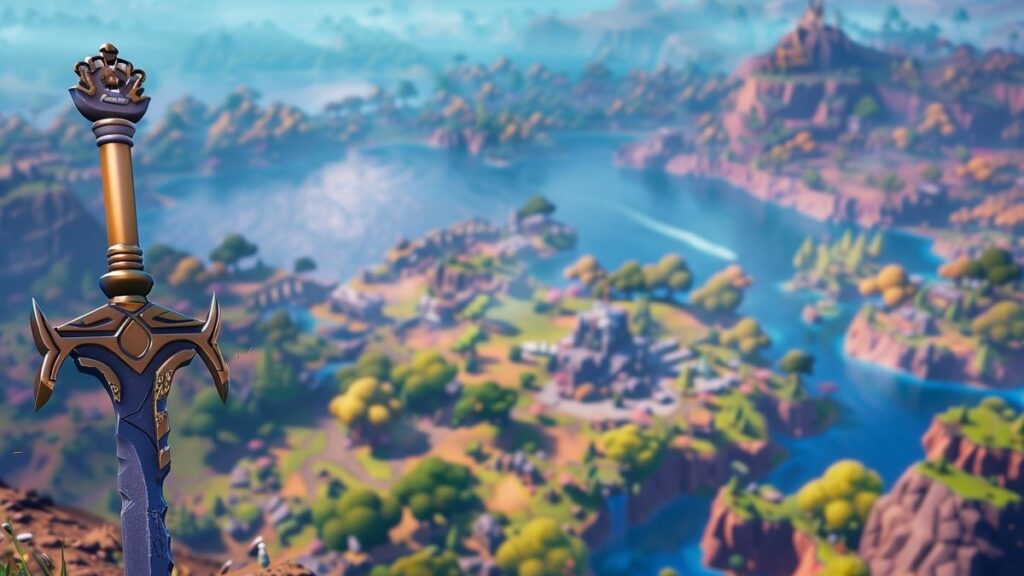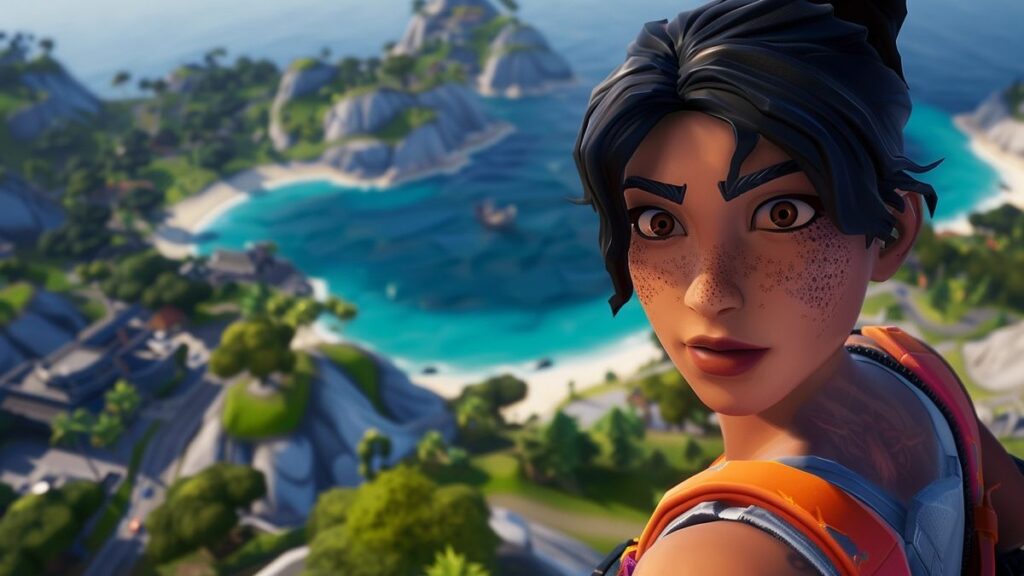
Fortnite accélère sur les crossovers gaming et ça se voit déjà : Epic met en place un programme officiel reliant l’Epic Games Store à des cosmétiques Fortnite offerts à l’achat de certains jeux. Dit simplement : tu prends un titre sur l’Epic Games Store, tu récupères un bonus utilisable dans Fortnite. Une passerelle directe entre achat et récompense, sans détour.
Le rythme annoncé est clair : environ 40 partenariats cette année, avec une montée vers plus de 100 par an à terme. Le lancement démarre avec Resident Evil Requiem fin février, et d’autres éditeurs sont déjà cités pour la suite. “Ok, là on sent qu’ils veulent frapper fort”, diront certains joueurs, entre curiosité et calcul des skins à venir.
Cette stratégie s’inscrit dans un contexte de croissance sur PC : dépenses record sur des jeux tiers et utilisateurs mensuels en hausse, pendant que le programme de jeux gratuits continue. En parallèle, Epic promet un launcher PC plus rapide et plus stable cet été. Et franchement, si l’appli devient “snappy”, ça change la donne.
How is Fortnite gearing up for a bigger wave of game crossovers?
Across the last few seasons, Fortnite crossovers have gone from “nice surprise” to a clear, steady strategy, and 2026 is shaping up to push that even further. Epic has outlined an official program designed for video game collaborations tied directly to purchases on the Epic Games Store. The concept is simple for players: you buy a partnered game on EGS, you receive a related Fortnite cosmetic you can use in-game. Not a vague promo code floating around social media, not a lottery thing—an actual structured partnership track that studios can plug into.
What makes it feel different this time is the scale Epic is openly aiming for. Epic Games Store leadership has publicly discussed a roadmap that starts around 40 partnerships in the near term, with a stated ambition to grow toward over 100 partnerships per year as the system matures. For players, that means more steady drops, not just the occasional headline crossover. For studios, it’s a clean incentive loop: sell games on EGS, fuel interest through Fortnite, and keep both communities talking. And yes, as someone who spends too many late evenings tracking shop rotations and collab rumors, I can tell you the “what’s next?” energy is already back—people are scanning every patch and promo page because the cadence is clearly accelerating.
Epic’s broader store numbers help explain why they can support this push. The company has highlighted that spending on third-party PC games on EGS rose sharply year over year to an all-time record of $400 million, alongside an all-time record of 78 million monthly active users on PC. That’s a big enough audience to make licensed cosmetics worthwhile, while keeping the program attractive for publishers that want visibility without guessing where the demand is.
Which publishers and games are linked to upcoming collabs?
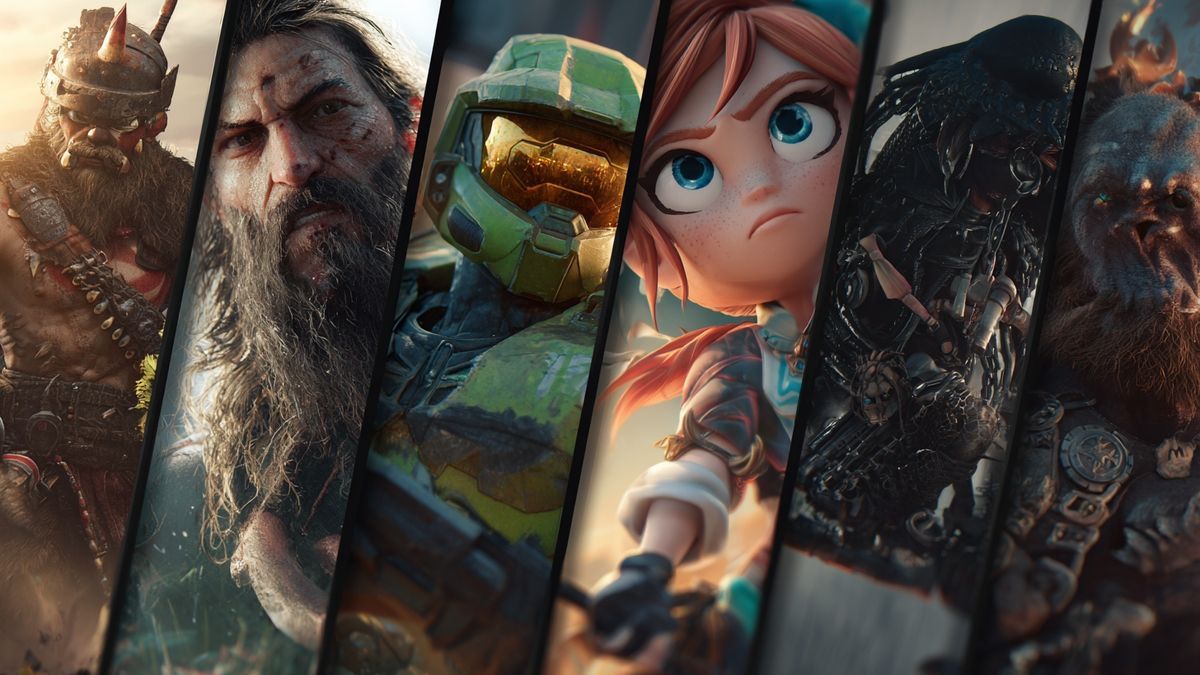
The program’s kickoff is tied to Capcom’s Resident Evil Requiem, with a launch date publicly stated as February 27, and it’s positioned as the first example of this “buy on EGS, get a Fortnite item” pipeline. Epic has also named several publishers with crossover work in motion, including miHoYo, Pearl Abyss, S-Game, MintRocket and Kakao Games. When Epic lists partners this openly, it usually signals that contracts and marketing beats are far enough along to plan around—though the exact form (skin, back bling, pickaxe, emote) can still vary wildly depending on each IP’s licensing rules and creative limits.
From a player’s perspective, the fun part is the range of tones these studios can bring into Fortnite. Capcom can lean into *horror aesthetic* and iconic silhouettes; the others open the door to *anime-styled heroes*, *MMO-inspired armor*, or more experimental visuals. There’s also a practical benefit for anyone who follows competitive play or content creation: you can often spot collab cosmetics quickly in replays and clips, which makes them a cultural marker inside the game, not just a shop listing. And speaking candidly, that social factor matters—when a collab hits, your lobby feels different for a week. You see it in fill squads, you hear it on comms, you catch it on stream thumbnails.
- Capcom : lancement lié à Resident Evil et à une intégration cosmétique côté Fortnite
- miHoYo : potentiel fort sur des personnages stylisés et accessoires très identifiables
- Pearl Abyss : passerelle plausible vers des cosmétiques “fantasy” plus détaillés
- MintRocket et Kakao Games : profils variés, propices à des collabs plus surprenantes
Why tie Fortnite cosmetics to Epic Games Store purchases?
There’s a clear logic behind linking Fortnite cosmetics to purchases on the Epic Games Store rather than treating crossovers only as item-shop events. Epic gets a direct lever to influence where players buy PC games, especially when the alternative is often Steam. If a player is already on the fence, a themed skin, pickaxe, or other in-game cosmetic reward can be the nudge that tips the decision toward EGS. It’s not framed as a punishment for buying elsewhere; it’s a bonus where Epic controls the full pipeline: storefront, entitlement, and Fortnite inventory delivery.
This approach also gives publishers a more measurable campaign. Instead of hoping a collab “boosts awareness,” they can track how a crossover incentive affects conversion on a specific store. For smaller studios, that can be real visibility in a crowded market; for bigger publishers, it’s another marketing surface backed by Fortnite’s reach. Epic has also emphasized that its free games program remains a major acquisition engine—users claimed 662 million titles through it, and the company has said it will continue through 2026. That matters because it keeps the EGS audience large and refreshed, which makes these crossover bonuses more attractive over time. Put plainly: if the store keeps feeding new users in, the collab program has more people to convert, and that’s a stronger pitch to partners who need scale.
How will Epic speed up the launcher to support this strategy?
There’s a less flashy piece of this story that still affects every crossover: the Epic Games Store launcher experience on PC. Epic has acknowledged long-running complaints that the launcher can feel slow, and it has said it plans to rebuild underlying architecture as part of a set of updates expected over the summer. The goal described publicly is a launcher that feels “instant” and “snappy”, with faster load times and improved stability. That matters for crossovers because the smoother the store feels, the fewer drop-offs you get between “I want that collab item” and “I completed the purchase and installed the game.” Even small friction points—extra seconds of load, stalled libraries, clunky navigation—can chip away at conversion, especially when players are acting on hype and impulse.
On the player side, a faster launcher also helps the day-to-day reality of keeping Fortnite and other titles updated. Crossovers tend to spike downloads: people install a partner game for the reward, jump into Fortnite to equip the cosmetic, and then tell friends to do the same. If the launcher stutters during those peak moments, that buzz turns into complaints fast. And honestly, I’ve been there: you’re trying to stack updates before a squad night, and your tolerance for sluggish UI is basically zero. A more responsive launcher would make these partnership drops feel smoother end-to-end, which is exactly what Epic needs if it wants to scale the program toward triple-digit yearly collabs.
Epic is also pushing its mobile store efforts in parallel, and the numbers show both traction and hurdles. The mobile Epic Games Store has reportedly passed 50 million installs, still short of earlier targets, with Epic pointing to platform “scare screens” and onboarding friction as real barriers. Regulatory changes are expected to open distribution opportunities, with launches discussed for Japan in March and Brazil in June. If those rollouts go smoothly, that’s another channel where crossover promotions can land, and a larger funnel feeding into Fortnite’s cosmetic ecosystem.
What do leaks and rumors say about the next crossover theme?
Official partnerships are one thing, community speculation is another, and Fortnite thrives on that tension. Right now, one of the more discussed threads is the idea of a Kingdom Hearts crossover, which has been circulating in leak-focused coverage and fan conversations. If you want a snapshot of what people are watching, this report collects the chatter in one place: https://0kill-7assists.com/blog/fortnite-kingdom-hearts-leak/. To stay on the safe side legally and factually, it’s worth saying clearly: *a leak is not a confirmation*. Timelines shift, licensing talks can fail, and sometimes assets are placeholders. Still, leaks matter culturally because they shape expectations, and they can influence which cosmetics players save V-Bucks for week to week.
Quick reality check for players tracking crossover rumors
Treat datamines and leak reports as *signals*, not promises. The most reliable indicators stay the boring ones: partner announcements, store pages, and coordinated marketing beats. If you’re budgeting, keep your plan flexible and avoid spending based only on a rumor cycle.
To make this easier to follow without getting lost in the noise, here’s a straightforward way to separate verified Fortnite crossover news from *speculation*, using the same standards I apply when I’m deciding what’s worth sharing with friends versus what’s just fun talk in Discord.
| Signal type | How reliable it is | What you can do |
|---|---|---|
| Official partner announcement | High, tied to contracts and PR timing | Plan purchases and V-Bucks with confidence |
| Store-linked promo (EGS bonus) | High, because entitlements must be set up | Check dates, platforms, and eligibility rules |
| Leak / datamine report | Variable, can change or never ship | Follow for fun, avoid spending based only on rumors |
Conclusion
Fortnite s’apprête à accélérer sur les crossovers de jeux vidéo, via un programme lié à l’Epic Games Store : acheter certains jeux pourrait débloquer un cosmétique Fortnite associé. Le lancement est annoncé avec Resident Evil Requiem fin février, et Epic vise une montée en charge, avec des dizaines de partenariats annoncés sur les prochaines années.
Pour les joueurs, ça promet des collabs plus régulières et des récompenses plus simples à suivre. Côté boutique, l’idée est claire : rendre l’achat sur l’Epic Games Store plus tentant. Franchement, si les conditions restent transparentes, ça peut être une bonne surprise. Pour un aperçu des collaborations, voir aussi les partenariats Disney et Fortnite.
Sources
- Epic Games. « Epic Games Store Year in Review 2025 ». Epic Games, 2026-01-??. Consulté le 2026-02-17. Consulter
- Jay Peters. « Epic is bringing a lot more video game crossovers to Fortnite ». The Verge, 2026-02-??. Consulté le 2026-02-17. Consulter
- Epic Games. « Free Games ». Epic Games Store, s.d. Consulté le 2026-02-17. Consulter
- 0kill-7assists.com. « Madison Beer Fortnite ». 0kill-7assists.com, s.d. Consulté le 2026-02-17. Consulter
Source: www.theverge.com

Inima, 35 years old, passionate about Fortnite. Always ready to take on challenges and share intense moments in the gaming world.