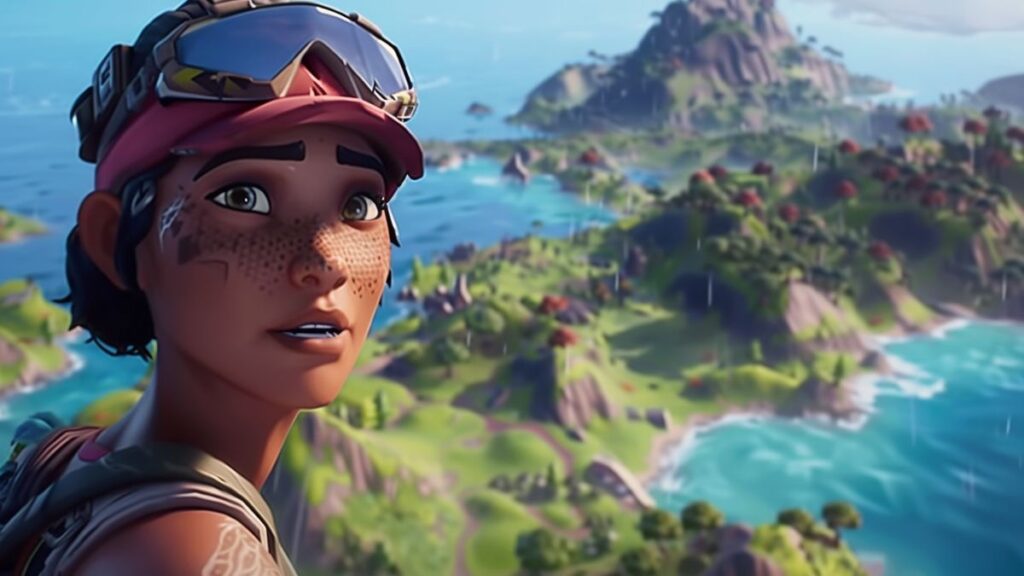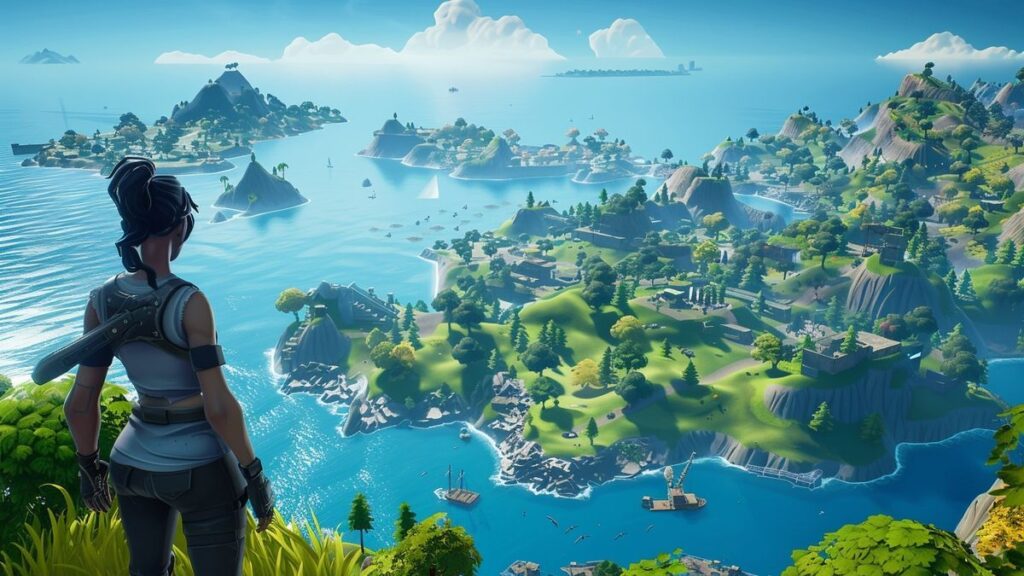
The Walking Dead in gaming didn’t arrive with a quiet handshake. It showed up in crossovers that felt immediate, hands-on, and built for players who wanted to step inside that tension, not just watch it. You’ve seen it in Fortnite crossovers, where familiar faces drop into a new kind of chaos, and in choice-driven story games that make you sit with the consequences. “Ok, that’s a different kind of stress,” is a real reaction when a decision sticks.
This isn’t about copying a show beat for beat. It’s about how zombie survival gameplay and licensed characters can reshape matches, loadouts, and even the vibe of a lobby. From creative-mode tools to horror-leaning multiplayer, these moments show how a franchise can cross into games without losing its edge. “Yeah, I didn’t expect that to work, but it really does.”
How did The Walking Dead change what gamers expected from zombies?
For a long time, zombie games leaned on the same loop: shoot, loot, repeat, throw in some gore, roll credits. Then The Walking Dead hit mainstream culture and quietly shifted the whole vibe. The big twist wasn’t “more undead” or “bigger bosses”, it was human tension—trust, scarcity, messy leadership, moral trade-offs. That tone didn’t stay on the page or on TV; it seeped into gaming crossovers where studios realized that players wanted story weight, not just headshots. It’s also why so many collaborations lean on recognizable symbols: a katana, a barbed bat, a sheriff’s hat. Those props instantly communicate stakes. Even if you’ve never read a comic issue, you still get the message: survival is personal, and the worst threats can be living people. Zombie survival storytelling became less about spectacle and more about consequence, and that’s a direct ripple from the franchise’s success.
What’s also worth saying, plainly, is that the franchise helped normalize the idea that licensed IP in games can feel respectful rather than tacked-on. When a crossover works, it doesn’t just paste characters onto another game’s map; it carries over the DNA: uneasy alliances, resource pressure, and that “keep moving” mentality. I’ve seen players who weren’t into horror at all still latch onto Walking Dead-themed content because it reads like a survival drama you can play. And yeah, it’s a business move, but it’s also a creative one when done right. The result is a new baseline for the genre: zombie fiction in gaming doesn’t have to be mindless to be fun, and it doesn’t need to be cynical to feel intense. Narrative-driven zombie experiences became a real expectation, not a bonus feature.
There’s a cultural layer too: The Walking Dead made “undead stories” easier to approach for people who usually avoid horror. That matters for gaming, because crossovers are often the first contact point. Someone might try a The Walking Dead crossover event inside a game they already play, then end up sampling other titles tied to the brand. It’s not about gatekeeping fandom; it’s about accessibility. When the franchise bridges into games, it often brings a shared language—survival, community, risk—that works across genres, from shooters to card games. Franchise-driven game events can be hit-or-miss, but Walking Dead’s themes translate well because they’re grounded in choices. And honestly, hearing friends argue over “what would you do in that situation ?” after a session… that’s when you realize the zombie genre got rewritten in a more human direction.
Quick reality check : This article discusses officially announced crossovers and widely reported release dates. It avoids quoting scripts, reproducing protected artwork, or using copyrighted text. (That’s the safe lane for IP and copyright.)
What made Fortnite’s Walking Dead collabs feel so memorable?
Fortnite x The Walking Dead hit a sweet spot because Fortnite already lives on cross-pollination. The first official drop landed on December 17, 2020, bringing Michonne and Daryl Dixon into the Item Shop as part of the “Survivors in Arms” set. The timing mattered: Fortnite’s audience was already used to big crossovers, so Walking Dead didn’t feel random, it felt like a natural next step. What made it stick was the way Fortnite treated the collab as a collection of identity signals—skins, variants, and cosmetics—rather than pretending it was a deep story chapter. That honesty actually helps. People could roleplay their own survival narrative in squads without the game needing a full-on questline. Battle royale crossover skins can fade fast, but these stuck around because they are instantly readable silhouettes in a chaotic match.
Then Rick Grimes arrived on October 10, 2021 during Fortnitemares, alongside a re-release of Michonne and Daryl. Fortnitemares already leans spooky, so Walking Dead fit the seasonal mood without forcing it. The bigger recent jolt came on April 5, 2025 when the comic version of Negan showed up with Lucille. That addition hit longtime fans right in the memory, because comic Negan has a specific look and energy that’s different from a purely TV-based take. And to be real, seeing Lucille referenced in a match is the kind of thing that makes your party chat light up. Fortnite Walking Dead cosmetics worked because they gave players social currency: “I was there when this dropped”, “I saved my V-Bucks for this”, “run a duo with Rick and Michonne”. Iconic survival-horror characters become status symbols in a shooter.
- Dec. 17, 2020 : Michonne and Daryl Dixon arrive in Fortnite with variants and cosmetics.
- Oct. 10, 2021 : Rick Grimes joins during Fortnitemares, with returning Walking Dead skins.
- Mar. 25, 2025 : UEFN creators gain access to Walking Dead-themed assets to build gameplay.
- Apr. 5, 2025 : Comic-style Negan appears, bringing Lucille into the mix.
- Creative angle : Templates like a walker NPC setup made custom zombie maps easier to prototype.
How did UEFN let creators build their own Walking Dead gameplay?
Fortnite’s crossover story isn’t only about skins; it also turned into a toolset moment. Starting on March 25, 2025, creators using Unreal Editor for Fortnite (UEFN) could build islands with The Walking Dead assets. That matters because it shifts the collaboration from “buy and wear” to “build and share”. The most practical part was access to starting points such as a Prison Starter Island and a Walker NPC Template. Templates don’t sound glamorous, but they save creators hours of setup, letting them focus on pacing, objectives, and atmosphere. And if someone wants to go fully custom, they can craft their own experiences from scratch, using the tools to shape lighting, spawns, and encounters. UEFN zombie survival maps work best when the rhythm feels tense but fair, and these assets give that Walking Dead flavor without copying any TV scenes or comic panels.
From a player’s perspective, this is where the “bridge into gaming” feels most alive. Instead of passively consuming a crossover, players jump into a rotating menu of community-made islands that interpret Walking Dead vibes in totally different ways: tight corridors, scavenging routes, defend-the-gate holdouts, or story-lite escape runs. Some maps are brutal and sweaty, others are basically hangout spaces with roleplay. Either way, it pushes user-generated zombie content into the spotlight. I’ve had sessions where the group spent longer debating which route to take than actually fighting, which is hilariously on brand for Walking Dead energy. The best creators use sound design, limited ammo concepts, and “help your teammate” mechanics to drive tension. Community-built horror gameplay tends to be more experimental than studio content, and that’s the point: it’s a sandbox where the franchise’s themes can be remixed safely, without stepping into copyright trouble by reproducing protected story material.
Which other games brought The Walking Dead into new genres?
Outside Fortnite, the franchise has shown it can translate across genres without losing its identity. Minecraft did an early official nod back in 2014 with Walking Dead character skins for the Xbox 360 Edition. It’s old-school, sure, but it’s a clean example of how a blocky sandbox can still support that survival fantasy through player imagination. Then there’s Magic: The Gathering, where Wizards of the Coast used The Walking Dead to help launch the Universes Beyond direction in October 2020 via “The Walking Dead Secret Lair”. What made it stand out is that these weren’t just cosmetic re-skins; the cards were designed as distinct game pieces, including the introduction of “Walkers” as a type, which fits the brand while respecting Magic’s own systems. Trading card game crossovers live or die on mechanics, and this one got people talking because it felt purpose-built, not stapled on.
Telltale’s The Walking Dead is the other major marker, because it proved that the franchise could thrive in choice-based narrative games. The series gave players new leads like Lee, Clementine, and Javier, while also featuring familiar faces in certain entries (like a focus on Michonne). It’s less about twitch skill and more about the stress of deciding who gets saved, who gets trusted, and what “doing the right thing” even means when everything’s falling apart. That design philosophy—choices with consequences—became a reference point for story games well outside horror. Interactive drama survival games are tricky to pull off without feeling fake, yet Telltale’s approach was grounded enough that people still argue about their decisions years later. And honestly, when a game makes you pause the controller and just stare at the screen for a second, it’s doing something real.
Then you’ve got Dead by Daylight, which keeps stacking recognizable horror crossovers. On July 29, 2025, Rick and Michonne entered the fog as survivors, with a Daryl Dixon legendary skin and new perks tied to the characters. Reactions were mixed in the community, and that’s normal in live-service spaces where balance and tone are always under debate. Still, it’s a clear sign of how flexible The Walking Dead brand is: it can sit inside a competitive horror loop without needing to retell its original plot. The Walking Dead in horror multiplayer works when it leans on fear, teamwork, and escape pressure—three things the franchise has always handled well. Licensed survivors and perks also give players a practical reason to engage, not just a cosmetic one.
When did World War Z deliver the biggest Walking Dead event?
The most “event-sized” crossover in recent memory landed in World War Z on January 29, 2026, when the game launched a large Walking Dead-themed DLC collaboration. The headline is the roster: Rick, Michonne, Daryl, and Negan joining the action. But the deeper hook is how the event leaned into recognizable settings and tools while staying within the host game’s structure. Players could fight through locations associated with the show, including the Prison, Alexandria Safe Zone, and Grady Memorial Hospital. That kind of setting swap matters because World War Z is built around cooperative waves and pressure, so placing you in familiar-feeling spaces is a shortcut to tension. It’s not recreating episodes; it’s borrowing the survival texture. Co-op horde shooter crossovers work best when they keep the loop intact, and this one did that by adding targets and scenery that match the tone.
| Crossover element | What players received | Why it mattered in gameplay |
|---|---|---|
| Playable characters | Rick, Michonne, Daryl, Negan | Immediate team identity and roleplay in co-op runs |
| Locations | Prison, Alexandria Safe Zone, Grady Memorial Hospital | Adds scenario flavor without changing the core horde formula |
| Weapons | Michonne’s katana, Negan’s bat Lucille, extra weapon skins | Fresh close-range options and cosmetic chase targets |
Conclusion
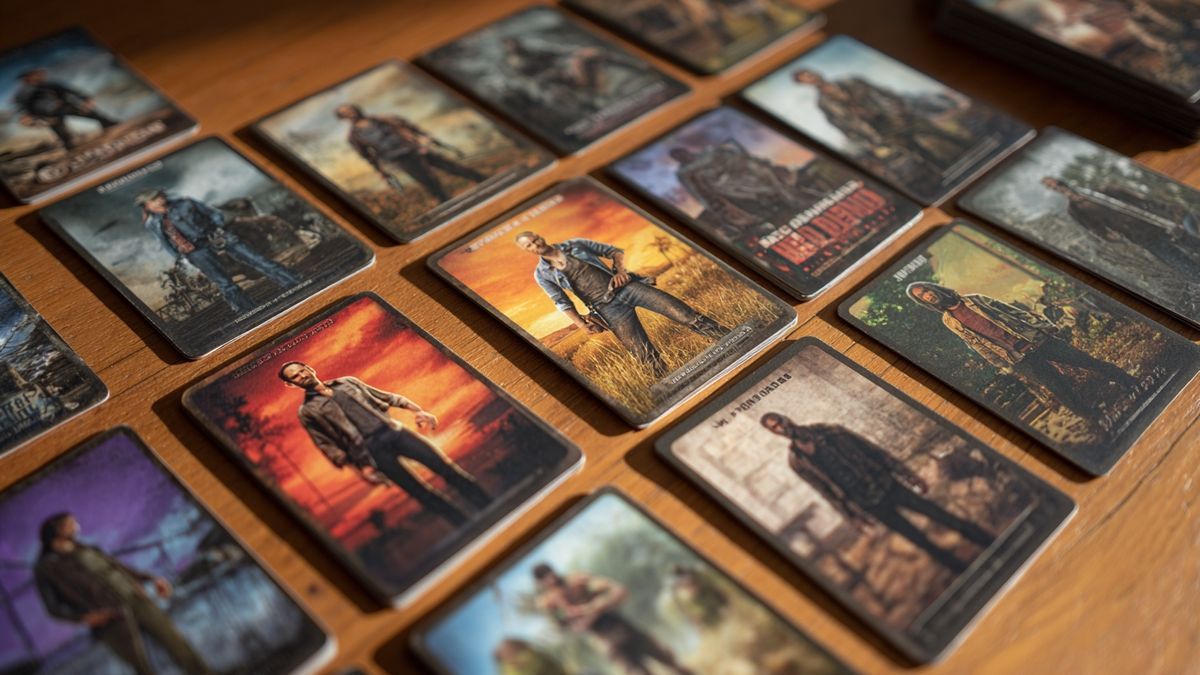
Across the years, The Walking Dead crossovers showed how one story can shift between formats without losing its bite. Whether it was Fortnite skins and UEFN templates, Minecraft-era cosmetics, or story-driven entries from Telltale, each drop kept the tone familiar while fitting the host game’s rules. You can feel the craft when details land: a signature weapon, a recognizable location, a small mechanic twist.
The coolest part, honestly, is the range. Dead by Daylight survivor perks, Magic: The Gathering Universes Beyond cards, and that World War Z event featuring key characters and gear all prove the brand can flex without forcing it. For players, it’s a clean way to revisit characters you know, with fresh gameplay moments that still respect the source.
Sources
- Epic Games. « Fortnite x The Walking Dead ». Epic Games, 2020-12-16. Consulté le 2026-03-02. Consulter
- Mojang Studios. « Minecraft Marketplace ». Minecraft, s.d. Consulté le 2026-03-02. Consulter
- Saber Interactive. « World War Z: Aftermath ». Saber Interactive, s.d. Consulté le 2026-03-02. Consulter
- Wizards of the Coast. « Secret Lair x The Walking Dead ». Magic: The Gathering, s.d. Consulté le 2026-03-02. Consulter
- Telltale Games. « The Walking Dead ». Telltale Games, s.d. Consulté le 2026-03-02. Consulter
- Behaviour Interactive. « Dead by Daylight ». Dead by Daylight, s.d. Consulté le 2026-03-02. Consulter
Source: tech.yahoo.com

Inima, 35 years old, passionate about Fortnite. Always ready to take on challenges and share intense moments in the gaming world.