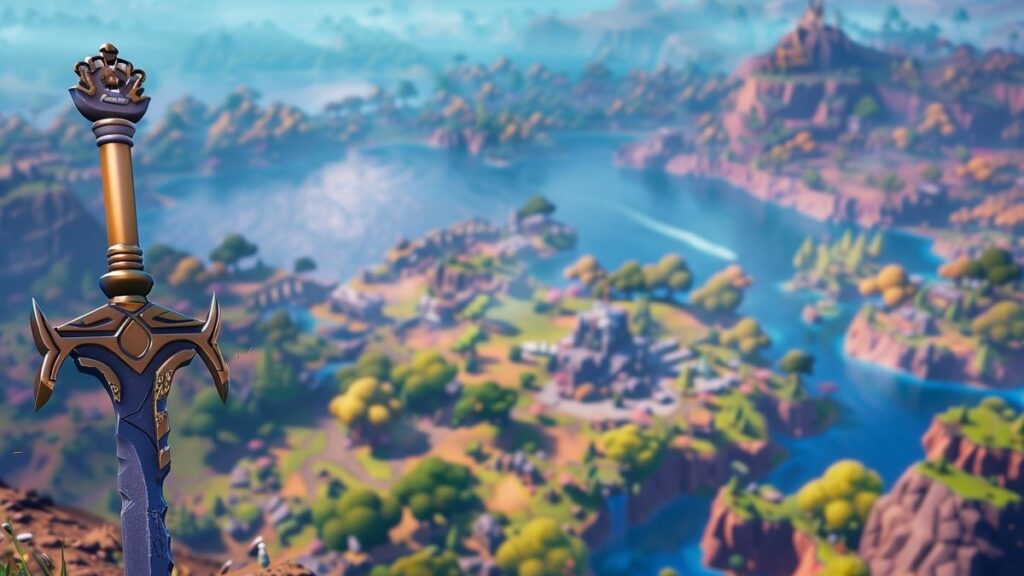
Epic Games isn’t vanishing overnight, but the cracks are harder to ignore. After major layoffs tied to softer Fortnite engagement, the “forever game” story feels less certain. Some players still swear the island will last forever. Others look at the numbers and say, “wait… are we watching the start of a slow slide?” Live-service fatigue and shifts in player attention don’t care about legacy.
Analysts point to platform holder power, rising consumer costs in the U.S., and heavier competition from Europe and Asia investment. That mix squeezes margins while raising expectations for nonstop updates. Mobile storefront battles and legal spend add their own drag. Empires rarely fall with a single headline, they thin out, year by year, until the drop feels sudden.
Is Epic Games really declining, or just resetting its strategy?
The last couple of years have felt different for Epic Games in a way long-time players can actually sense. Not “the game is dead” forum drama, not a random bad season, but a wider shift in how the company operates and what it can afford to chase. When Epic carried out mass layoffs affecting over a thousand roles (as publicly reported in 2023), it didn’t land as a routine corporate reshuffle, it landed as a signal that the Fortnite engagement curve wasn’t giving leadership the breathing room it once did. And yes, other pressures mattered too, but the headline was hard to ignore: a studio tied to a so-called forever game was acting like a business that needed to tighten the belt.
What makes this moment tricky is that Fortnite can still be huge and still be under strain. Live-service economics are weird that way. A game can pull massive player counts and still see revenue volatility if spending habits change, if content cadence gets more expensive, or if platform costs bite harder than they used to. Analysts such as Joost van Dreunen have argued that “forever” doesn’t exist in games; the market moves, culture moves, and attention moves. I don’t treat any single newsletter as gospel, but his framing matches the broader pattern: empires erode over time, through a slow hollowing-out rather than one dramatic crash. If you want a recap focused on the staffing side, this breakdown on Epic Games job cuts is a useful reference point.
Why do “forever games” lose momentum even when active?
“Forever game” is marketing language, and it works because it’s comforting. Players invest time, creators build channels, brands sign collabs, and everyone wants to believe the party will stay loud forever. But games don’t only compete on mechanics, they compete on attention, culture, and freshness. When people feel that a game’s cultural presence is fading, spending often softens before raw player numbers visibly collapse. You’ll hear it in the way friends talk: fewer “hop on tonight” messages, more “maybe later” replies. That slow emotional drift is hard to measure, yet it’s real. If you’ve been tracking the conversation around Fortnite’s cultural decline, two reads that map the temperature well are this piece on Fortnite cultural dimming and this follow-up on Fortnite cultural decline.
There’s also a structural issue: live-service development costs don’t stand still. New modes, licensed collabs, security, anti-cheat, creator ecosystems, server capacity, constant QA… it’s a treadmill. If a season lands “fine” rather than “must-play,” that can be enough to dent in-game purchases without causing an immediate exodus. Other platforms show a different model: Roblox benefits from a huge base of user-generated content that can spawn micro-cultures fast, but even that ecosystem faces tough questions about profitability and long-term sustainability. So yes, Fortnite can remain a giant and still feel the drag of higher operating costs and softer engagement. For readers who want the engagement angle laid out plainly, this overview on Fortnite player decline is worth having in your tabs.
- Content fatigue : even strong updates can blur together after years of weekly hype cycles.
- Spending friction : players stay active but trim cosmetic purchases when budgets tighten.
- Identity drift : big crossovers boost reach, yet some core fans miss a clearer Fortnite “feel”.
- Competition for time : not only other shooters, but TikTok, streaming, and new social games.
- Rising expectations : “good” seasons feel smaller when the standard was once “historic.”
How do Apple and Google shape Fortnite’s business outcomes?
When people talk about Epic’s pressure points, they often jump straight to game design, but platform economics can hit harder than any balance patch. The core issue is simple: platform holders (mobile, console, storefronts) control distribution, rules, and fees, and that leverage has grown over the last decade. Analysts have noted that platform operators have captured outsized gains compared with publishers, and that imbalance is exactly what Epic challenged through high-profile legal fights. Those lawsuits weren’t just “corporate drama”; they were about who gets to set the tolls on digital commerce. Whatever your opinion on the strategy, it came with real costs: legal fees, executive focus, uncertainty, and a long stretch where Fortnite on mobile was less accessible because of store removals and policy disputes. That absence matters because mobile isn’t a side project; it’s a massive funnel for new players, returning players, and casual spenders.
There’s a second-order effect people forget: mobile access shapes culture. When a game is easy to download on the device already in someone’s pocket, it stays in the group chat. When it becomes a workaround, it loses spontaneity. That doesn’t mean Fortnite vanished, far from it, but it does mean the game had to rely more heavily on console and PC player behavior while the wider mobile market kept moving. From a business angle, any limitation on reach can translate to weaker engagement, softer Item Shop revenue, and less leverage when negotiating partnerships. And from a player angle, it just feels less present. I’ve had friends who used to drop in on mobile during breaks; once that friction arrived, they didn’t “quit,” they just… stopped opening it. That’s how erosion works: slow, quiet, and hard to reverse once routines change.
Are tariffs and higher console prices reducing player spending power?
Money stress doesn’t care how fun a season is. When everyday costs rise, entertainment becomes the flexible line item, and the games industry has been openly tracking that reality. Survey work cited by firms like Circana has shown many U.S. consumers expect tariffs to raise prices, and a meaningful share say they plan to cut back on games and entertainment spending when essentials get pricier. Later reporting, including statements tied to the Federal Reserve Bank of New York, has pointed to consumers and companies bearing most of the costs associated with tariffs. Stack that with news cycles about U.S. price increases for major console hardware, and the direction is obvious: tighter budgets can mean fewer V-Bucks purchases, fewer full-price releases, and slower upgrades to new systems that keep people engaged.
What’s awkward is that free-to-play games feel recession-proof until they aren’t. The barrier to entry is zero, but the business model depends on discretionary spending and on the psychological ease of small purchases. When players start thinking twice about $9.99 here and $19.99 there, conversion rates slide. That doesn’t show up as a dramatic active-user cliff; it shows up as softer monetization, which is exactly the kind of pressure that can lead to budget cuts and staffing reductions. On the ground, you can see it in micro-behaviors: players waiting for bundles instead of buying single skins, skipping Battle Passes for a season, or sticking to earned cosmetics. Nobody announces it, they just adjust.
And yeah, it also changes expectations. When people spend less, they demand more for each purchase, which makes the live-service content pipeline harder to justify internally. Teams are asked to do more with less, release faster, keep quality high, and still invent the next headline-grabbing feature. That’s a lot. If the industry is entering a period where household budgets are tighter for longer, the question isn’t whether Fortnite can survive; it’s whether Epic can maintain the same scale and cadence without sacrificing what makes the game feel special to its community.
What signs show a slow “hollowing out” inside game giants?
The phrase that sticks with me is the idea that empires don’t fall in one shot; they thin out first. In games, that “hollowing out” often looks boring from the outside: reorganizations, fewer experimental projects, slower hiring, more cautious spending, re-used assets, heavier reliance on partnerships that guarantee revenue, and a sharper focus on efficiency metrics. None of those signals alone prove decline, but together they can reveal a company shifting from expansion mode to defense mode. Add the broader industry pattern, with investment energy rising across parts of Europe and Asia while U.S. studios have absorbed a large share of recent layoffs, and you get a competitive backdrop that’s changing in real time. There’s also the GenAI conversation: some companies are leaning in faster than others, while plenty of developers remain skeptical about creative fit, ethics, and quality control. That tension can speed up internal change, even when there’s no clear consensus on outcomes.
Conclusion
Epic’s story reads less like a sudden crash and more like slow empire erosion, shaped by platform fees, shifting player attention, and tighter household budgets. When engagement dips, even a huge live service starts to feel fragile, and cost-cutting becomes visible to everyone.
I’ll say it plainly : “forever games” aren’t guaranteed. Legal fights with major app stores, rising expenses across the U.S. market, and faster growth in parts of Europe and Asia all tilt the playing field. And yeah, that changes how studios plan, hire, and ship.
The takeaway isn’t panic, it’s realism : watch Fortnite engagement, live-service margins, and where investment is flowing. That’s usually where tomorrow’s winners get built.
Sources
- Epic Games. « An Update on Our Business ». Epic Games, 2023-09-28. Consulté le 2026-04-08. Consulter
- Federal Reserve Bank of New York. « Who’s Paying for the U.S. Tariffs? A Longer-Term Perspective ». Federal Reserve Bank of New York, 2025-00-00. Consulté le 2026-04-08. Consulter
- Circana. « U.S. Consumer Sentiment Survey Results (Tariffs and Buying Intent) ». Circana, s.d. Consulté le 2026-04-08. Consulter
Source: wccftech.com

Inima, 35 years old, passionate about Fortnite. Always ready to take on challenges and share intense moments in the gaming world.