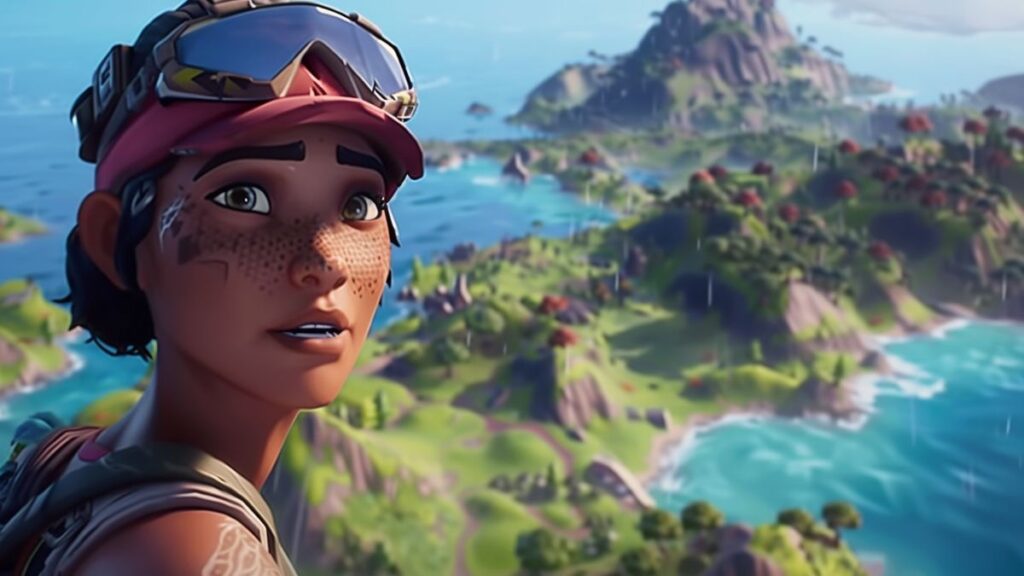
Epic Games laid off more than 1,000 employees, a cut that lands while Fortnite engagement keeps trending downward and several game modes are scheduled to go offline this year. For a studio built on giant live-service cycles and nonstop cross-promotions, the timing feels blunt: the company is shrinking even after years of Fortnite’s massive commercial peak and a still sizable player base.
Epic says the layoffs weren’t a performance-based “rightsizing”, and it’s pairing the move with severance packages that include at least four months of base pay, extended benefits for U.S. staff, and equity terms lasting into 2027. Still, it’s hard not to pause at the human cost, especially for long-tenured developers. You can almost hear teams thinking, “So what happens to the work we’ve been building?”
Why did Epic Games cut more than 1,000 jobs in 2026?
Epic Games has confirmed a round of layoffs affecting more than 1,000 employees, roughly 20 % of its workforce, as the company deals with higher costs and slower growth tied to Fortnite engagement. At the same time, Epic has been scaling back some operations, with several Fortnite game modes expected to be taken offline during 2026. You don’t need a conspiracy theory to make sense of it : when a live-service title has a softer period, the business around it becomes less predictable, and leadership often tries to reduce burn rate fast. That said, this kind of cut still lands hard because Fortnite remains a globally recognized product with ongoing brand collaborations, a large audience, and a huge creative ecosystem built around UEFN and Creator Economy tools.
What makes the announcement hit differently is the contrast between Epic’s past expansion and the reality of the current market. Fortnite’s earlier highs were fueled by relentless updates, seasonal changes, and cross-promotional tie-ins with entertainment, sports, fashion, and consumer brands. Even during a lull, the game still looks “healthy” from the outside : streams keep running, new cosmetics drop, and tournaments continue. Yet internally, payroll, infrastructure, and long-term bets (new tools, publishing, R&D) can outgrow revenue trends. And when management decides it waited too long, layoffs can arrive in one sharp wave. It’s not about blaming players for logging in less often; it’s a corporate decision about risk, margins, and timing, and it affects real people whose work helped carry Fortnite for years.
How is Fortnite’s slowdown affecting Epic’s game modes and plans?
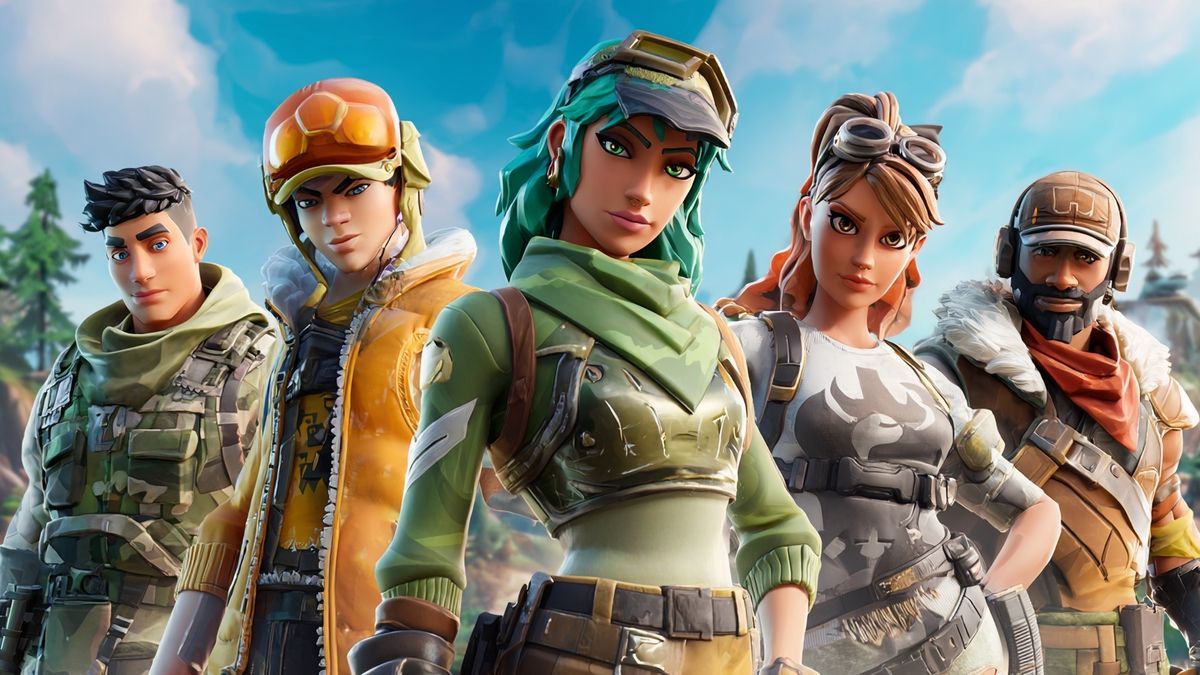
When people talk about Fortnite’s ongoing challenges, they’re usually pointing at a mix of softer player engagement, fiercer competition in the live-service shooter space, and the difficulty of keeping every mode thriving at the same time. Epic has been experimenting for years : Battle Royale, Zero Build, Creative, UEFN experiences, LEGO Fortnite, Festival-style music content, racing-style playlists, limited-time modes… that variety is part of the magic, but it also spreads attention. If some experiences fail to retain a stable base, it becomes harder to justify ongoing moderation, matchmaking, updates, and support. That’s where the “modes going offline” reporting fits in : shutting down underused experiences can be a cost move, but it also cleans up the product and channels players toward modes with better retention and monetization.
From a player point of view, the difference between “less hype” and “lower engagement” can feel abstract. You still get full lobbies, you still see new skins, and the shop still rotates. Yet the business side watches metrics that players rarely think about : DAU and MAU trends, session length, return frequency, and how much a season’s content actually pulls people back for weeks, not days. If those curves flatten, budgets get scrutinized. I’ve seen it in my own friend group : when a season lands, everyone jumps in for a few nights, then half the squad drifts back to other games unless there’s a strong reason to stay. That behavior, multiplied across millions of accounts, changes forecasting fast.
- Matchmaking health becomes harder to maintain when niche modes thin out.
- Content cadence gets reassessed if updates don’t lift retention metrics.
- Operational overhead rises with each mode needing QA, support, moderation.
- Creator ecosystems may get prioritized if UEFN experiences scale better.
What severance and benefits are being offered to laid-off staff?
Epic’s separation terms, as described publicly, are on the generous end for the industry. Employees impacted by the layoffs are set to receive at least four months of base pay, with additional compensation depending on tenure. For workers based in the United States, Epic is also providing six months of paid health-care coverage. On the equity side, the company indicated stock options vesting through January 2027, and it plans to extend equity exercise windows for as long as two years, which can matter a lot for people trying to plan their next step without being forced into a rushed decision. In practical terms, that package gives many employees breathing room to interview carefully, relocate if needed, or take time to rebuild routines after a sudden shock.
In tech and game development, the range of severance outcomes is wide, from minimal notice to packages that look more like what you’d see at a large Silicon Valley firm. Epic’s approach has been compared by observers to the more structured packages offered by major tech companies, rather than the harsher, abrupt cuts that have happened at some studios. None of this erases the disruption : losing your job can hit your identity, your confidence, and your daily rhythm, especially for long-tenured staff who helped build Epic’s culture. Still, providing pay continuity, medical coverage, and clearer equity rules is a sign the company is trying to reduce harm. It’s also a reminder to the wider industry that experienced talent is about to hit the market, and hiring managers who move fast may secure senior Unreal Engine expertise and live-ops know-how that’s hard to find.
Was this a performance layoff or a broader cost reset at Epic?

Epic’s CEO, Tim Sweeney, has publicly said the cuts were not a performance-based “rightsizing” move, and he also emphasized that Epic did not lower its hiring standards as it grew. That matters because it shapes how recruiters and studios will interpret the resumes landing on their desks. If the narrative becomes “these people underperformed”, it follows them unfairly. If the message is “the company over-expanded and needs to trim”, then the talent is viewed in a more accurate light. Still, there’s an emotional sting in hearing that framing when some employees reportedly spent over a decade at Epic. When you’ve shipped seasons, events, engine improvements, and pipeline tools for years, you don’t expect to be caught in a macro decision that has nothing to do with your work quality.
There’s also a nuance that tends to get lost in social media reactions : a company can genuinely keep hiring standards high and still end up overstaffed relative to revenue. A studio can be full of high-performing people and remain financially stretched if expectations were built on growth rates that didn’t hold. In live-service ecosystems, leaders often bet on future engagement staying elevated, especially after several years of blockbuster performance. If those projections cool, cost structures that were fine last year suddenly look heavy. That’s why you can see layoffs even while a game remains widely played and heavily merchandised. It’s uncomfortable, but it’s not automatically inconsistent.
From a human angle, I keep thinking about the day-to-day teams behind the scenes : QA groups grinding through edge cases, community support handling player reports, engineers maintaining build systems, artists iterating on cosmetics under tight deadlines. Those jobs aren’t “extra” to the people doing them. They’re livelihoods. When a cut lands, it’s not just a headcount reduction; it’s a reshuffle of knowledge, relationships, and momentum. And yes, people will talk about whether Epic could have adjusted earlier, gradually, with less impact. That debate will keep going, because it’s the kind of decision that doesn’t have a clean answer.
What happens next for Fortnite, Epic, and the talent market?
The immediate outcome is a wave of applicants with high-end experience in Fortnite live operations, Unreal Engine production, backend services, anti-cheat, monetization systems, and large-scale content pipelines. For hiring studios, this could be one of those rare moments where truly senior candidates are available at the same time, across many specialties. For workers affected, the paths tend to split : some will pursue roles at other AAA publishers, some will join smaller teams where their skills have outsized impact, and some may try independent development, consulting, or contract work. That last option can be appealing when stability in big studios feels shaky, though it also comes with risk and uneven income. Either way, the next few months will likely be loud in the industry : lots of portfolio updates, referrals, and teams trying to move quickly before competitors do.
| What’s changing | Why it matters | Who feels it most |
|---|---|---|
| 1,000+ jobs cut | Teams shrink, projects get reprioritized, shipping timelines can shift | Employees, contractors, partner teams |
| Some Fortnite modes going offline | Resources concentrate on modes with stronger retention | Players of niche playlists, creators tied to those modes |
| Severance and benefits package | More time to search, less financial cliff, clearer equity planning | Laid-off staff and their families |
Conclusion

- Epic Games. « An Update from Epic ». Epic Games, 2023-09-28. Consulté le 2026-03-26. Consulter
- Tim Sweeney. « Post du 2026-03-25 concernant les licenciements chez Epic Games ». X (compte officiel @TimSweeneyEpic), 2026-03-25. Consulté le 2026-03-26. Consulter
- Epic Games. « Fortnite – Mode Créatif et UEFN ». Epic Games, s.d. Consulté le 2026-03-26. Consulter
Source: hothardware.com

Inima, 35 years old, passionate about Fortnite. Always ready to take on challenges and share intense moments in the gaming world.