
Epic Games has confirmed layoffs affecting over 1,000 employees, a hard reset tied to a tougher market and a noticeable dip in Fortnite player engagement. The company says it is spending more to keep Fortnite running than the game is currently bringing back, and leadership is cutting costs across marketing, contracting, and open roles. It’s a blunt message, and, yes, people in the industry felt it immediately.
CEO Tim Sweeney framed the cuts as a last effort to stabilize finances after earlier reductions, while stressing the decision isn’t driven by AI-related job replacement. Epic also raised V-Bucks pricing recently, which many players took as a warning sign. Affected staff are being offered severance and extended health coverage, with an all-hands meeting planned to outline what the next quarters may look like.
Why did Epic Games cut 1,000+ jobs as Fortnite engagement dipped?
When a company the size of Epic Games confirms 1,000+ layoffs, it’s rarely one single thing that snapped. From what Epic’s leadership has shared internally, the message is pretty direct : costs have been outpacing revenue, and the broader market has been rough. Fortnite is still a giant, but even giants can hit a plateau. Over the last few years, Epic kept investing heavily in live-service development : constant updates, creator tools, events, moderation, partnerships, server capacity, anti-cheat, customer support… it adds up fast. At the same time, Epic has pointed to declining Fortnite player engagement, meaning fewer people sticking around as long or spending at previous levels. That’s not a moral panic thing, it’s just what metrics look like when a game matures and the competition for players’ time gets sharper.
There’s also the industry headwind Epic called out : weaker consumer spending, slower console sales compared with the early “new-gen” rush, and a general cooling-off after years when gaming growth felt unstoppable. If you’ve followed the sector lately, you’ve seen similar headlines from other studios too, so it’s not isolated. Epic’s CEO has framed these layoffs as a last-resort reset to reach a steadier financial footing, alongside tightening marketing spend, reducing contracting, and freezing open roles. And yes, players noticed the timing with Fortnite’s economy : the V-Bucks price increase didn’t land in a vacuum, it read to many fans as a company trying to shore up cash flow. For the detailed breakdown of this round of job cuts, this report is worth reading : https://0kill-7assists.com/blog/epic-games-job-cuts-3/
What does “declining Fortnite engagement” actually mean in 2026?
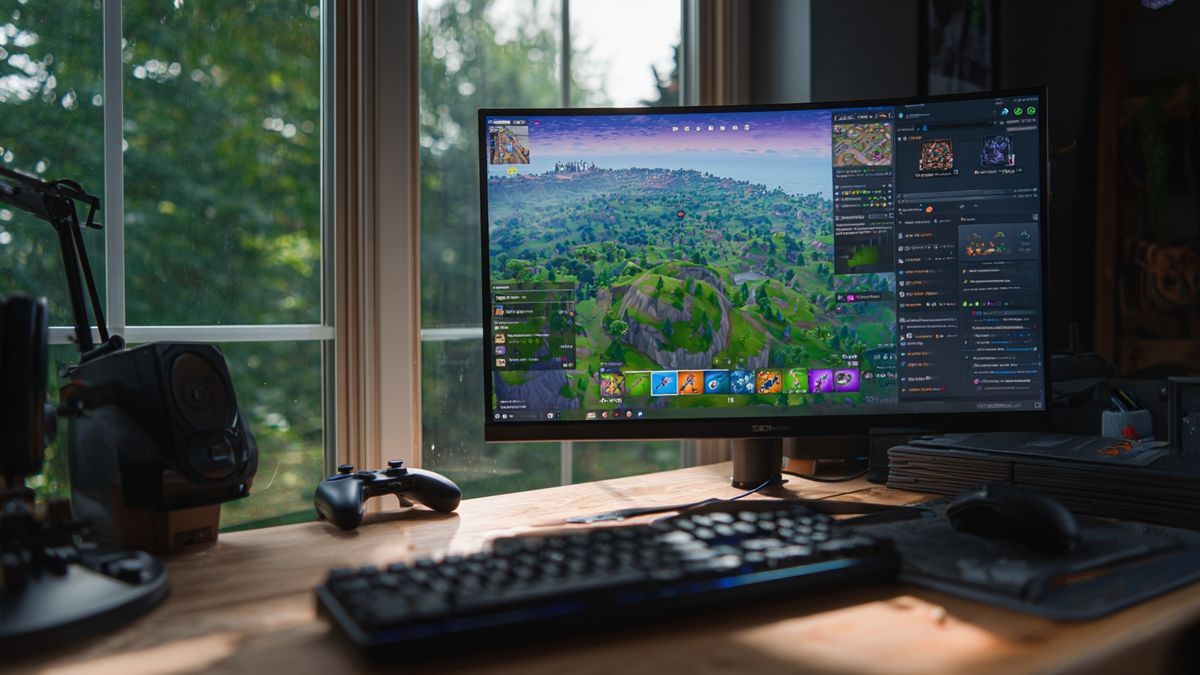
“Engagement” sounds like corporate jargon until you translate it into game-life reality : how many people log in daily, how long they play, whether they return after a season starts, and what share of players buy cosmetics or a Battle Pass. When Epic references Fortnite engagement decline, it typically points to a softening in some combination of daily active users, session length, and conversion to spend. None of that means Fortnite is “dead” (people love to throw that word around), it means the game isn’t printing money at the same rate while its operating costs remain high. Fortnite has historically been a revenue machine for Epic for years, but keeping a live-service ecosystem healthy in 2026 is an expensive treadmill.
There’s a human side too. If you play regularly, you can feel when a season’s loop doesn’t click for your squad : fewer late-night sessions, friends skipping quests, Creative maps getting more attention than Battle Royale for a while, then flipping back. Those swings are normal. What’s changed is the market pressure : players rotate between Fortnite, Roblox, Minecraft, COD, sports titles, and whatever streamer trend hits next. That creates shorter attention windows and makes retention harder. Epic also has to manage Fortnite community safety and moderation at scale, which affects trust and long-term participation. If you’re curious how Epic and the community have been navigating sensitive issues tied to behavior and content, this piece touches that angle without sensationalism : https://0kill-7assists.com/blog/fortnite-adl-antisemitism/
Practically speaking, investors and executives watch engagement because it predicts revenue before revenue shows up in earnings. If player retention slides, Epic has to decide : cut costs, raise prices, or find new growth engines. The layoffs suggest Epic chose the cost route, at least for now, while trying to keep Fortnite’s update cadence strong enough to stop the bleed.
How will layoffs affect Fortnite updates, events, and live-service quality?
Players always ask the same thing after a layoff headline : “So… are updates getting slower ?” The honest answer is that it depends on which teams were hit and how Epic reorganizes. Large-scale reductions can create bottlenecks in QA testing, anti-cheat, live ops, localization, customer support, and tool-building for creators. Even if core gameplay dev is protected, the “glue work” matters : fewer people monitoring exploits, fewer hands validating patches across platforms, less bandwidth for quick hotfixes when something breaks at 2 a.m. That’s where quality can wobble.
At the same time, companies often prioritize what players notice most : seasonal launches, big crossovers, and store rotations. Epic has a long track record of delivering blockbuster collaborations because they drive buzz and spending. The interesting tension is that collabs cost money too, and they take coordination across legal, production, brand, and marketing. If Epic is trimming marketing and external spend, we may see fewer “spray and pray” campaigns and more carefully chosen partnerships with clearer ROI. The rumored or confirmed big-brand tie-ins (think entertainment giants) are the ones likely to survive because they can move the needle.
One example that shows how Epic leverages partnerships as a growth lever is the Disney collaboration coverage here : https://0kill-7assists.com/blog/disney-fortnite-collaboration/. Deals like that can bring lapsed players back, lift Fortnite store sales, and create cultural moments that stretch beyond gaming. Still, from a player’s perspective, stability matters as much as spectacle. If layoffs reduce investment in bug fixes or ranked integrity, you’ll hear it instantly on social media and Discord. Epic knows that, which is why restructures usually aim to keep the live-service heartbeat steady even while the company cuts deep elsewhere.
What cost-cutting moves is Epic making beyond layoffs and V-Bucks?

Layoffs are the headline, but they usually sit inside a broader cost plan. Epic has indicated it’s trying to reduce spending across marketing, contracting, and by closing or freezing open positions. That’s the less flashy part, but it can be where the real savings hide. When a company tightens contracting, it may reduce outsourced art, external QA vendors, regional marketing agencies, or temporary event staff. When it trims marketing, you might see fewer massive ad buys and more reliance on creators, organic reach, and in-client promotion.
Then there’s monetization. Fortnite’s V-Bucks pricing shift was widely read as a revenue lever pulled to offset rising costs. Players feel those changes immediately, especially families managing recurring spend. Pricing decisions are usually a balancing act : raise too much and you risk backlash and lower spend; raise too little and it doesn’t move the financial needle. Epic also has the option to tweak the store’s mix of bundles, limited-time items, and cross-promotional packs to increase average basket size without constantly hiking sticker prices.
- Reducing contractor spend while keeping core teams focused on seasonal delivery
- Reining in marketing budgets and leaning harder on in-game surfaces and creator reach
- Freezing open roles to slow payroll growth without more public cuts
- Adjusting monetization through V-Bucks pricing and bundle strategy
- Operational streamlining by consolidating teams and trimming overlapping initiatives
What should employees and players expect in the next quarters?
For employees impacted by layoffs, Epic has said severance packages include at least four months of base pay and extended healthcare coverage. In the U.S., that healthcare detail matters a lot, and it’s often the first practical concern people voice when they’re suddenly out of work. Epic also mentioned an upcoming company-wide meeting to outline the roadmap for the next few quarters, which is usually where priorities get clarified : what ships, what slips, and what gets paused. From the outside, we can’t verify every internal timeline, but the pattern in big restructures is predictable : the first weeks are noisy, then production stabilizes around fewer, clearer goals.
For players, the next quarters will likely be about whether Epic can maintain Fortnite seasonal momentum while rebuilding morale and execution speed internally. You might see more emphasis on revenue-efficient initiatives : partnerships that reliably bring people back, improvements that reduce churn (matchmaking, performance, cheating controls), and creator ecosystem features that scale without huge staffing increases. If engagement is the metric under stress, expect changes designed to keep players logging in consistently : stronger limited-time events, better quest pacing, and more reasons for squads to return weekly rather than once per season.
Another thing worth saying out loud : the wider gaming industry layoffs trend has made people skittish, and that mood affects everything from recruiting to community sentiment. Epic has tried to be clear that this round wasn’t driven by AI replacement, but by market conditions and spending levels. Whether players agree or not, the near-term test is simple : do updates feel stable, does the game feel fair, and do people feel good recommending Fortnite to friends again ?
From a practical perspective, here’s a quick view of what tends to shift after cuts, mapped to what players can actually notice week to week.
| Area | What may change short-term | What players can watch for |
|---|---|---|
| Live ops & QA | Longer patch validation, fewer rapid hotfixes | Bug frequency, downtime length, speed of fixes |
| Events & collabs | Fewer mid-tier campaigns, focus on high-ROI tie-ins | Event cadence, scale of promotions, in-game quests |
| Support & moderation | Slower response times, heavier automation | Ticket wait times, reporting outcomes, community trust |
Conclusion

Epic Games’ decision to cut 1,000+ jobs reflects the pressure created by declining Fortnite engagement and higher operating costs. Tim Sweeney has framed it as a push toward financial stability, not a pivot driven by AI. Honestly, it’s hard not to feel for the people caught in the middle.
With V-Bucks pricing recently adjusted and a stated goal of reducing expenses across marketing and contracting, the next quarters will likely focus on tighter spending and fewer experiments. The promised severance and healthcare extensions matter, yet this is still a stark signal that even major studios are vulnerable when player time and spending soften.
Sources
- Epic Games. « An Update on Epic ». Epic Games Newsroom, 2023-09-28. Consulté le 2026-03-29. Consulter
- Epic Games. « Fortnite: V-Bucks Price Increase ». Fortnite News, 2023-10-27. Consulté le 2026-03-29. Consulter
- GamesIndustry.biz (Brendan Sinclair). « Epic Games lays off 16% of staff ». GamesIndustry.biz, 2023-09-28. Consulté le 2026-03-29. Consulter
- SEC EDGAR. « Unity Software Inc. Form S-1 Registration Statement ». U.S. Securities and Exchange Commission, 2020-08-24. Consulté le 2026-03-29. Consulter
Source: finance.yahoo.com

Inima, 35 years old, passionate about Fortnite. Always ready to take on challenges and share intense moments in the gaming world.