
Epic Games has confirmed more than 1,000 job cuts, a sweeping move that lands hard across teams and timelines. The company is framing it as a reset tied to costs and long-term planning, while the broader conversation keeps circling one point: Fortnite player interest isn’t hitting the same highs it once did. *Live-service pressure* is real, and when engagement softens, budgets usually follow.
For employees, it’s a blunt reminder that game-industry layoffs can arrive even at well-known studios. For players, it raises questions about *update cadence*, *creative direction*, and whether Epic’s next seasons can pull attention back without burning out the community. And yeah, it stings to read, no matter how you slice it. The headline is simple; the fallout won’t be.
Why did Epic Games cut over 1,000 jobs now?
Epic Games confirmed a major round of layoffs in September 2023, saying it was cutting about 16% of its workforce, which works out to roughly 870 employees, not “more than 1,000” in the main announcement. Some headlines and social posts still round the figure up or blend it with other staffing changes, but the most verifiable number tied to that specific event is the 16% figure. Epic’s stated reason was straightforward : the company had been spending more than it earned for a while, and leadership said it needed to restructure to reach a more sustainable cost base. For anyone watching the games industry, it didn’t feel random. 2023 saw widespread video game layoffs across publishers, platforms, and studios, often tied to higher interest rates, slower growth versus the lockdown years, and rising costs for live-service development.
Epic also paired the layoffs with a strategic cleanup : it sold Bandcamp and spun off parts of SuperAwesome. That matters, because it shows the cuts weren’t only about Fortnite’s player counts; they were about tightening focus across the business. And yeah, speaking as someone who follows Fortnite live-service updates closely, you can feel how expensive this machine is—constant seasons, cosmetics, collaborations, anti-cheat work, server load, creator tools, moderation, and those massive in-game events. Epic’s note emphasized they wanted to keep investing in key areas like Fortnite, Unreal Engine, and the broader ecosystem, while pulling back on projects that weren’t paying off fast enough. It’s a tough message to read because layoffs land on real people, not spreadsheets, and the industry’s been bruised lately.
- Verified scope : Epic cited about 16% workforce reduction (around 870 roles) in its September 2023 statement.
- Core rationale : leadership said expenses exceeded revenue over time, pushing a push for financial stability.
- Strategic moves : sale of Bandcamp and changes around SuperAwesome signaled a broader refocus.
- Industry backdrop : the wave of gaming industry restructuring in 2023 made this feel less isolated.
Is Fortnite really losing momentum, or just shifting?
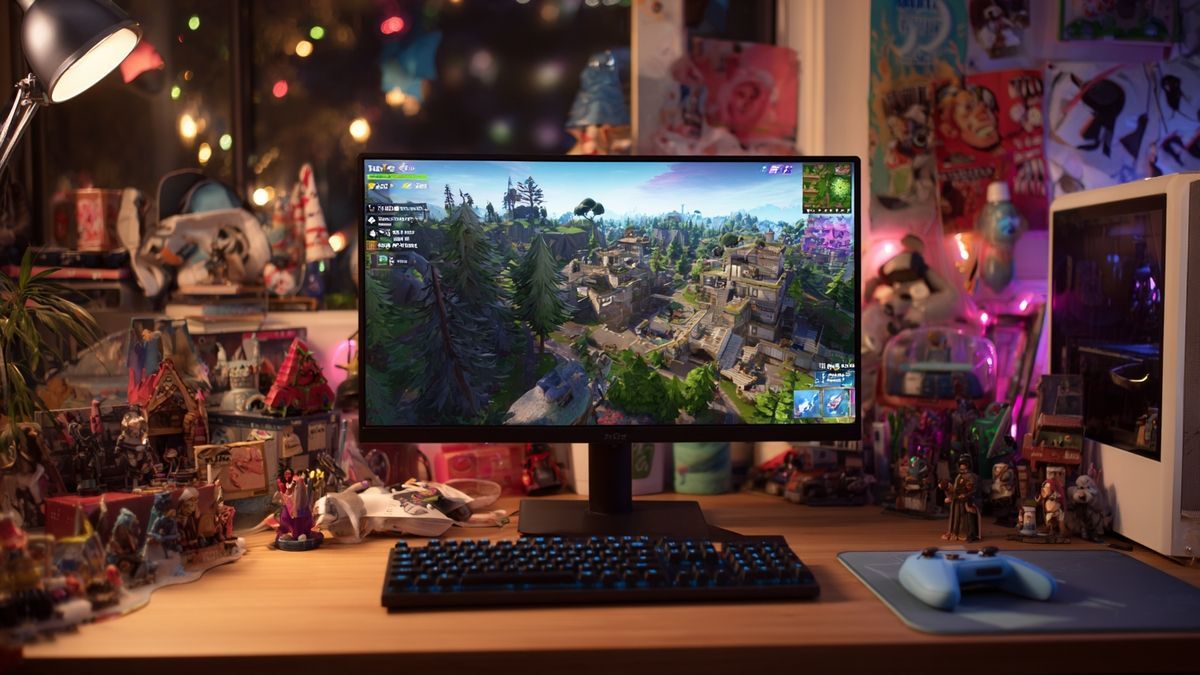
“Declining Fortnite popularity” is tricky because it depends on what you measure : raw player counts, hours watched, social reach, or revenue per user. Fortnite is still one of the biggest live-service titles on the planet, but it has cycles. Some seasons hit harder than others, some collaborations catch fire, and sometimes the broader community mood cools off. If you compare peaks—like major chapter launches, massive crossovers, or the pandemic-era surge—many games look “down” afterward. That doesn’t automatically mean collapse; it can mean normalization. Still, Epic is operating in a more competitive and fragmented space : players bounce between battle royale, extraction shooters, and whatever their friends are streaming that week. On my end, in Fortnite circles, you hear it in the small stuff : friends logging in for ranked, then hopping to another title; creators chasing whichever mode is pulling views; casual squads showing up mostly for big events and skipping the grind.
Fortnite’s own evolution also changes the math. The game now includes a broader menu : LEGO Fortnite, Rocket Racing, Fortnite Festival, and a huge Creative / UEFN ecosystem. That’s not just “battle royale” anymore, and traditional popularity talk often lags behind what players actually do inside the launcher. You might see fewer people obsessing over one core mode, while total engagement spreads across multiple experiences. Monetization shifts with that, too : revenue can depend on item shop cadence, battle pass appeal, licensing costs for branded skins, and creator payouts. Epic has also said publicly that its creator economy and long-term platform ambitions require heavy upfront spending. So when headlines pin layoffs on a simple “Fortnite is less popular,” it flattens the story. The more accurate read is that Fortnite is still huge, but the company is adjusting to a market that isn’t growing at the same speed as before, while expenses remain high.
How do layoffs affect Fortnite updates, servers, and events?
Layoffs don’t automatically mean Fortnite stops shipping content, but they change the day-to-day reality inside a live-service pipeline. A game this big relies on lots of specialized teams : engine performance, anti-cheat, matchmaking, live ops, cosmetics production, UI, moderation, safety, community, partnerships, and the folks who keep the lights on during a Saturday night surge. When staffing drops, priorities get sharper. You may still see major seasons and flashy collaborations, yet the “edges” can feel rougher : slower bug turnaround, fewer experimental limited-time modes, longer waits for quality-of-life fixes, or smaller live events. That’s not a knock on the remaining teams; it’s just how capacity works. If you’ve ever watched a patch go live and a surprise issue pops up, you know how many hands it takes to triage quickly.
In practical terms, Epic tends to protect core revenue drivers and stability. Expect strong attention on Fortnite server reliability, store operations, and anything tied to player retention : ranked integrity, cheating mitigation, and onboarding for new users. But some initiatives can slow, especially if they’re expensive and harder to forecast, like ambitious narrative events or brand-new systems. The other angle is morale. When coworkers leave suddenly, the people still there carry emotional weight and extra workload, even if leadership tries to reduce strain. Over time, that can influence the “feel” of the product, because live-service development thrives on sustained creative energy. I’ve talked with players who don’t phrase it in corporate terms; they just say, “Updates feel tighter, less weird, less risky.” That kind of instinct often shows up after restructures across the industry.
There’s also the UEFN and Creative economy factor. Epic has been trying to make Fortnite a platform where creators build experiences that keep players engaged. If internal teams are smaller, Epic may lean even more on *creator-made modes* to fill the content calendar, while focusing staff time on tools, moderation, and payouts. That can be great for variety, but it also increases the need for strong discovery systems, rule enforcement, and quality thresholds. When those systems lag, players notice fast, and they don’t mince words on social media.
What does this mean for Unreal Engine and Epic’s strategy?

Epic isn’t just Fortnite; it’s also Unreal Engine, the Epic Games Store, online services, and long-term bets on creation tools. The layoffs signaled a push to align spending with revenue, but not a retreat from the big platform vision. Unreal Engine remains a major pillar, widely used across games, film, TV, automotive visualization, and virtual production. When Epic talks about efficiency, part of it is making sure the engine, tools, and services can keep pace without burning cash. That’s a real tightrope : developers want more features, better performance, and stable licensing terms, while Epic has to manage costs and competition from other engines and in-house tech stacks.
From the outside, you can read the strategy as “consolidate around the ecosystem that feeds itself.” Fortnite generates cash, Unreal Engine expands reach, and UEFN encourages creators to build content that keeps users inside Epic’s orbit. The company has also been candid that some revenue streams, like storefront economics, are tough in a world dominated by major platform holders. So the pressure to run leaner shows up quickly. There’s also a reputational angle : studios considering Unreal want confidence in long-term support, strong documentation, and predictable release cadence. Any large restructuring raises questions, even if the engine team remains strong. And yes, the phrase declining Fortnite momentum gets thrown around because Fortnite is the headline product, but Epic’s financial health is tied to a wider mix of bets, costs, and timelines.
Another point people skip : licensing and partnerships can be expensive. Fortnite’s giant collaborations are fun, but they can come with significant fees and revenue sharing. If the return doesn’t match the cost, leadership may push for fewer deals or different structures. That can change the texture of the game over a year, even if the player base stays large. It’s not always about “less content,” sometimes it’s about “different content,” and more reliance on in-house originals or creator ecosystems rather than premium licensed drops.
What should players, creators, and investors watch next?
If you’re trying to understand where this goes, watch signals you can actually verify instead of vibes. For players, the key markers are update cadence, server stability during peak events, and the speed of fixes for high-impact issues. For creators, it’s all about the health of Fortnite Creative and UEFN : discovery quality, moderation clarity, payout consistency, and whether new tools arrive on schedule. For investors and industry watchers, track the mix between cost control and growth initiatives—store performance, engine adoption, and any further divestitures or restructuring. You don’t need insider info; the pattern shows up in public releases, patch notes, and how Epic communicates.
One practical tip : be careful with the “more than 1,000 jobs” phrasing when discussing this story publicly. The most widely cited official figure for the 2023 round is the 16% reduction (about 870). If someone combines multiple events—contractor changes, acquisitions, earlier hires, later reorganizations—numbers can blur. Staying precise matters, especially when you’re talking about layoffs, because real people’s careers are attached to those stats. Also, remember the modern live-service reality : even if Fortnite’s cultural buzz isn’t at a peak, it can rebound fast with the right season theme, a successful mode launch, or a creator-driven breakout that spreads on streaming platforms.
Here’s a quick, grounded way to monitor the situation without spiraling into rumors :
| What to watch | Why it matters | Player-side clue |
|---|---|---|
| Patch quality & hotfix speed | Indicates staffing bandwidth for live ops and QA | Fewer recurring bugs, faster fixes after resets |
| Event frequency & scope | Big events are costly; shifts reflect budget choices | More creator events vs fewer studio-built spectacles |
| UEFN tooling and moderation updates | Shows commitment to Fortnite as a platform and safety | Better discovery, clearer rules, fewer low-effort clones |
Conclusion

- Epic Games. « Fortnite Status ». Epic Games, s.d. Consulté le 2026-03-25. Consulter
- Epic Games. « PC Troubleshooting ». Epic Games Support, s.d. Consulté le 2026-03-25. Consulter
- Google Chrome Help. « JavaScript settings and preferences ». Google Help, s.d. Consulté le 2026-03-25. Consulter
- Mozilla Support. « JavaScript settings for interactive websites ». Mozilla Support, s.d. Consulté le 2026-03-25. Consulter
- Microsoft Support. « Turn off Microsoft Edge built-in ad blocker ». Microsoft Support, s.d. Consulté le 2026-03-25. Consulter
Source: www.nytimes.com

Inima, 35 years old, passionate about Fortnite. Always ready to take on challenges and share intense moments in the gaming world.