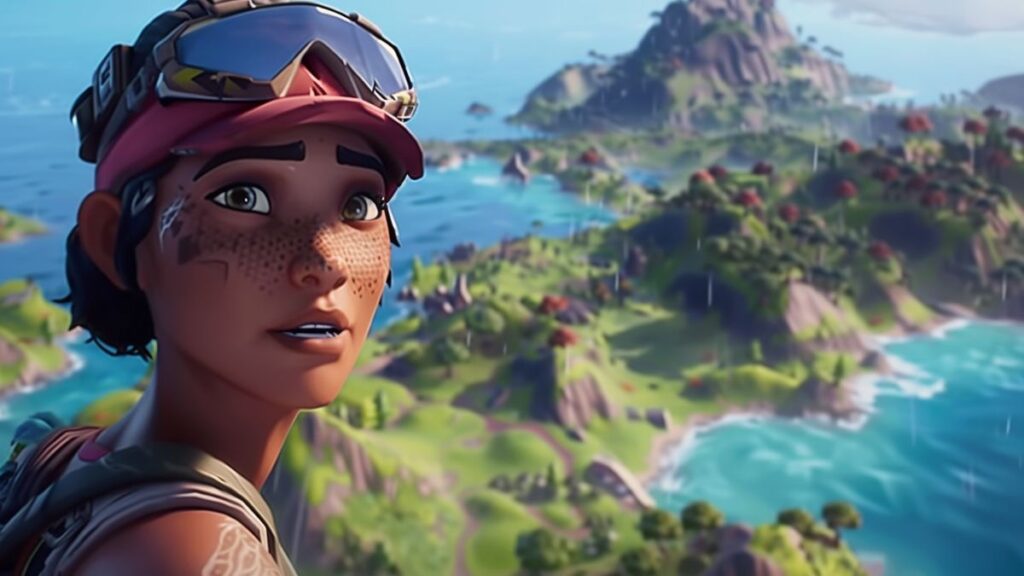
The numbers still look strong, but the cultural dominance of Fortnite is starting to feel less automatic. In conversations, on streams, even in schoolyard chatter, the game isn’t always the default reference it was a few years ago. Yeah, people still drop in, buy skins, and queue with friends, yet the shared hype moment shows up less often, and the mainstream spotlight moves faster than it used to.
An expert reading of the scene points to attention fragmentation : more live-service titles, more short-form platforms, more micro-trends competing every week. Fortnite’s collabs and updates can still hit, no doubt, but the culture-wide grip is loosening at the edges. If you’re tracking Fortnite’s brand influence, the question isn’t “is it dying” ; it’s whether it can keep setting the agenda, rather than reacting to it.
Is Fortnite really losing its grip on mainstream culture?
Fortnite cultural dominance doesn’t vanish overnight; it thins out, year after year, as attention shifts. If you were around for the peak “everyone’s talking about it” era, you probably remember how Fortnite memes, school-yard chatter, Twitch highlights, and crossover headlines all synced up. Today, the game still pulls big numbers, but the wider culture doesn’t orbit it in the same way. That difference matters. “Dominance” is not only about daily active players; it’s about whether the game shapes the conversation outside gaming circles. Right now, the conversation is more fragmented: short-form video trends rotate faster, new releases land weekly, and live-service games compete in an endless attention auction. I’ve noticed it personally: friends who used to quote emotes in group chats now send clips from several games, not just one. That doesn’t mean Fortnite is “dead” (that word gets thrown around too easily) — it means its share of mind is thinner. Even major beats, like new seasons or collaboration drops, can feel less “stop-everything” than they did in 2018–2021, because people’s feeds are crowded with alternatives. If you want a concrete example of how Epic keeps trying to refresh the ecosystem, the current seasonal packaging and rewards cadence is a good window; break down the structure of the Battle Pass updates here and you can see how retention tools are tuned for a more competitive market.
What signs show Fortnite’s dominance is waning right now?
Fortnite trend decline shows up in small, trackable signals rather than one dramatic headline. Search interest tends to spike around big events, then settle lower than previous years; that’s a common pattern for maturing live-service titles. On social platforms, you’ll still see Fortnite clips and creative edits, yet they’re less likely to become “everyone’s doing it” templates the way dances and emotes once did. Another signal is how quickly conversations move on after new content drops: players might grind a weekend, grab cosmetics, then rotate to another game. That rotation culture wasn’t as normal when Fortnite felt like the default hangout spot. I also watch how brand tie-ins land: crossovers still happen, but their broader “watercooler effect” is softer because audiences are spread across more fandom silos. The game remains a heavy hitter, but mainstream reach is different from being the default cultural reference point.
- Shorter hype cycles around seasons, with faster drop-off in chatter and clips.
- More competition from other live-service shooters and creator-led games stealing mindshare.
- Fragmented communities : Zero Build, Creative, LEGO-style modes, and competitive scenes don’t always overlap.
- A bigger gap between active players and broader cultural visibility outside gaming feeds.
Are new modes and creative tools diluting the core identity?
Fortnite identity shift is real, and it cuts both ways. On one hand, expanding into Creative experiences, rhythm content, LEGO-style play, and other modes keeps the platform fresh, gives creators room to build, and reduces dependence on Battle Royale alone. On the other hand, when a game becomes a platform, the “core story” can blur. People used to describe Fortnite in one sentence. Now, that sentence gets longer and messier. I’ve had friends ask, sincerely, “Wait, what are people even doing in Fortnite these days?” That’s not a knock on the content; it’s a sign that the brand is harder to summarize. And when something is harder to summarize, it’s harder to dominate mainstream conversation.
Still, Epic is clearly pushing variety as a retention strategy, and there’s evidence it works for player-hours even if it softens cultural clarity. Take the music angle: rhythm content and licensed tracks broaden the audience beyond shooters and competitive grinders. If you’re curious how this lane is developing, the breakdown of Jam Tracks in Fortnite shows how the game is leaning into music-driven engagement. That’s smart business, but it nudges Fortnite further away from being “that one Battle Royale everyone references.” Add in seasonal mechanics that swing between grounded gunplay and wild gimmicks, and you get a platform that’s busy, sometimes chaotic, and not always culturally legible at a glance. For a lot of players, that’s fun. For mainstream dominance, it’s a tradeoff.
How do platform bans and stores affect cultural momentum?
Fortnite distribution shapes culture more than people admit. When the game is frictionless to download, it spreads through friend groups fast, especially younger audiences who play wherever they are. When access gets complicated, the “everyone can jump in right now” vibe weakens. That doesn’t erase a player base, but it can slow the casual inflow that fuels mainstream moments. I’ve seen it in real life: someone’s cousin wants to join, can’t find the app easily, gives up, and goes back to whatever is one tap away. That’s how cultural share erodes — not with a bang, with small drop-offs.
Mobile is the obvious pressure point. Fortnite’s mobile availability has been uneven depending on region, device ecosystem, and store rules, and that impacts casual player growth. If you want the clean timeline and practical context, this overview on Fortnite’s return to Google Play lays out why store access matters beyond headlines. Another angle is how “free” messaging works: when players hear “free,” they expect instant availability, and any extra steps feel like a barrier. That’s relevant for side modes too, where confusion can spread fast; this guide on Save the World access touches the kind of questions players ask when availability isn’t straightforward. None of this is about taking sides — it’s about recognizing that friction is the enemy of cultural domination.
There’s also a perception issue: when access depends on platform workarounds or store politics, the game can feel less “universal.” Cultural dominance thrives on universality. If your friend group has to troubleshoot before playing, the moment passes. And once those moments pass often enough, the internet moves on. That’s not me being dramatic; it’s just how modern attention economics behaves.
What data points still prove Fortnite remains a major force?
Fortnite player base is still substantial, and pretending otherwise doesn’t help anyone. The game continues to pull huge engagement during seasonal launches, big collaborations, and competitive events. Its creator ecosystem remains one of the most visible in gaming, and the sheer pace of updates is a competitive edge. Here’s a practical snapshot of signals that are easy to watch without leaning on rumors or cherry-picked takes :
| Signal to watch | What it indicates | Why it matters for culture |
|---|---|---|
| Season launch concurrency | Short-term spikes in active play and streaming | Shows the brand still generates “event energy” |
| Creator map engagement | Time spent outside Battle Royale in UGC | Measures platform strength, not just shooter hype |
| Merch, collabs, and media tie-ins | Brand deals and crossover cadence | Indicates mainstream viability even if dominance is lower |
Fortnite longevity also comes from gameplay systems that keep evolving. Seasonal mechanics, mobility, and loot design still drive conversation inside the community, and sometimes those mechanics spill back into broader content trends. If you want a current example of how Fortnite keeps inventing weird, shareable gameplay hooks, mechanics like Chaos Cubes show how the game manufactures “clip moments” that are made for social feeds; this Chaos Cubes guide is a handy reference. So yes, cultural dominance may be waning in the sense that Fortnite is no longer the default reference point for everyone, everywhere. The flip side is that it remains a massive live-service platform that can still spark big weeks — just not the same uninterrupted reign it once had.
Conclusion
If Fortnite’s cultural dominance feels softer lately, it’s not just “people getting bored”. The live-service cycle is tighter, competitors copy faster, and every season has to earn attention again. You can see the pressure points in end-of-season events, shifts in collab strategy, and even business headlines. Honestly, the vibe is less “everyone’s here” and more “what’s the next hook”.
Still, “waning” doesn’t mean “over”. When seasonal storytelling lands and the creator ecosystem fires, Fortnite can spike back into the mainstream overnight. Watch signals such as currency perception, new IP tie-ins, and studio decisions: https://0kill-7assists.com/blog/fortnite-currency-devalues/ , https://0kill-7assists.com/blog/fortnite-end-season-event/ , https://0kill-7assists.com/blog/epic-games-job-cuts-4/ , https://0kill-7assists.com/blog/hoshimachi-suisei-fortnite-skin-2/ , https://0kill-7assists.com/blog/fortnite-1997-disney-characters/
Sources
- Epic Games. « Fortnite News ». Epic Games, s.d. Consulté le 2026-04-02. Consulter
- Epic Games. « Fortnite Crew ». Epic Games, s.d. Consulté le 2026-04-02. Consulter
- Epic Games. « Epic Games Store Refund Policy ». Epic Games, s.d. Consulté le 2026-04-02. Consulter
- Epic Games. « Fortnite Island Creator Rules ». Epic Games, 2023-03-22. Consulté le 2026-04-02. Consulter
- Anti-Defamation League. « About: Antisemitism ». Anti-Defamation League, s.d. Consulté le 2026-04-02. Consulter
Source: www.gamespot.com

Inima, 35 years old, passionate about Fortnite. Always ready to take on challenges and share intense moments in the gaming world.