Fortnite returns to the Google Play Store on March 19, ending a six-year absence on Android’s main marketplace. If you’ve missed the one-tap install, yeah, same, this makes it straightforward again. The comeback lands right as the next Fortnite season is about to kick off, so the timing feels deliberate and clean.
This isn’t a trimmed mobile build. Expect all Fortnite game modes to be available, including Lego Fortnite and Fortnite Festival, without relying on third-party stores or streaming workarounds. The return follows a recent settlement that brings Google’s commission fees down into a 10% to 20% range, while players still keep an eye on V-Bucks pricing.
Why is Fortnite coming back to Google Play on March 19?
Fortnite’s return to Google Play is set for March 19, ending a long Android detour that started when the game was removed in 2020. If you’ve been on Android for the last few years, you probably remember the weird routines: installing from a third‑party source, updating manually, or just giving up and using cloud gaming. That worked for dedicated players, sure, but it never felt “normal”, especially when you just wanted to queue a quick match on a phone or tablet without turning it into a tech project. With the app back in the default store, Android Fortnite download becomes straightforward again, and that alone changes how many people will realistically jump back in.
Epic Games has tied the timing to the next seasonal rollout, which is smart because it lines up with the chatter that usually pulls lapsed players back. And no, this isn’t a trimmed mobile edition: Epic has said you’ll be able to access every game mode, including Lego Fortnite and Fortnite Festival. For anyone who stopped paying attention because “mobile was complicated”, the message is simple: the barrier drops on March 19. I’ve had friends who love the game, but wouldn’t bother with side-loading on their main phone; those are the players this move is really about. The big shift isn’t just availability, it’s friction: fewer steps, fewer warnings, fewer “is this safe?” moments.
From an industry angle, the comeback also reflects how platform relationships evolve. Fortnite’s original removal was tied to payment policy disputes, and a legal settlement announced earlier this year has been reported as lowering Google’s base commission rates into a 10% to 20% range. That context matters because it hints at how the return became possible without either side pretending the disagreement never happened. If you care about mobile game distribution, this is one of those moments where business terms directly change what players can install with a single tap. And yeah, for everyday players, that’s what it comes down to: tap, install, update, play.
Quick reality check : you could still play on Android before, but it often meant third‑party app stores or streaming services. Google Play availability removes that hassle for a much wider audience.
What changes for Android players when it’s on Google Play?
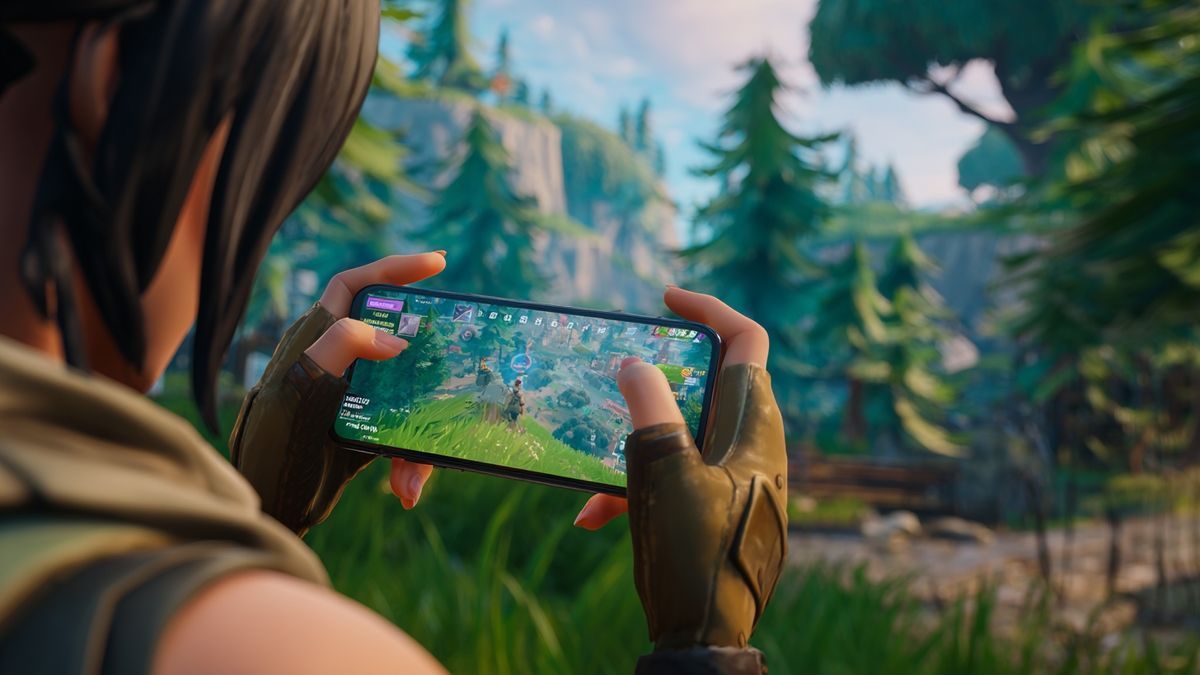
When Fortnite on Android is distributed through Google Play again, the biggest upgrade is the boring stuff that actually matters day to day: updates, security prompts, and visibility. With side-loading, every patch can feel like, “Wait, do I have the latest build ? Did I tap the right link ? Why is my phone warning me ?” Google Play doesn’t magically fix every bug, but it standardizes installs and patching, which helps with Fortnite updates on mobile staying consistent. It also means Fortnite sits in the same place as the rest of the apps you manage, so it’s less likely to be forgotten after one busy week.
There’s also a scale effect. Google Play is still the default discovery lane for Android users, and being absent from it turned Fortnite into a “you have to already want it” title. Returning changes that dynamic: it’s now possible for someone who just bought a new Android device to search, install, and jump in without tutorials or forum guides. For parents setting up a tablet, for students swapping phones, for anyone who resets their device, that convenience is not trivia. It’s the difference between “I’ll do it later” and “I’m in the lobby in five minutes”.
- Simpler installs with fewer unknown source warnings and less manual setup.
- Faster re-installs when switching phones or after a factory reset.
- More reliable patch flow through a familiar update system.
- Broader reach because the game is back in the default Android storefront.
- Cleaner device management since Fortnite appears with your other Google Play apps.
Will all Fortnite modes be available on Google Play Android?
Epic’s announcement is clear on the headline people actually care about: all Fortnite game modes are expected to be available when the game returns to Google Play, not a reduced “mobile-only” slice. That includes staples like Battle Royale and Zero Build, but also the newer ecosystem pieces that have become part of everyday Fortnite life, such as Lego Fortnite and Fortnite Festival. If you’ve been away for a while, it’s worth noting how much the game has shifted into a multi-mode platform. People aren’t just dropping for eliminations anymore; some are logging in to build, to race through timed quests, or to hang out in a music-focused mode for a session that feels closer to a rhythm game night than a sweaty endgame.
Practically speaking, “all modes” means your Android device becomes a legitimate all-in-one Fortnite machine again, rather than a compromise. That doesn’t mean every phone will run everything at max settings, and performance will still depend on your hardware, thermals, and how aggressive your device is with background processes. Still, having the full mode lineup matters for social play. I’ve had evenings where the squad mood shifts mid-session: one friend wants ranked, another wants a chill creative map, someone else insists on checking the item shop and messing with cosmetics. If Android access is smooth, you can stay in that flow without thinking, “Wait, I installed the right version, right ?”
To make that experience feel fresh, a lot of players pair the return with a cosmetics refresh. If you’re catching up on recent collaborations or themed drops, these guides can help you get oriented without doom-scrolling for hours: the Rick & Morty Fortnite skins breakdown, a look at the Cyberpunk 2077 Fortnite crossover, the details around the Grand Heist Fortnite theme, and the run-down on the Hoshimachi Suisei Fortnite skin. If you’re into footwear cosmetics, the Fortnite Kicks guide is also handy. It’s not about buying anything; it’s about knowing what you’re looking at when you return and the locker is suddenly packed with stuff you missed.
How did payment rules and commissions affect Fortnite’s return?
The original 2020 removal from Google Play happened after Fortnite introduced a direct payment option that bypassed Google’s in-app billing rules, challenging the standard commission model tied to the store. That dispute turned into a long-running fight that mixed business, policy, and legal pressure, while players just wanted to install the game without extra steps. Earlier this year, Epic and Google reached a legal settlement that has been reported as lowering Google’s base commission to a 10% to 20% range. Settlements often come with details that aren’t fully public, so it’s smart to avoid over-reading what it means beyond what’s been stated, but the timing lines up: re-entry becomes easier when the commercial terms are less rigid.
For players, the practical takeaway is that store policy debates aren’t abstract; they shape where you can download a game, how you pay, and whether returning after a hiatus is annoying. When a platform fee is high, developers look for alternate routes; when those routes break store policy, you get removals, workarounds, and fractured access. That’s exactly what Android Fortnite players lived through for years. With Fortnite returning to Google Play, the experience becomes more unified again, and it reduces the odds that a casual player gets lost in the “which installer do I trust ?” maze.
Plain-English version : store rules and fees affected payment options, which affected distribution, which affected how easy it was for people to play on Android.
Is Fortnite returning to Apple’s App Store, and what about V-Bucks?
Right now, there’s no confirmed date for Fortnite returning to Apple’s App Store, and public statements around the Android comeback haven’t included a matching iOS timeline. That uncertainty is frustrating for iPhone and iPad users who want the same simple install path Android is getting back on March 19. It also means cross-platform friend groups may still deal with an uneven setup: Android players can grab the game through Google Play, while iOS players may still rely on alternate options where available, depending on region and device. If you’re coordinating with friends, it’s worth checking what each person is playing on before planning a “new season, everyone’s back” night, because nothing kills the vibe faster than someone stuck reinstalling for an hour.
On the money side, there’s also ongoing chatter about V-Bucks pricing after a recent increase that some players have criticized. Pricing is always a sensitive topic, so the clean way to handle it is to focus on what you can control: track bundle value, compare what you’re getting in the Battle Pass versus standalone cosmetics, and set your own budget before the Item Shop rotation tempts you. I’ve seen players feel burned because they bought V-Bucks right before a better bundle showed up; it happens fast, especially around a season launch. If you’re returning on Android and you haven’t played in months, take five minutes to review your settings, your parental controls if that applies in your household, and your spend limits. It’s not glamorous, but it keeps the good time from turning into buyer’s remorse.
Here’s a quick snapshot to keep expectations realistic as March 19 arrives, without making promises nobody can verify today : it’s about access, store availability, and what you should watch for.
| Topic | What’s confirmed | What to watch |
|---|---|---|
| Google Play release | Scheduled for March 19 on Android | Regional rollout timing, device compatibility notes |
| Game modes | Access to all modes, including Lego Fortnite and Festival | Performance differences across Android hardware tiers |
| iOS availability | No official App Store return date stated | Any policy updates or announcements affecting iPhone/iPad access |
Conclusion
- Epic Games. « Fortnite Returns to Google Play on Android ». Epic Games Newsroom, 2026-03-18. Consulté le 2026-03-18. Consulter
- Google. « Google Play Console Help: Developer service fee ». Google Help, s.d. Consulté le 2026-03-18. Consulter
- United States District Court, Northern District of California. « Epic Games, Inc. v. Google LLC (Case docket and filings) ». CourtListener, s.d. Consulté le 2026-03-18. Consulter
- Epic Games. « Fortnite Crew, V-Bucks, and Real-Money Purchase Information ». Epic Games Support, s.d. Consulté le 2026-03-18. Consulter
Source: tech.yahoo.com

Inima, 35 years old, passionate about Fortnite. Always ready to take on challenges and share intense moments in the gaming world.