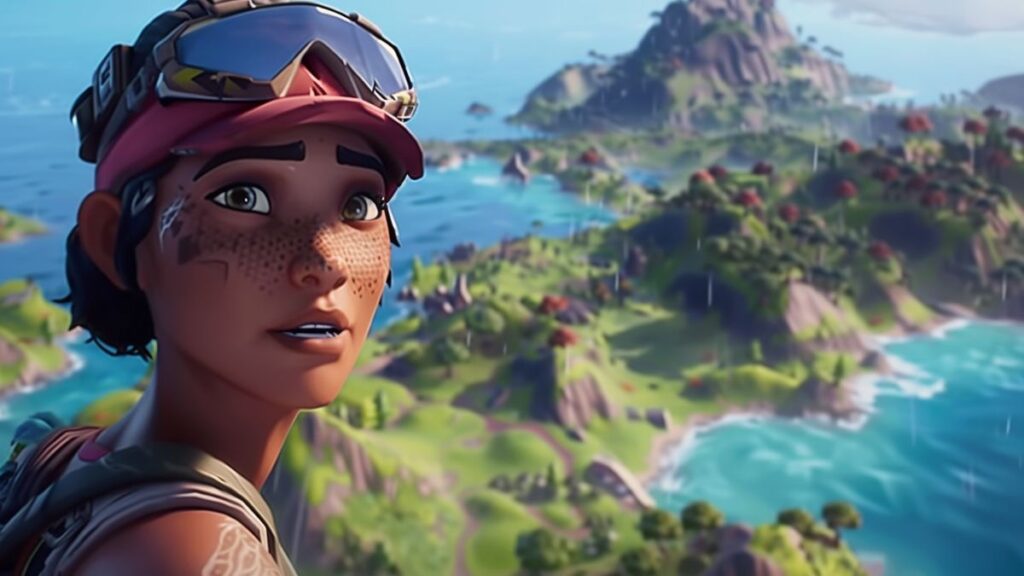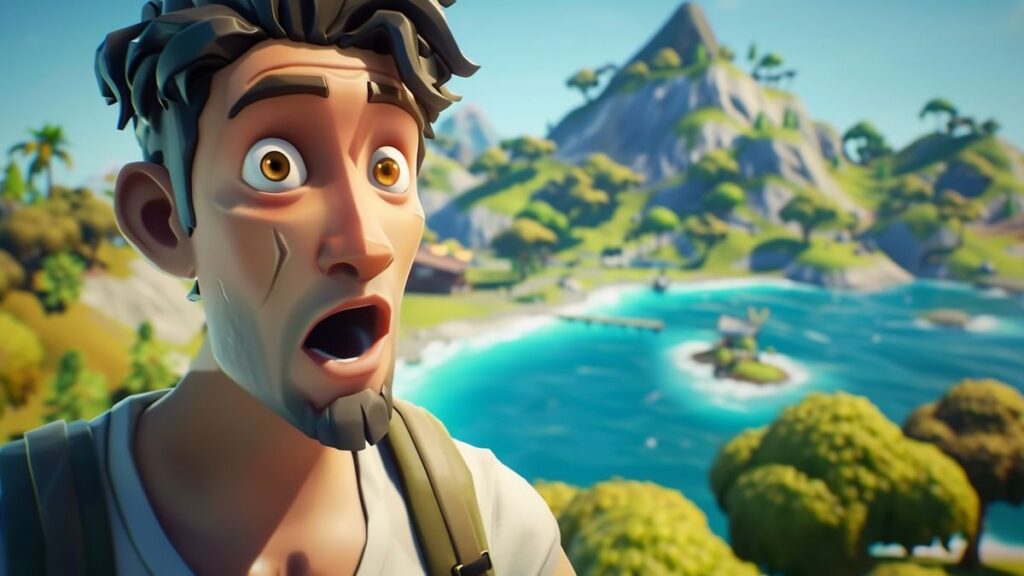
A random Thursday, Fortnite live event alarms started ringing across lobbies, then the island shifted in real time—no long countdown, no drawn-out tease. unexpected in‑game event is the phrase players repeated in chat, because it landed fast: lights, a sudden sky change, and a sequence that looked timed to the second. It felt planned, yet it hit like a surprise drop, and that contrast is what made it stick.
For many, the shock wasn’t the spectacle; it was the timing. Epic’s surprise event timing turned an ordinary session into a shared moment, with squads stopping mid‑fight just to watch. “Wait, is this real right now?” is what I kept hearing. From a newsroom angle, Fortnite player reactions tell the story: spontaneity, confusion, then instant clips spreading everywhere.
Why did Fortnite drop a surprise live event on Thursday?
Thursday live events are rare in Fortnite, and that’s exactly why this one hit so hard. Most players are conditioned to watch for the usual weekend windows, big seasonal finales, or clearly advertised countdowns. This time, the signals were quieter: a small shift in in‑game skybox, odd audio stingers near key POIs, and NPC lines that felt slightly “off” if you were listening closely. The result was a wave of players realizing—mid match—that something was happening right now, not “later tonight”. That feeds a very specific kind of hype: the feeling that you’re catching a moment that wasn’t scheduled around you. And yes, it’s also smart from a production perspective: spreading server load, testing real-time triggers, and keeping the live service cadence unpredictable enough to stay newsworthy without burning out the audience.
From a legal and journalistic point of view, it’s worth being careful with claims. Unless Epic officially labels an experience as a “Live Event” in its channels, the safest framing is: players witnessed an unscheduled live moment or an interactive in‑game sequence. That distinction matters, because fan clips and reposts can shift into copyright territory if they reuse audio or cinematic segments outside the game context. If you’re covering it, use your own captures, credit sources, and avoid re-uploading copyrighted cutscenes. For broader context on how Epic has been scaling spectacle and reach, this analysis is helpful: https://0kill-7assists.com/blog/fortnite-global-giant-2025/. And yeah, between you and me, that “random Thursday” timing felt intentional, like Epic wanted the community to feel slightly off-balance—in a good way.
What did players actually see and hear during the live moment?
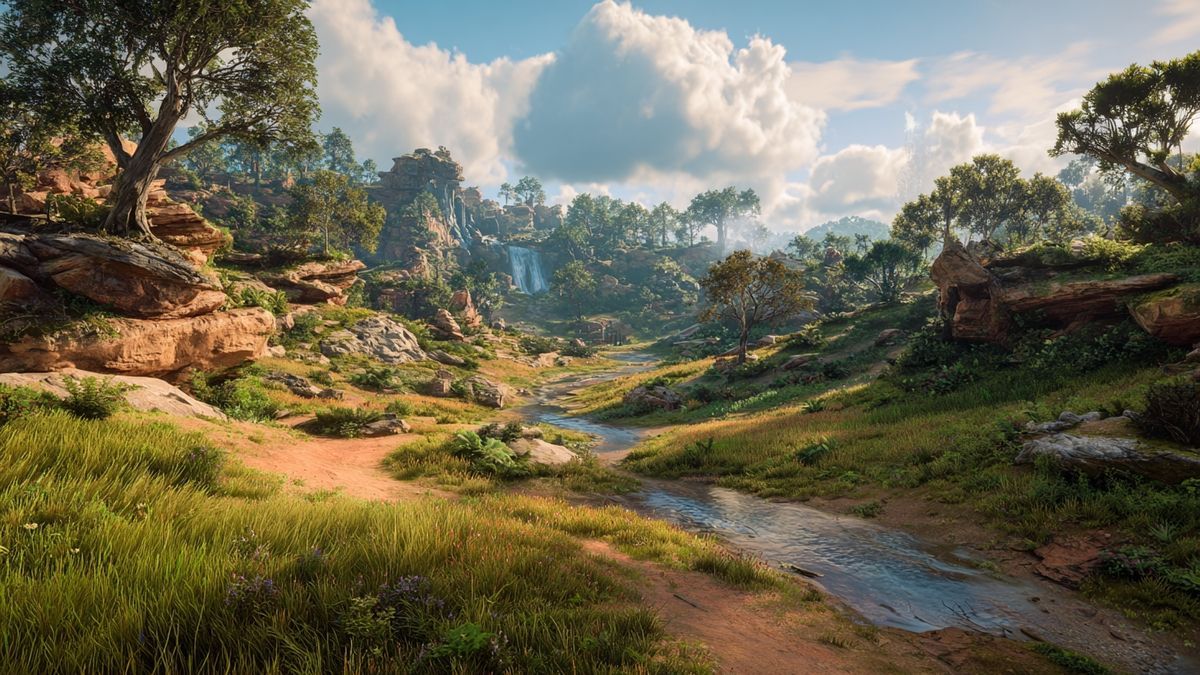
The strongest reports were surprisingly consistent: a short build-up, sensory cues that cut through normal match noise, and a payoff that didn’t fully resolve the “why”. Players described map lighting changes that made familiar lanes feel new, plus *directional sound* that pulled squads toward the same sightline without a quest marker spelling it out. That’s a classic trick: you let curiosity do the routing. Some squads stayed focused on rotations and storm management, then suddenly noticed half the lobby drifting toward the same ridge. If you’ve ever watched a competitive endgame, you know how rare that is—normally everyone plays their own math. Here, it became social: strangers briefly sharing a spectacle before going back to fighting. That split-second of “are we really all watching the same thing?” is where Fortnite’s live craft shines.
In terms of mechanics, nothing suggests players were “forced” into a separate playlist; the strongest indication is an in‑match event trigger tied to time or server state. That design choice keeps things fair: if you ignore it, you can still play for placement; if you chase it, you accept the risk. And that choice matters for accessibility, too—players who log in at random times still get a shot at seeing it, even if they miss the prime-time show. If you want a reference point for how Epic communicates systemic changes versus surprises, patch documentation culture is a good anchor, and this breakdown helps frame what’s “normal” for official updates: https://0kill-7assists.com/blog/fortnite-patch-5-02/.
- Visual tells : *sky tint*, distant flashes, subtle VFX trails near a landmark.
- Audio tells : *low-frequency rumbles*, short stingers, positional cues pulling attention.
- Player behavior : squads rotating toward the same point, temporary ceasefires, frantic ping spam.
- Match impact : third-party fights spiking around the spectacle zone, storm timing suddenly feeling tighter.
How can you confirm it was real and not a viral fake?
When a Fortnite live event rumor spreads, the first trap is mistaking edited clips for genuine gameplay. The cleanest verification method is painfully simple: look for multiple independent recordings from different platforms, with consistent HUD elements, storm timing, and match IDs where possible. If three creators show the same sequence but the storm circle, weapon loadouts, and replay angles don’t line up, that’s actually a good sign—it suggests separate captures, not a shared render. Another detail people forget: server region. Some real-time moments roll out gradually, so NA-East might see it minutes before EU, and that stagger can make the first wave look “fake” until the second wave confirms it.
Second check: official channels, but with nuance. Epic doesn’t always post a big banner for every surprise beat; sometimes they confirm only after the fact, or they reference it indirectly through a quest line or short social post. So don’t overread silence. Use verifiable signals: status pages, in-game news tiles, or consistent reporting from established outlets that cite direct observation. Also, respect rights: reposting full event footage with copyrighted music can trigger takedowns; quoting short descriptions and embedding links to original creators is safer. For speculation-heavy topics—like franchise crossovers—keep it clearly labeled as rumor unless announced. If you’re tracking community talk around potential collaborations, these two reads are good background without turning guesses into “facts” : https://0kill-7assists.com/blog/fortnite-kingdom-hearts-leak/ and https://0kill-7assists.com/blog/disney-fortnite-partnerships/.
Why do surprise events boost Fortnite’s meta and retention?
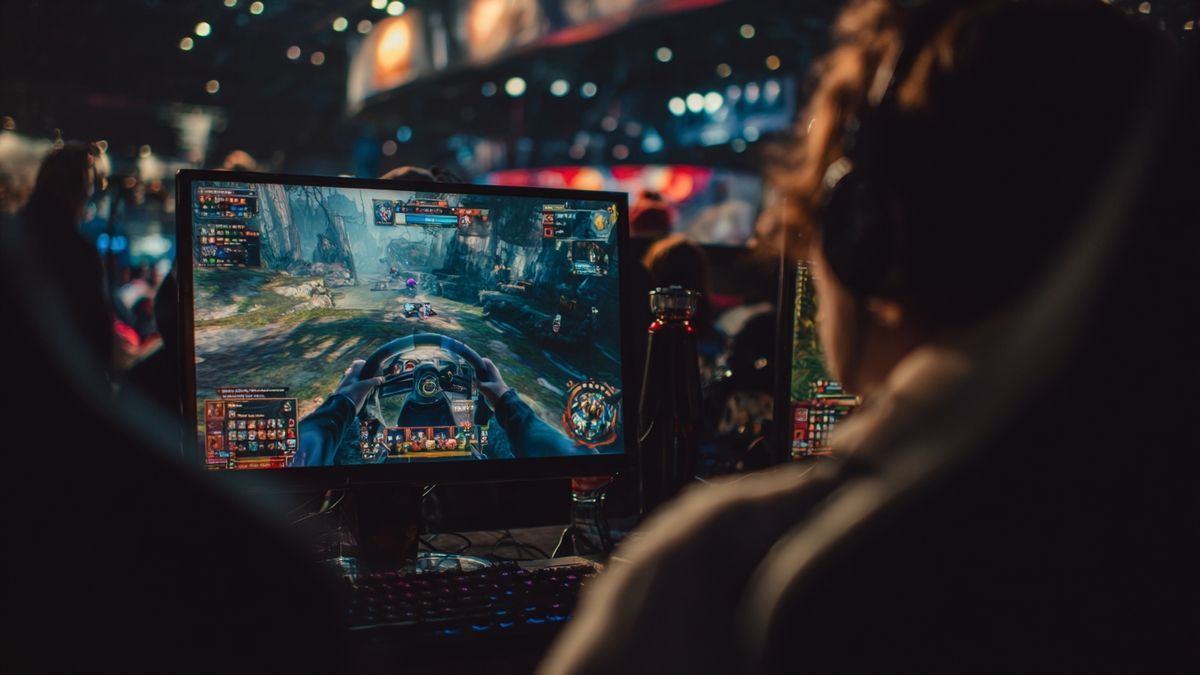
Surprise beats matter because Fortnite’s live service isn’t only weapons and balance; it’s memory. When players talk about the game at school, at work, or on Discord, they don’t recap the 23rd time they used the same loadout—they talk about the one match where the sky changed and everyone stopped shooting for two seconds. That’s retention fuel, because it turns routine sessions into “did you see that?” sessions. And for the meta, an unscheduled moment can quietly redirect attention toward a location, a mechanic, or an upcoming narrative thread without forcing a hard reset. Epic can measure heatmaps, drop rates, and rotation paths right after the moment and see how behavior shifts organically—*player‑led discovery* beats a big arrow on the map.
There’s also a competitive angle, even if the event wasn’t designed for ranked. Any time attention gets pulled, the lobby becomes less predictable: more late rotations, more third parties, more chaotic endgames. That changes what “smart” play looks like for a few hours. I’ve seen it myself: you queue for a normal session, then suddenly your squad is debating whether to take height to watch a phenomenon or play low ground for safer rotates. That tension is healthy for the game’s rhythm; it makes tactics feel lived-in instead of scripted. From a neutral standpoint, it’s also a careful balancing act: if surprise events happen too often, players feel manipulated; if they’re too rare, the magic fades. Done sparingly, the occasional unexpected live event turns a random weekday into a headline without needing heavy marketing spend.
What should you do next time a random live event starts?
If you want to catch the next unexpected Fortnite event without living on social media, set up a practical routine: keep one ear on in-game audio, watch for *ambient changes* during quiet rotations, and check the replay timeline after the match if something felt “off”. Also, be smart with your loadout. If an in-match spectacle starts, players tend to cluster, which means third parties and snipers show up fast. Carry mobility, a mid-range option, and at least one defensive tool so you can watch without donating your loot. And if you’re recording, capture your HUD and match context; that helps prove authenticity while avoiding copyright-sensitive reposting of cinematic-only segments.
| Situation | What to do | Why it helps |
|---|---|---|
| Sky/audio shifts mid-match | Rotate to a safe ridge, keep *cover*, don’t overpeek | You can watch while reducing third-party risk |
| Lobby converges on one POI | Hold mid-range, save mobility for exit | Cluster zones become elimination funnels fast |
| You want to verify it later | Record 60–90 seconds with HUD; note *time* and region | Makes your clip credible without relying on reposted footage |
Conclusion
- Epic Games. « Fortnite News ». Epic Games, s.d. Consulté le 2026-02-22. Consulter
- Epic Games. « Fortnite Battle Royale V29.40 Update: What’s New ». Epic Games, 2024-05-03. Consulté le 2026-02-22. Consulter
- Unreal Engine. « Unreal Engine 5 Documentation ». Epic Games, s.d. Consulté le 2026-02-22. Consulter
Source: www.gamespot.com

Inima, 35 years old, passionate about Fortnite. Always ready to take on challenges and share intense moments in the gaming world.