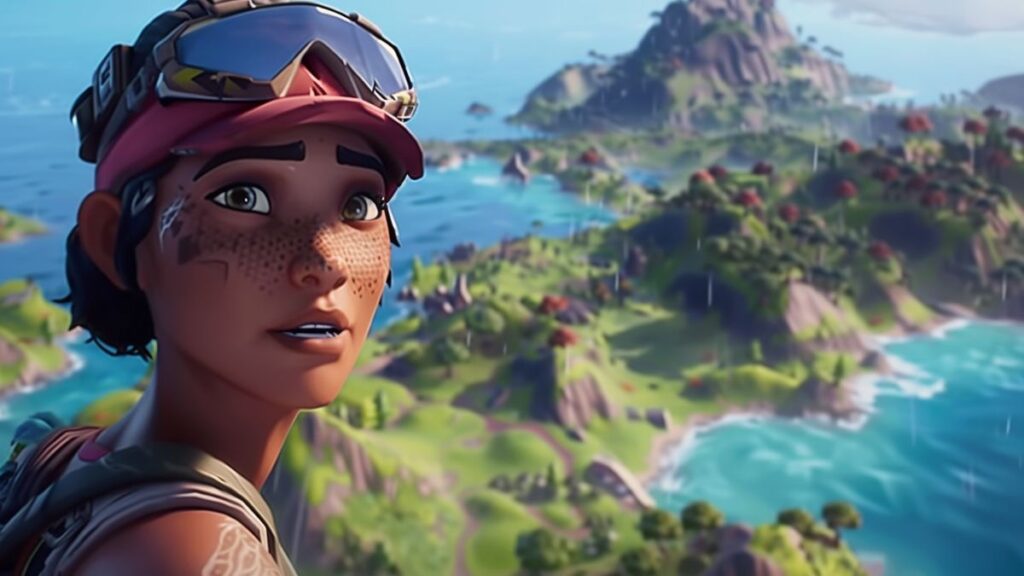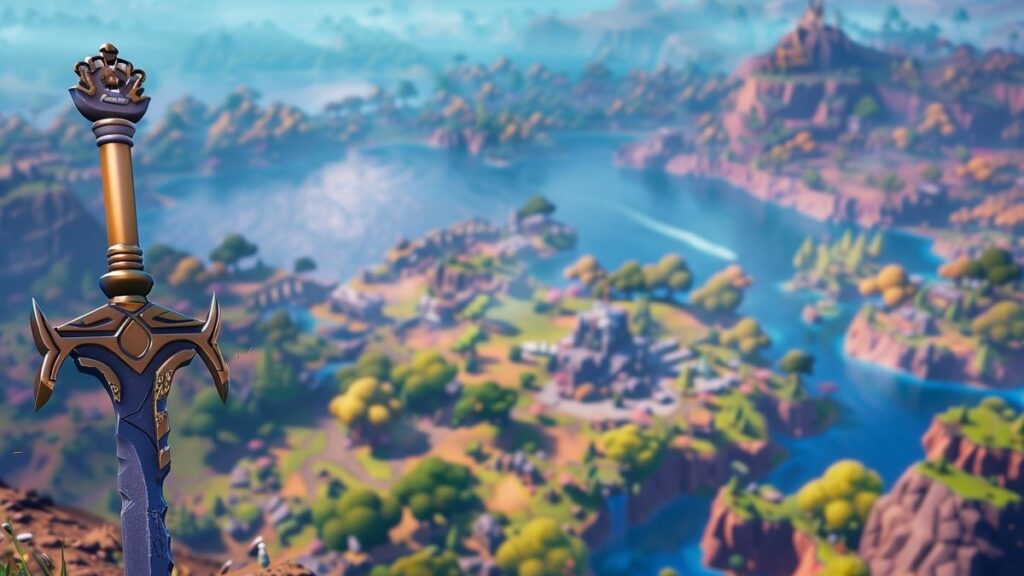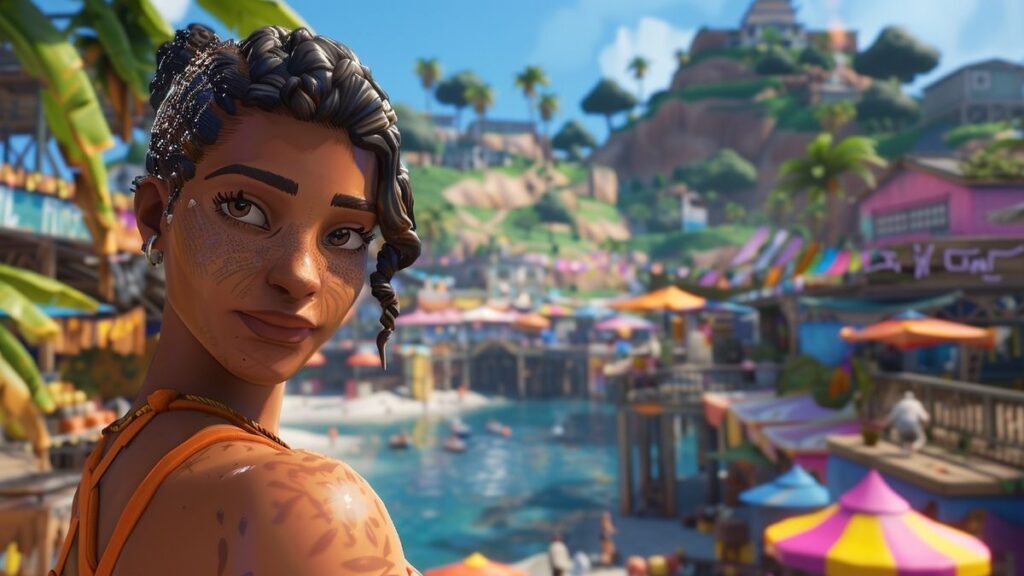
Typical Gamer is dropping Grand Heist City into Fortnite on March 14, and it’s built to scratch that GTA-style itch without pretending to be anything it isn’t. Think a mission-driven sandbox where open play, heists, and multiplayer chaos unfold inside a city that’s meant to feel busy and reactive. No long warm-up here, you spawn in, find your angle, and the city starts pushing back.
The map comes from JOGO Studios, backed by an Epic Mega Grant and created with KitBash3D, leaning hard into third-person action and living-city gameplay. Typical Gamer has talked openly about growing up on Rockstar titles, and you can feel that influence in the pitch: a big playground for players waiting on GTA 6, or anyone watching their budget. JOGO is also testing in-game purchases here, betting that depth keeps people around.
What is “Grand Heist City” and when does it launch in Fortnite?
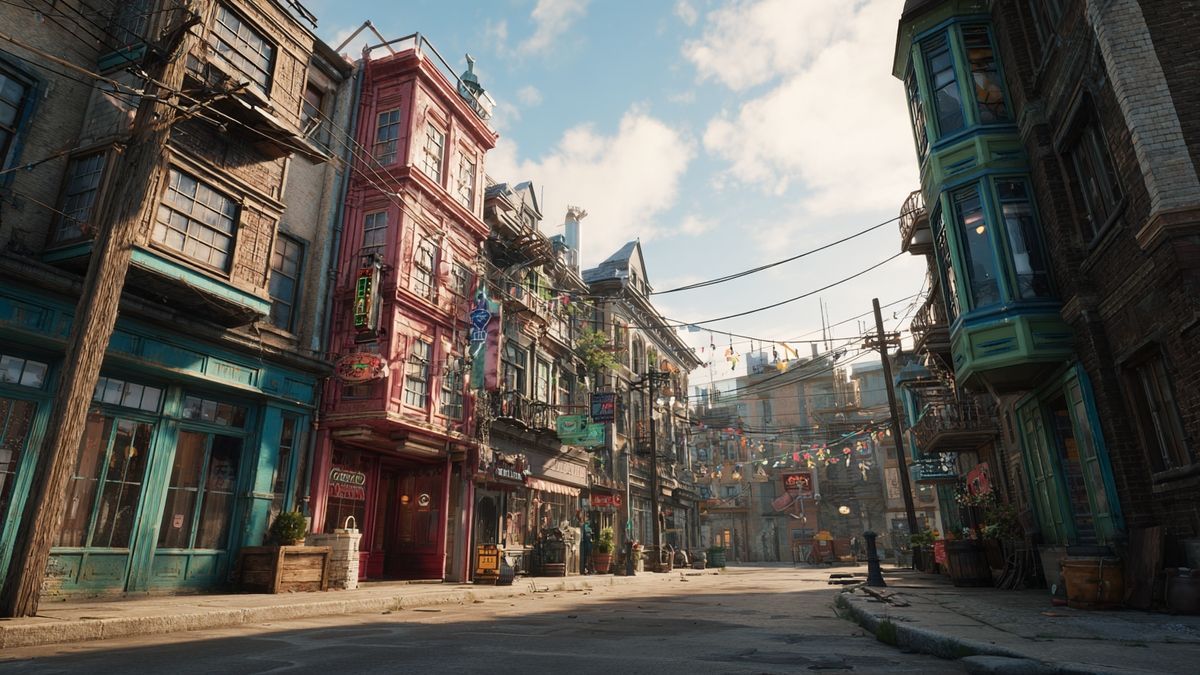
Grand Heist City is a new mission-driven sandbox built for Fortnite that leans into the hectic, freeform spirit people associate with open-world crime games, without copying any specific storyline or characters. It’s being released on March 14 inside Epic’s ecosystem, and it’s presented as the biggest project so far from JOGO Studios, the creator-led company founded by André “Typical Gamer” Rebelo. The pitch is straightforward : a living city where players can mess around, take on heists, and stir up multiplayer chaos that feels closer to a “city sandbox” than a traditional round-based map. If you’ve spent years bouncing between Fortnite Creative maps, you’ll probably recognize the ambition here : it aims for scale, repeatable activities, and that “one more run” energy that comes from systems, not just set dressing.
Timing matters too. Interest around Rockstar’s next entry, Grand Theft Auto VI, is already high ahead of its currently announced November 2026 window. “Grand Heist City” is clearly positioned as something for players who want that open-play heist fantasy inside Fortnite while they wait, or for anyone who likes the genre but doesn’t want to spend premium game money. Rebelo has also been candid about where he comes from : he grew up on Grand Theft Auto and started his streaming path making tutorial content around another Rockstar series, Red Dead Redemption. That background shows in the direction : third-person action, big spaces, and gameplay that rewards curiosity and improvisation. If you’re tracking how Fortnite gaming crossovers keep influencing Creative work, you can skim this overview for more context : https://0kill-7assists.com/blog/fortnite-gaming-crossovers/
How does Typical Gamer bring GTA-style chaos to UEFN?
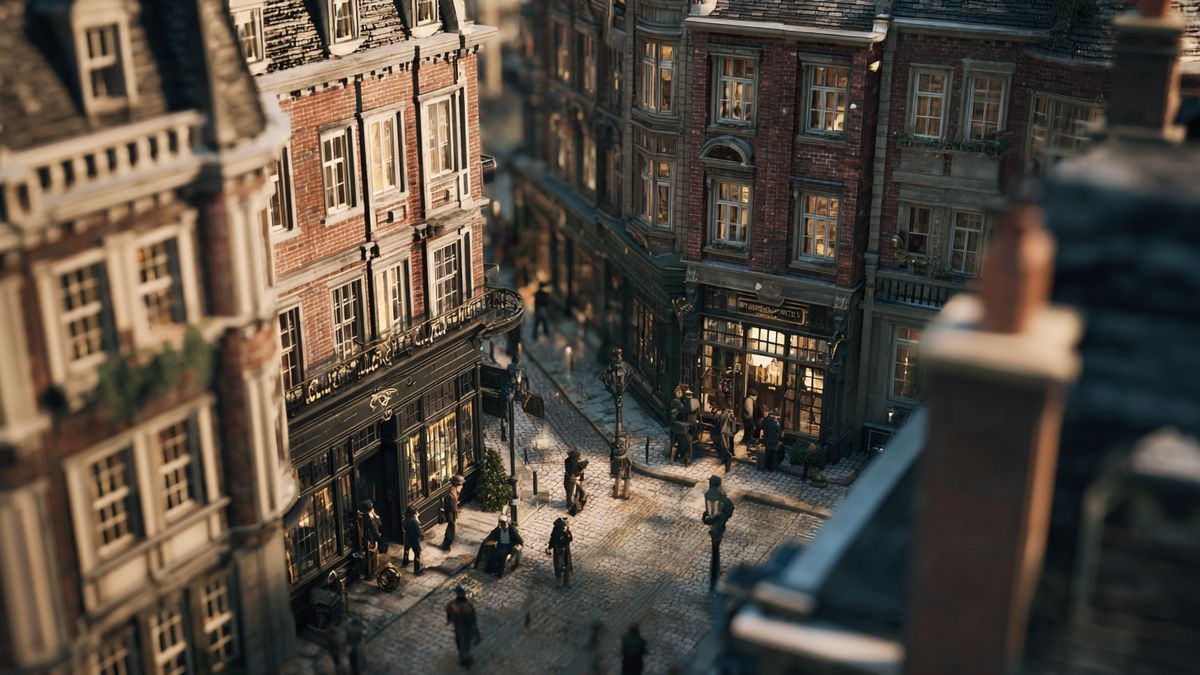
What makes this interesting isn’t “Fortnite but GTA”, because that’s not what’s being shipped. The real story is how UEFN (Unreal Editor for Fortnite) is being used to build a city-scale playground that supports improvisation : heists, open play, and the kind of multiplayer mayhem that comes from players colliding with each other’s plans. Rebelo has talked about the practical headaches too : memory limits, performance trade-offs, and the constant push-and-pull between detailed environments and gameplay readability. Anyone who has tried to publish larger islands in Creative knows the feeling : you place one more big structure, and suddenly you’re budgeting memory like you’re balancing your rent.
On the design side, the “chaotic energy” angle is usually delivered through overlapping systems : objectives that can be tackled in different orders, spaces with multiple entry points, and tools that let squads improvise when things go sideways. In a city map, that often means readable districts, quick traversal routes, and landmarks that can serve as meeting points or ambush zones. The communication around Grand Heist City suggests a living city built to keep matches fresh, rather than a single linear mission path. That’s a big deal for retention, because players don’t stick around for pretty skylines alone ; they stay when the map supports different playstyles and skill levels in the same session.
- Open play loops that keep the city active even when you’re not on a mission
- Heist-friendly spaces with multiple approaches, not one “correct” route
- Multiplayer friction : the map encourages run-ins, chases, and unpredictable alliances
- Readable districts so new players can navigate without feeling lost
Who built Grand Heist City, and why does it look so big?
“Grand Heist City” wasn’t made in a vacuum. It was developed by JOGO Studios in collaboration with KitBash3D, and JOGO also received funding through an Epic Games MegaGrant. That mix matters, because high-scale Creative projects often hit a ceiling where time, tooling, and asset production become the bottleneck. KitBash3D is known for large environment kits and has previously worked with Epic on large UEFN asset work tied to major IP collaborations, including The Walking Dead and Teenage Mutant Ninja Turtles. This time, it’s described as KitBash3D’s first partnership with a UEFN studio, which gives you a hint of where creator economies are heading : outside specialists teaming up with Creative-first teams to deliver builds that used to require much larger internal staff.
From a player standpoint, “looks big” is only half the battle. The other half is whether it plays clean. A city can be gorgeous and still feel stiff if it doesn’t support movement, sightlines, combat flow, and mission pacing. KitBash3D’s leadership described the result as a city that “feels alive” and supports gameplay at multiple skill levels, with polish that would have been hard without this kind of collaboration. That lines up with what long-time Fortnite players tend to reward : maps that don’t just show off assets, but actually respect how people fight, rotate, and regroup. When a city island nails that, you get organic moments : squads improvising getaways, solos turning a bad heist into a lucky escape, and those “wait, did that just happen ?” stories you end up retelling later.
If you’ve watched Fortnite’s collaboration culture expand from skins into full experiences, this fits the trajectory. Big themed drops have trained players to expect higher production values, whether it’s card-game fun like the Fortnite UNO crossover (worth a peek here : https://0kill-7assists.com/blog/fortnite-uno-crossover/) or full-on franchise moments such as the Game of Thrones tie-ins discussed here : https://0kill-7assists.com/blog/game-thrones-fortnite/ In that context, a creator-led city sandbox backed by serious environment talent feels like the next logical step.
Will Grand Heist City include microtransactions and UEFN payouts?
Yes, and that’s one of the most newsy angles. With “Grand Heist City”, JOGO Studios plans to offer in-game purchases for the first time. This isn’t about pay-to-win promises ; it’s about testing monetization inside a high-effort UEFN experience at a moment when the ecosystem looks financially real. Epic has said UEFN payouts have surpassed $700 million, and JOGO’s leadership is essentially signaling that the market has reached a point where a microtransaction model can be tried without feeling premature. JOGO also launched in May 2024 with a stated plan to invest over $2 million into Unreal Engine development for Fortnite, so “Grand Heist City” is being treated as a flagship where that investment meets a business experiment.
There’s also an unusual creator-economy detail in the way it’s framed. JOGO’s COO, Chad Mustard, pointed out that in-island spending is currently paid out to creators, and that microtransactions only make sense when the map builds loyalty, not just short-term clicks. It’s a blunt statement, and honestly, it rings true if you’ve played enough Creative maps : many grab attention for five minutes, then you bounce. A city sandbox with missions has a better shot at repeat sessions, which is where spending typically happens in ethical, entertainment-driven models. He also referenced how other UGC ecosystems, like Roblox, have already crossed $1 billion in creator payouts, suggesting JOGO is thinking beyond one map and more about long-term UGC expansion.
How can players get ready and find extra Fortnite rewards?
If your plan is to jump in on day one, preparation is mostly practical : clear storage space for updates, make sure your settings are stable (especially if you’re on older hardware), and squad up with friends who enjoy objectives, not just elimination farming. Mission-based sandboxes tend to feel better when someone is calling audibles : “You watch the alley, I’ll grab the objective”, that kind of thing. For players who like tracking the broader Fortnite roadmap, it also helps to keep an eye on major season shifts and platform changes, because those can influence Creative discovery and performance. A quick read on what’s being discussed around Fortnite Chapter 7 is here : https://0kill-7assists.com/blog/fortnite-chapter-7-release/
On the “extra rewards” front, a lot of players ask the same question : “Can I gear up without spending ?” The honest answer is that it depends on what Epic is offering at a given moment, but there are still legit ways to watch for free Fortnite cosmetics through official promos, events, and platform-linked drops. If you like keeping a running list, this resource rounds up common avenues : https://0kill-7assists.com/blog/free-fortnite-cosmetics/ Just keep your expectations grounded : freebies come and go, and anything that asks for your password or “verification fees” is a hard no.
| What to prep | Why it matters for Grand Heist City | Quick tip |
|---|---|---|
| Audio and spatial cues | City maps reward hearing footsteps, vehicles, and fights nearby | Lower music, raise SFX, test in a busy Creative hub |
| Keybinds and movement comfort | Heists often need fast interactions under pressure | Rebind interact to something you never miss |
| Squad roles (lead, scout, support) | Mission sandboxes get messy fast without a loose plan | Call roles in the lobby, switch if it’s not working |
Conclusion
Typical Gamer’s new Fortnite map, Grand Heist City, feels like a confident nod to GTA-style chaos without borrowing anyone’s story or characters. Built as a mission-driven sandbox, it leans on open play, heists, and multiplayer mischief inside a city that’s meant to feel “alive”. Honestly, that’s the hook: a big, shared space where matches can turn into moments worth clipping.
Behind the scenes, JOGO Studios’ scale, supported by an Epic MegaGrant and collaboration with KitBash3D, signals how far UEFN creator projects have come. With in-island purchases rolling out, the bet is clear: earn loyalty through depth, not flash. If you’re waiting on the next major open-world release, this is a smart stopgap, straight-up.
Sources
- Variety. « Typical Gamer Brings ‘GTA’ Vibes to Fortnite With ‘Grand Heist City’ Map Launching March 14 ». Variety, 2025-03-06. Consulté le 2026-03-06. Consulter
- Epic Games. « Epic MegaGrants ». Epic Games, s.d. Consulté le 2026-03-06. Consulter
- Epic Games. « Fortnite Island Creator Program ». Epic Games, s.d. Consulté le 2026-03-06. Consulter
- Epic Games. « Unreal Editor for Fortnite (UEFN) Documentation ». Epic Games, s.d. Consulté le 2026-03-06. Consulter
- KitBash3D. « KitBash3D ». KitBash3D, s.d. Consulté le 2026-03-06. Consulter
Source: tech.yahoo.com

Inima, 35 years old, passionate about Fortnite. Always ready to take on challenges and share intense moments in the gaming world.