Fortnite’s battle royale is feeling real pressure: softer playtime, pricier V-Bucks, and a market that’s flirting with extraction shooters. “You can feel the mood shift”, even if the game still towers in reach and brand heat. The bigger point isn’t drama, it’s momentum: live-service shooters are fighting for attention, dollars, and time, all at once, and the old playbook isn’t landing the same way.
Over at PUBG: Battlegrounds, leadership is betting the battle royale genre still has runway, pushed by distinct gameplay loops and a platform-style mix of modes and partnerships. The message is simple and pretty blunt: these games win when they stay varied, keep big lobbies full, and give communities reasons to come back, week after week.
Why is Fortnite under pressure while new shooter trends climb?
Fortnite still sits near the top of the live-service shooter pile, but the vibe around it has shifted. Player time looks softer than it was during its peak eras, and Epic has openly navigated cost pressures, including notable staffing reductions that were widely reported across the industry. If you want the dry, factual context, these two breakdowns track what happened and why it mattered for the company’s pipeline and teams : Epic Games job cuts (report) and Epic Games job cuts (follow-up). None of that means Fortnite is “done”, far from it, but it does explain why people are asking harder questions about what comes next for battle royale as a category.
At the same time, the shooter conversation is drifting toward extraction shooters and other formats that promise higher tension and stronger session-to-session stakes. When friends ask me what changed, I usually say it’s the mood : players want a reason to care about every match beyond XP bars. And yeah, Fortnite still nails spectacle, but spectacle costs money, and audiences have endless options now. Even within Fortnite itself, the “game” is increasingly a content platform full of modes, events, and community spaces, which is awesome when it lands and awkward when it feels scattered. If you track cosmetics and hype cycles, limited drops and collabs can spike attention, but they can’t replace long-term retention on their own. For people who follow that side closely, this guide to Fortnite exclusive skins is a good snapshot of how scarcity and branding have become part of the engagement playbook.
So the pressure isn’t one single thing. It’s engagement competition, shifting tastes, and the reality that even giant games have to keep earning their minutes. That’s why comments from PUBG leadership about “room to grow” land the way they do : it’s a calm counterpoint to a market that’s acting restless.
What did PUBG’s leadership mean by “room to grow”?
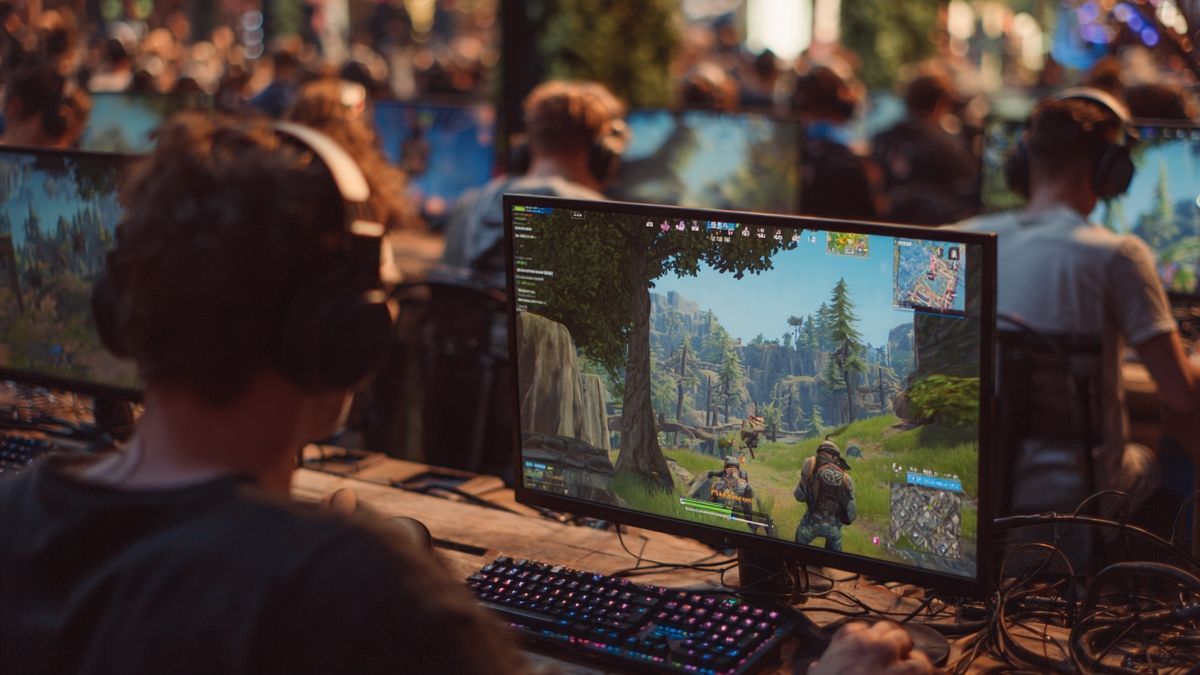
PUBG’s franchise leadership has been pretty consistent on one point : battle royale gameplay still has headroom, even after years of genre saturation. The argument is straightforward : BR can host a huge player pool, sessions are repeatable, and the core loop stays readable even when you layer in events and alternative modes. In recent interviews, Krafton’s PUBG decision-makers framed the genre as having matured into its own lane, where shooting is only one part of the broader experience. That framing matters, because it implicitly positions PUBG less as “a shooter” and more as a socially sticky service that can keep rotating reasons to log in.
There’s also a numbers angle that’s easy to miss if you only hear memes about “old PUBG”. Krafton has pointed to very strong concurrency at times, including a reported peak above 1.34 million concurrent players in March (reported by industry coverage referencing Steam concurrency). That doesn’t automatically translate to dominance everywhere, but it does support their confidence that the product is not merely coasting. When I hear “room to get more growth”, I read it as a bet on two levers : keeping the base loop familiar, while widening the definition of what “PUBG content” can be across modes, partnerships, and media. There’s nothing magical about that strategy, but it’s grounded in what has worked for major live services : frequent refreshes without breaking the identity.
- Scale : BR formats can absorb big waves of returning players without redesigning the whole game.
- Variety : rotating modes and events keep the same map knowledge feeling fresh.
- Identity : PUBG leans into a more grounded tone, which differentiates it inside the battle royale market.
- Licensing upside : brand deals and media projects can extend reach beyond the core audience.
Are collaborations helping or hurting battle royale ecosystems?
Collaborations are a double-edged tool for any battle royale ecosystem. When they hit, they bring lapsed players back, generate creator coverage, and give existing fans something to talk about besides balance patches. When they miss, they can feel like marketing papering over gameplay fatigue. PUBG has leaned into high-profile partnerships, and Fortnite basically pioneered the modern playbook for in-game events and licensed crossovers on a massive scale. The real change is that collabs aren’t side dishes anymore; they’re part of the business model, tied to cosmetics, item shops, and seasonal beats.
On the Fortnite side, you can literally watch how licensing shapes conversation. One week it’s a trending meme item, another week it’s a full-on entertainment crossover. Here’s a good example of how that chatter works in practice, with a breakdown tied to a major IP rumor cycle and community expectations : Game of Thrones x Fortnite coverage. And sometimes the “collab” energy isn’t about a brand at all, it’s about a moment that spreads fast through social feeds. If you’ve seen the latest wave of oddball Fortnite references, this write-up captures that internet-fueled side : Tung Tung Tung Fortnite trend.
Where I land, personally, is this : collaborations work best when they respect the core gameplay loop. Players forgive a lot if matches still feel fair, readable, and rewarding. If the shop gets louder than the gameplay, resentment builds quickly, and you’ll hear it in voice chat in about five minutes. For PUBG, the safer play is keeping its more tactical identity while letting partnerships add flavor rather than redefine the whole product. For Fortnite, the challenge is different : it’s already a platform-style live service, so it must keep the creative surface area huge without losing the reasons that made people queue up in the first place.
Is battle royale becoming a platform with UGC and many modes?

Yes, and it’s happening in plain sight. What used to be “queue, drop, loot, fight” is now often “queue into a universe” where battle royale is only one of several options. Fortnite made that approach feel normal : user-generated content, creator-made islands, rotating experiences, and a steady drumbeat of limited-time modes. PUBG leadership has signaled interest in that direction too, talking about a platform model that borrows from the Fortnite-and-Roblox playbook, while still hanging onto PUBG’s signature pacing and gunfeel. That’s not copying for the sake of copying; it’s a recognition that modern audiences don’t just want one activity forever, even inside a single game.
This platform shift also changes what “competition” means. Krafton’s public tone has leaned respectful toward rivals, framing the market less as winner-takes-all and more as several big communities coexisting. That lines up with what I see day-to-day: players rotate. They’re loyal to friend groups and vibes, not logos. If Warzone has a strong season, people drift there. If Fortnite drops a wild new mode, they’re back. If PUBG nails tuning and matchmaking, a chunk of the tactical crowd returns. That rotation is exactly why leaders talk about fandom and long-term service rather than just raw shooter mechanics. The product is not only the gunplay; it’s the calendar, the creator ecosystem, and the feeling that something’s always happening.
There’s a business reality too. Platform games can monetize across multiple surfaces : cosmetics, passes, creator items, partnerships. That can fund bigger updates, but it can also raise community tensions around pricing and value. And with disposable income tighter for many players, live services have to be careful not to overreach. Still, as a model, BR-as-a-platform is hard to argue with, because it reduces the risk of boredom. If the main mode feels stale on a given week, players can bounce to another playlist without leaving the app, which is exactly what publishers want.
Which signals will show the next big shift in battle royale?
Watch three areas: player time, content cadence, and where the genre’s energy moves next. If extraction shooters keep pulling attention, BR studios will respond by raising stakes inside matches, tightening progression, or building hybrid modes that borrow tension without dumping accessibility. If UGC keeps growing, expect more creator tooling, smarter discovery systems, and better revenue shares, because creators follow incentives. One more thing people overlook: stability and anti-cheat. Quiet improvements there can lift retention more than any flashy crossover, because nobody sticks around if the lobby feels sketchy.
| Signal to watch | What it indicates | Why it matters |
|---|---|---|
| Playtime trend by season | Whether updates translate into retained sessions | Shows real live-service health, beyond social buzz |
| Mode diversity and UGC adoption | Shift from “one main queue” to platform behavior | Predicts who wins the content flywheel |
| Competitive sentiment (anti-cheat, matchmaking) | How fair and consistent matches feel | Directly impacts return rate and squad loyalty |
Conclusion
Fortnite is still a mass-scale live-service, but the last year shows real pressure: playtime softness, louder competition, and players watching V-Bucks pricing more closely. Honestly, that mix can change daily habits fast, especially when new shooters look fresher and streamers move on.
PUBG’s leadership is betting the genre keeps growing through distinct gameplay identity, steadier community fandom, and broader UGC-style platforms mixed with brand tie-ins. If battle royale stays a “place to be”, not just a match queue, both titles can still pull new audiences. Still, growth will likely come from sharper modes, fairer economies, and updates that feel worth your time, point blank.
Sources
- Eurogamer. « PUBG’s boss on battle royale’s future, Fortnite’s “metaverse” model, and “room to get more growth” ». Eurogamer, s.d. Consulté le 2026-04-09. Consulter
- Epic Games. « Fortnite News ». Epic Games, s.d. Consulté le 2026-04-09. Consulter
- KRAFTON. « KRAFTON – Newsroom ». KRAFTON, s.d. Consulté le 2026-04-09. Consulter
- SteamDB. « PUBG: BATTLEGROUNDS – Steam Charts ». SteamDB, s.d. Consulté le 2026-04-09. Consulter
Source: www.eurogamer.net

Inima, 35 years old, passionate about Fortnite. Always ready to take on challenges and share intense moments in the gaming world.